Wormwood Complex for Parasites: Dosage, Benefits, and Side Effects
Last reviewed: 2026-03-19
Medical Disclaimer
This content is for informational purposes only and does not constitute medical advice. Consult a qualified healthcare provider before starting any treatment, supplement, or cleanse program. If you suspect a parasitic infection, seek professional medical diagnosis.
The three-herb combination of wormwood, black walnut hull, and cloves is the most widely used herbal parasite protocol in the world. It was popularized by Dr. Hulda Clark in the 1990s, and while Clark's broader claims were controversial, the individual herbs in this combination have legitimate scientific backing.
Here is what each herb does, how to dose them properly, and what to watch out for.
The Three Herbs and Their Mechanisms
Wormwood (Artemisia absinthium)
Wormwood is the cornerstone of the protocol. Its primary role: killing adult parasites.
The key active compounds are absinthin, artabsin, and sesquiterpene lactones. A 2018 study published in Phytomedicine found that Artemisia absinthium extract demonstrated anthelmintic activity against Hymenolepis nana (dwarf tapeworm) comparable to praziquantel — the pharmaceutical standard. The extract caused significant mortality in adult worms in a dose-dependent manner.
A 2020 review of wormwood's bioactive compounds confirmed broad-spectrum antiparasitic, antibacterial, and antifungal activity. The sesquiterpene lactones in wormwood disrupt parasite energy metabolism and cell membrane integrity.
Wormwood also stimulates bile production and gastric acid secretion, creating a more hostile digestive environment for parasites. The intense bitterness is not a flaw — bitter compounds trigger the digestive cascade that parasites prefer to avoid.
Black Walnut Hull (Juglans nigra)
Black walnut targets the intermediate stage: larvae and juvenile parasites.
The primary active compound is juglone, a naphthoquinone that disrupts parasite cellular respiration. A 2022 study showed juglone achieved a 63% reduction in Schistosoma worm burden in animal models. Juglone also has broad-spectrum antimicrobial activity against bacteria, fungi, and protozoa.
The green (unripe) hull contains the highest juglone concentration. Once the hull turns black and dries, juglone content decreases significantly. This is why quality black walnut products specify "green hull" — it matters.
Tannins in black walnut also contribute to its antiparasitic effect by precipitating proteins in parasite tissues and creating an astringent environment in the gut.
Cloves (Syzygium aromaticum)
Cloves complete the lifecycle coverage: they target parasite eggs.
Eugenol, the primary active compound in cloves, has documented ability to kill parasite eggs — something most antiparasitic agents cannot do. Without cloves (or another ovicidal agent), a parasite cleanse may kill adult worms but leave thousands of eggs intact, leading to reinfection within weeks.
Eugenol also has broad antimicrobial activity. Research has demonstrated its effectiveness against various pathogenic organisms, and it enhances the gut's overall hostile environment for parasites.
Why This Combination Works
The logic is elegant: each herb targets a different lifecycle stage.
| Stage | Herb | Mechanism |
|---|---|---|
| Adult parasites | Wormwood | Disrupts energy metabolism, kills adults |
| Larvae and juveniles | Black walnut hull | Juglone disrupts cellular respiration |
| Eggs | Cloves | Eugenol kills eggs, prevents reinfection |
A single-herb protocol inevitably misses lifecycle stages. Killing adults but leaving eggs means reinfection in 2-4 weeks. Killing eggs but not adults means the current infection continues. The three-herb approach addresses all stages simultaneously.
Dosage Protocol
The following is a common protocol used by herbalists and naturopathic practitioners. It is not the only valid protocol, but it provides a reasonable framework.
Week 1: Building Up (Start Low)
| Herb | Day 1-2 | Day 3-4 | Day 5-7 |
|---|---|---|---|
| Wormwood capsules (200 mg) | 1 capsule, once daily | 1 capsule, twice daily | 2 capsules, twice daily |
| Black walnut tincture | 5 drops in water, once daily | 10 drops, once daily | 15-20 drops, twice daily |
| Clove capsules (500 mg) | 1 capsule, once daily | 1 capsule, twice daily | 1 capsule, three times daily |
Weeks 2-3: Full Dose
| Herb | Dose | Timing |
|---|---|---|
| Wormwood capsules (200 mg) | 2 capsules | Twice daily, before meals |
| Black walnut tincture | 20 drops (or 1-2 capsules) | Twice daily, before meals |
| Clove capsules (500 mg) | 1-2 capsules | Three times daily, before meals |
Week 4: Maintain or Cycle Off
Option A: Continue full dose for a fourth week if symptoms are still improving.
Option B: Take a 1-week break, then repeat weeks 2-3 for another 2 weeks. This cycling approach targets parasites that were in egg form during the first round and have since hatched.
Important Timing Notes
- Take all herbs on an empty stomach, 30 minutes before meals. This maximizes absorption and contact with gut parasites.
- Take liver support (milk thistle, dandelion root) with meals, separately from the antiparasitic herbs.
- Take binders (activated charcoal, bentonite clay) between meals, at least 2 hours from herbs. Binders absorb everything — including your antiparasitic compounds.
The Hulda Clark Protocol: What She Got Right and Wrong
Dr. Hulda Clark popularized the wormwood-walnut-clove combination in her 1993 book The Cure for All Diseases. Her protocol brought attention to herbal antiparasitics at a time when conventional medicine largely dismissed natural approaches.
What she got right: The three-herb lifecycle targeting. The concept of attacking adult parasites, larvae, and eggs simultaneously is pharmacologically sound and remains the foundation of most herbal antiparasitic protocols today.
What she got wrong: Clark made sweeping claims that parasites caused cancer and that her protocol could cure all diseases. These claims were never substantiated by clinical evidence and were rejected by the medical and scientific community. Her broader theories should not be confused with the legitimate antiparasitic properties of the individual herbs, which are supported by peer-reviewed research.
The takeaway: Use the three-herb combination for what it demonstrably does — support the body in addressing intestinal parasites. Do not expect it to cure unrelated conditions.
Side Effects and Safety
Common Side Effects
- Digestive upset: Nausea, cramping, loose stools. Most common in the first 3-5 days. Usually related to die-off rather than herb intolerance.
- Die-off symptoms: Headache, fatigue, brain fog, skin breakouts. See our die-off guide for management strategies.
- Bitter taste: Wormwood is extremely bitter. Capsules avoid this issue. Tinctures can be mixed with juice.
Serious Side Effects (Dose-Related)
- Thujone neurotoxicity: Wormwood contains thujone, a compound that is neurotoxic at high doses. Symptoms include tremors, seizures, and confusion. This is why dosage limits and duration limits (maximum 4 consecutive weeks) exist. At recommended doses, thujone levels are well below toxic thresholds.
- Liver stress: All three herbs are processed by the liver. Taking them alongside liver-supportive herbs (milk thistle, dandelion root) is not optional — it is essential.
- GI irritation: Black walnut tannins can irritate the stomach lining in sensitive individuals. If burning or significant nausea occurs, take with a small amount of food.
For more on specific side effects, see our section on black walnut and wormwood side effects.
Who Should NOT Take This Protocol
- Pregnant or nursing women: Wormwood may stimulate uterine contractions. All three herbs lack safety data in pregnancy. See our guide on parasite cleansing during pregnancy.
- Children under 12: Dose safety not established. For children, gentler approaches like pumpkin seeds and papaya seeds are preferred.
- People on blood thinners: Cloves and black walnut may increase bleeding risk.
- People with seizure disorders: Thujone in wormwood may lower seizure threshold.
- People with liver or kidney disease: These herbs require functional liver and kidney processing.
- People taking prescription medications: Multiple drug interactions are possible. Consult your pharmacist or doctor.
Complementary Foods to Add
The herbal protocol is the foundation. These antiparasitic foods strengthen the effect:
- Raw garlic: 2-3 crushed cloves daily. Allicin adds another antimicrobial mechanism.
- Raw pumpkin seeds: 1/4 cup daily. Cucurbitacin paralyzes worms — complementary to the kill mechanism of wormwood.
- Papaya seeds: 1 tablespoon ground, in honey. Papain digests parasite cuticles.
- Fresh pineapple: Bromelain adds another protease enzyme to the mix.
- Fermented vegetables: Support microbiome recovery as parasites are cleared.
When to See a Doctor
The wormwood complex is a traditional herbal protocol, not a medical treatment. See a healthcare provider if:
- You have confirmed parasitic infection and want to combine herbs with prescription treatment
- Symptoms include blood in stool, significant weight loss, high fever, or severe abdominal pain
- Side effects are severe or include neurological symptoms (tremors, confusion, seizures)
- You are taking prescription medications that may interact with these herbs
- Symptoms do not improve after 4 weeks of consistent protocol
The CDC recommends prescription antiparasitic medications for confirmed infections. Herbal protocols work best as complementary support alongside — not instead of — medical care.
This article is for informational purposes only and does not constitute medical advice. Always consult a qualified healthcare provider before starting any cleanse protocol, especially if you are pregnant, nursing, taking medications, or have a pre-existing health condition.
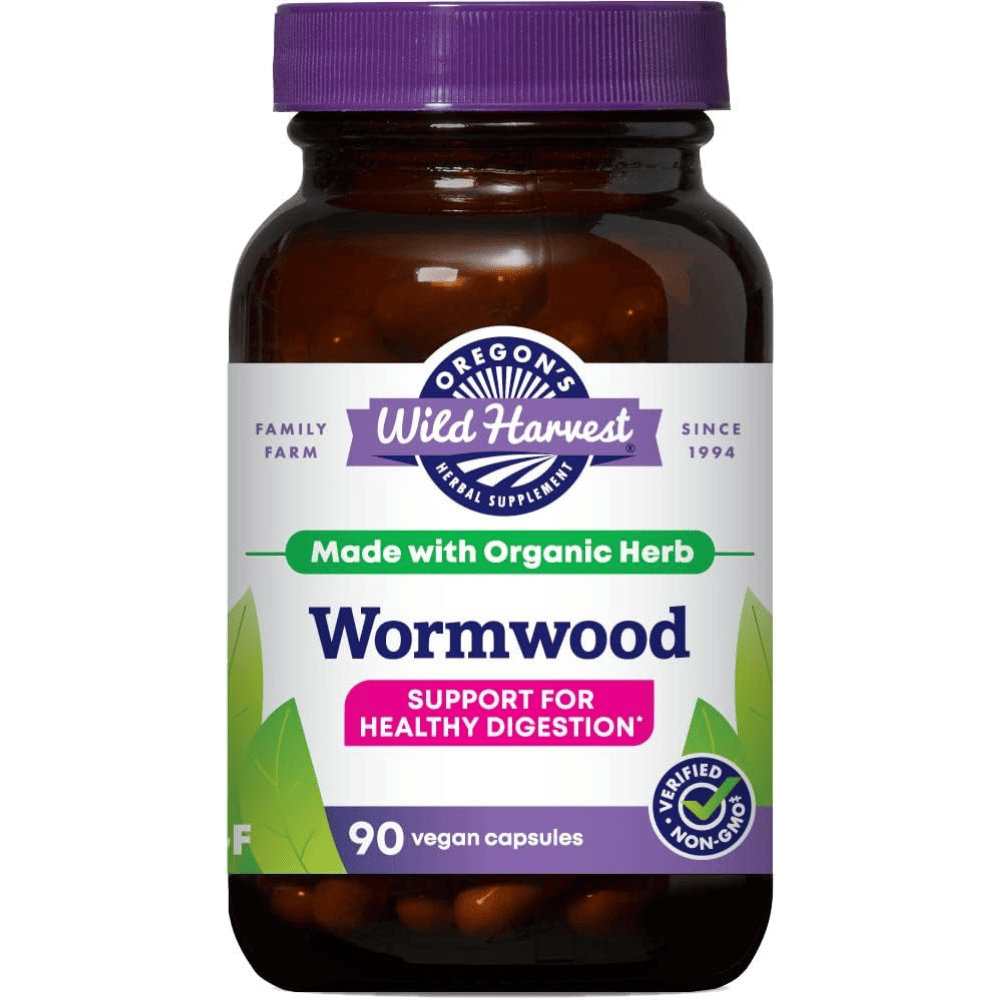
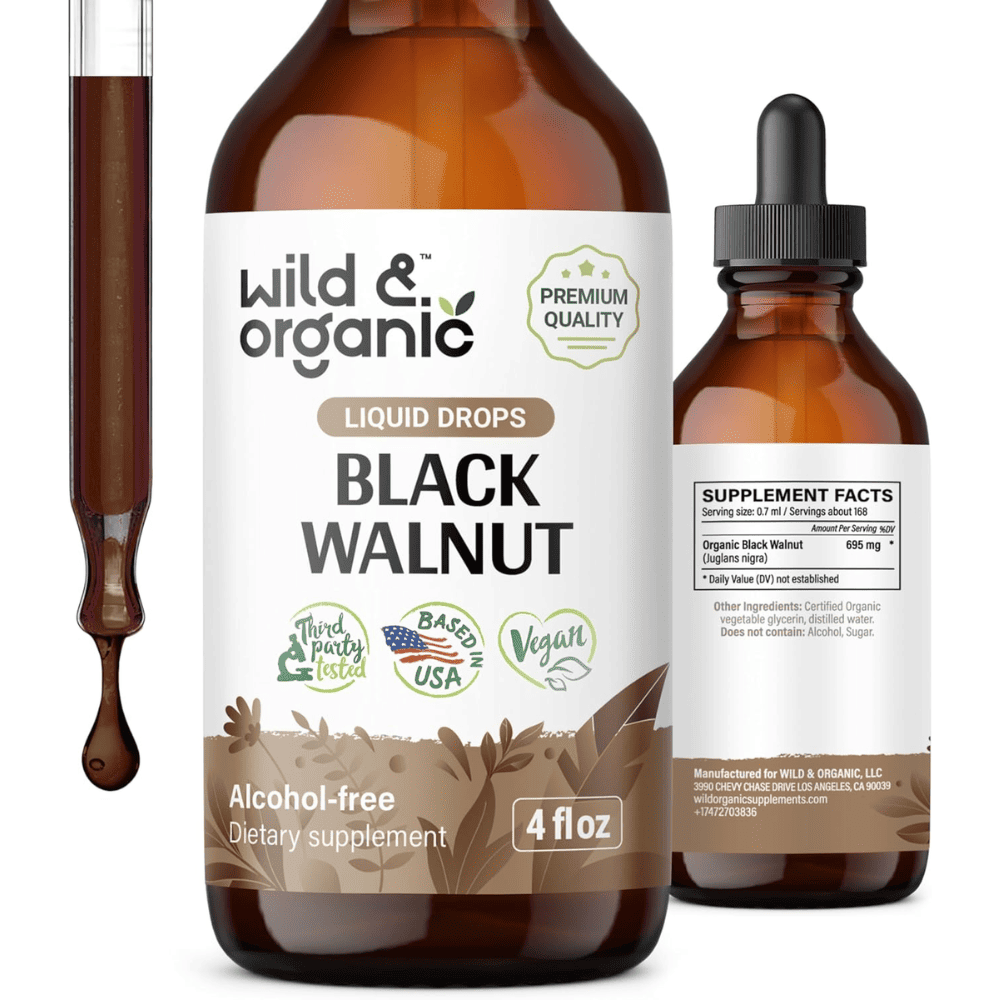
Recommended Products
As an Amazon Associate and affiliate partner, we earn from qualifying purchases. Product recommendations are based on research and editorial judgment, not compensation.

References
Get the Free 30-Day Parasite Cleanse Plan
Evidence-based protocols, supplement schedules, and dietary guidance delivered to your inbox.