Pumpkin Seeds for Parasite Cleanse
Last reviewed: 2026-03-18
Medical Disclaimer
This content is for informational purposes only and does not constitute medical advice. Consult a qualified healthcare provider before starting any treatment, supplement, or cleanse program. If you suspect a parasitic infection, seek professional medical diagnosis.
A time-tested natural deworming agent, pumpkin seeds contain cucurbitacin -- a compound that paralyzes intestinal parasites and makes them easy for the body to expel. Unlike many anti-parasitic herbs, pumpkin seeds are gentle enough for children and can be eaten as a regular food.
What Are Pumpkin Seeds?
Pumpkin seeds (also called pepitas) are the edible seeds of Cucurbita pepo and related squash species in the Cucurbitaceae family. They are flat, oval, and enclosed in a white outer husk, with a green inner kernel.
Each seed is a nutritional powerhouse. A one-ounce serving (about 28 grams) provides approximately 7 grams of protein, 13 grams of fat (mostly unsaturated), 37% of the daily value for magnesium, 23% for zinc, and significant amounts of iron, phosphorus, and manganese. This nutrient density is relevant to parasite recovery because chronic parasitic infections often deplete zinc, iron, and magnesium stores.
Pumpkin seeds have been cultivated for at least 7,500 years, originating in the Americas. Archaeological evidence from the Oaxaca Valley in Mexico dates their use to around 5,500 BCE. Native American tribes -- including the Cherokee, Menominee, and Zuni -- used pumpkin seeds medicinally for kidney problems, urinary complaints, and intestinal parasites.
European colonizers brought pumpkin seeds back to the Old World, where they became integrated into folk medicine traditions. In Germany and Eastern Europe, pumpkin seed preparations (Kürbiskernöl) have been used for centuries to treat tapeworm infections. The German Commission E (a government regulatory body for herbal medicine) has approved pumpkin seeds for supportive treatment of bladder and prostate conditions.
Anti-Parasitic Properties
The primary anti-parasitic compound in pumpkin seeds is cucurbitacin, a tetracyclic triterpenoid found in plants of the Cucurbitaceae family.
Cucurbitacin works through a distinct mechanism: it causes paralysis of the parasite's musculature without killing it outright. This is called a vermifuge action (as opposed to a vermicidal action that kills the worm directly). The paralyzed worms lose their ability to grip the intestinal wall and are carried out of the body during normal bowel movements.
This mechanism has a practical advantage. When parasites are killed in place, they can release toxins as they decompose, sometimes causing a temporary worsening of symptoms known as a Herxheimer reaction. The vermifuge approach of pumpkin seeds avoids this by expelling intact, living parasites.
Beyond cucurbitacin, pumpkin seeds contain several other compounds that support the anti-parasitic effect:
- Fatty acids (oleic and linoleic acid) contribute to the overall hostile environment for parasites in the gut
- Zinc supports immune function, and zinc deficiency is both a consequence and enabler of parasitic infections
- Fiber promotes regular bowel movements, which is essential for physically removing paralyzed worms
- Amino acids like cucurbitin (a non-protein amino acid unique to cucurbit seeds) have demonstrated direct anthelmintic activity in laboratory studies
Scientific Evidence
Multiple studies support the traditional use of pumpkin seeds against intestinal parasites.
A 2016 study published in the International Journal of Molecular Sciences evaluated pumpkin seed extracts against Heligmosomoides polygyrus (a gastrointestinal nematode) in both in vitro and in vivo models. The ethanolic extract caused dose-dependent paralysis and death of adult worms in laboratory settings. In mice, the extract significantly reduced worm burden compared to untreated controls. The researchers attributed the activity primarily to cucurbitacin E and other triterpenoids.
A community-based field study published in Acta Tropica (2012) tested pumpkin seeds combined with areca nut extract for treating human taeniasis (tapeworm infection) in Sichuan Province, China. The treatment achieved an expulsion rate of 89.2% among 116 patients infected with Taenia solium or Taenia saginata. Complete tapeworm proglottids (segments) and scolices (heads) were recovered in the majority of cases, confirming full worm expulsion.
A preclinical study from Peru published in Revista de Gastroenterología del Perú (2004) confirmed the anthelmintic activity of Cucurbita maxima seed extracts in animal models, supporting the traditional use of pumpkin seeds in rural communities throughout Latin America for treating intestinal parasites.
Research from Egypt published in the Journal of the Egyptian Society of Parasitology (2002) compared pumpkin seed extract to praziquantel for treating experimental heterophyiasis (intestinal fluke infection). The pumpkin seed extract showed measurable anti-parasitic effects, though praziquantel remained more potent. The study suggested pumpkin seeds as a complementary natural option.
Parasites Targeted
Pumpkin seeds have documented use against several types of intestinal parasites:
- Tapeworms (Taenia solium, Taenia saginata, Diphyllobothrium latum) -- the strongest traditional indication, supported by clinical evidence
- Roundworms (Ascaris lumbricoides) -- common in tropical and subtropical regions
- Pinworms (Enterobius vermicularis) -- pumpkin seeds are considered one of the safest options for children with pinworm infections
- Intestinal flukes (Heterophyes heterophyes) -- supported by Egyptian research
- Hookworms -- traditional use, less clinical data available
The strongest evidence is for tapeworms, where pumpkin seeds have a long history of clinical use in both traditional and conventional medical settings.
How to Use Pumpkin Seeds
Pumpkin seeds can be consumed in several ways for anti-parasitic purposes.
Raw seeds (whole): The traditional method. Eat 1/4 to 1/2 cup (about 30-60 grams) of raw, unshelled pumpkin seeds on an empty stomach first thing in the morning. Chew thoroughly. Follow with water. Some traditional protocols recommend eating nothing else for 2-3 hours after, then taking a mild laxative (such as castor oil or magnesium citrate) to help flush paralyzed worms from the intestines.
Ground seeds: Grind raw pumpkin seeds into a fine powder using a coffee grinder or food processor. Mix 2-3 tablespoons into water, juice, or a smoothie. Grinding increases surface area and may improve cucurbitacin absorption.
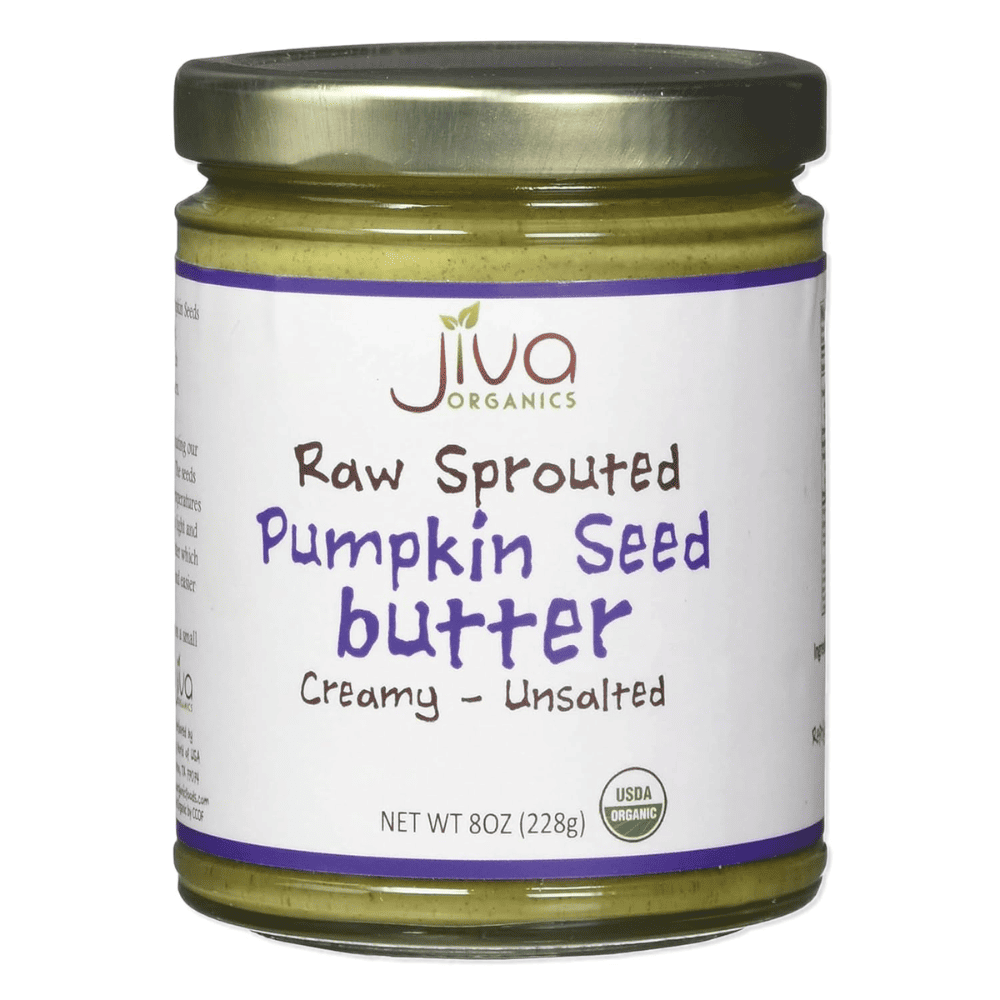
Pumpkin seed butter: A convenient daily option. Spread 2 tablespoons on toast or add to smoothies. Look for products made from raw (not roasted) seeds, as high heat may reduce cucurbitacin content.
Traditional anti-tapeworm protocol: Peel and crush 300 grams (about 10.5 ounces) of raw pumpkin seeds. Mix with honey and water to form a paste. Eat the entire amount over 1-2 hours on an empty stomach. Follow with a saline laxative 2-3 hours later. This method has been documented in pharmacopoeias for over 150 years.
Duration: For general cleansing, consume pumpkin seeds daily for 2-4 weeks. For acute tapeworm treatment, the single large-dose protocol above is traditional, sometimes repeated after 2 weeks.
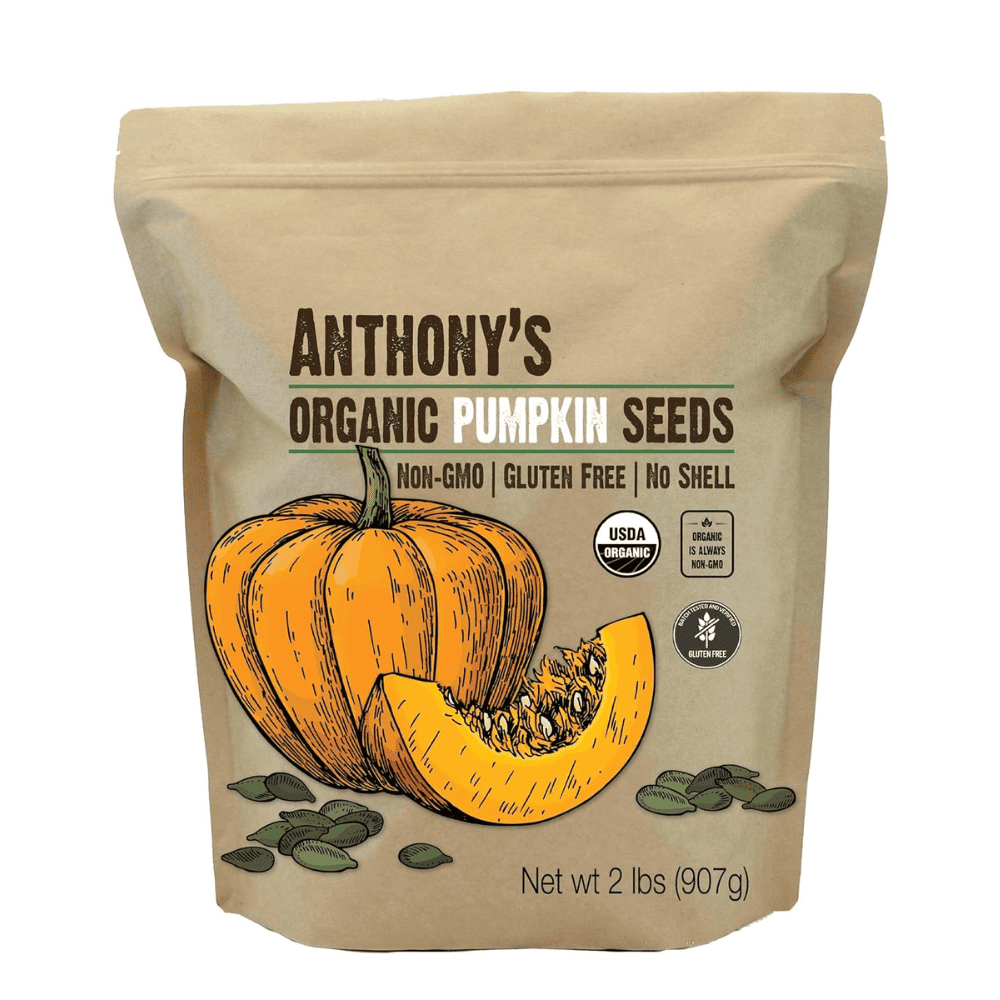
Important: Use raw, unsalted pumpkin seeds. Roasting at high temperatures can degrade cucurbitacin and reduce anti-parasitic effectiveness. Organic seeds are preferred to avoid pesticide residues.
Safety and Side Effects
Pumpkin seeds are one of the safest anti-parasitic remedies available, which is why they are often recommended for children, pregnant women (in food amounts), and people who cannot tolerate stronger herbal protocols.
Common side effects are mild and uncommon: occasional stomach upset, mild diarrhea, or nausea, especially when consuming large quantities on an empty stomach.
Caloric content: Pumpkin seeds are calorie-dense (about 170 calories per ounce). People monitoring caloric intake should account for this.
Allergies: Tree nut and seed allergies are possible though uncommon. People with known Cucurbitaceae sensitivities should avoid them.
Drug interactions: Pumpkin seeds may have mild diuretic effects. People taking lithium should use caution, as reduced lithium excretion could increase blood levels. Those on blood pressure medications should monitor their levels, as the magnesium content may have additive effects.
Pregnancy: Pumpkin seeds in food amounts are considered safe during pregnancy. Medicinal doses (the large single-dose tapeworm protocol) should be discussed with a healthcare provider first.
Children: Generally considered safe for children over 2 years. Reduce the dose proportionally by body weight. For children, 1-2 tablespoons of ground seeds mixed into food is a common starting point.
Do Pumpkin Seeds Kill Worms?
Technically, pumpkin seeds do not kill worms — they paralyze them. This distinction matters because it affects how you use them and what to expect.
Cucurbitacin, the primary active compound, causes muscular paralysis in intestinal helminths. The paralyzed worms lose their ability to grip the intestinal wall using their suckers, hooks, or muscular attachments. Without this grip, they are carried along by normal peristalsis (the wave-like contractions that move food through the intestines) and expelled during bowel movements.
This is called a vermifuge action — expelling live, intact parasites — as opposed to a vermicidal action that kills parasites in place. The vermifuge approach has a practical advantage: when parasites are killed in place, they decompose and release toxins, potentially causing die-off symptoms. Pumpkin seeds' paralysis-and-expulsion mechanism avoids this by removing the parasites alive and intact.
Pumpkin Seeds and Pinworms
Pinworms (Enterobius vermicularis) are the most common helminth in developed countries, particularly in children. Pumpkin seeds are one of the safest natural options for children with pinworm infections because:
- Cucurbitacin has documented anthelmintic activity against multiple worm species including pinworms
- Pumpkin seeds are a food, not a medicine — no dosing concerns for children over 2
- They provide zinc, which supports immune function during infection recovery
- The taste is mild and child-friendly compared to bitter herbs like wormwood
However: For diagnosed pinworm infections, OTC pyrantel pamoate (Pin-X, Reese's Pinworm Medicine) remains the most reliable treatment with cure rates exceeding 95%. Pumpkin seeds are best used as a complementary approach — eat them daily alongside medication to support the body's natural expulsion process.
Overnight itch relief for pinworms: The most miserable symptom of pinworm infection is the intense perianal itching at night when female worms emerge to lay eggs. While pumpkin seeds address the parasites internally, for immediate topical relief: apply a thin layer of coconut oil or zinc oxide cream to the perianal area before bed. This soothes irritation and may create a barrier that makes it harder for worms to deposit eggs. Wash the area each morning, change underwear daily, and wash bedding in hot water.
Pumpkin Seeds and Tapeworms
The strongest traditional indication for pumpkin seeds is against tapeworms. The Chinese community-based field study achieved an 89.2% tapeworm expulsion rate using pumpkin seeds combined with areca nut extract. The traditional large-dose protocol (300 grams at once, followed by a laxative) has been documented in pharmacopoeias for over 150 years.
For confirmed tapeworm infection, always consult a doctor — prescription praziquantel is highly effective and typically requires only a single dose. Pumpkin seeds can complement medical treatment or serve as a follow-up preventive measure.
Frequently Asked Questions
Do pumpkin seeds actually kill parasites? Technically, no -- they paralyze them. The cucurbitacin in pumpkin seeds causes muscular paralysis in worms, which loosens their grip on the intestinal wall. The paralyzed worms are then expelled during bowel movements. This is why many traditional protocols pair pumpkin seeds with a mild laxative to ensure complete elimination.
Can I use roasted pumpkin seeds for parasite cleansing? Raw seeds are strongly preferred. High-temperature roasting degrades cucurbitacin and other heat-sensitive compounds. Lightly toasted seeds (under 170F/75C for a short time) may retain some activity, but raw is the standard recommendation for therapeutic use.
How many pumpkin seeds do I need to eat per day? For general maintenance and prevention, 1/4 cup (about 30 grams) daily is a reasonable amount. For active cleansing, 1/2 cup (60 grams) daily for 2-4 weeks is typical. For the traditional single-dose tapeworm protocol, 300 grams (about 10.5 ounces) is consumed at once -- this is a large amount and is meant as a one-time therapeutic dose, not a daily regimen.
Can pumpkin seeds be combined with other anti-parasitic remedies? Yes. Pumpkin seeds are frequently combined with wormwood, garlic, papaya seeds, or oregano oil in multi-ingredient cleanse protocols. Their gentle mechanism of action makes them a good complement to stronger herbal anti-parasitics. Some practitioners recommend eating pumpkin seeds alongside wormwood to both paralyze and weaken parasites simultaneously.
When to See a Doctor
While pumpkin seeds are a safe and well-studied food-based remedy, they are not a replacement for proper medical evaluation. Seek medical care if:
- You suspect a tapeworm infection (segments visible in stool, unexplained weight loss, abdominal discomfort) -- tapeworms can sometimes migrate to organs and cause serious complications
- Symptoms persist after 4 weeks of consistent pumpkin seed consumption
- You experience severe abdominal pain, high fever, or bloody stools
- You are immunocompromised or have a chronic health condition
- A child under 2 shows signs of parasitic infection
A stool ova and parasite (O&P) test is the standard diagnostic tool. Your doctor may recommend prescription anthelmintics (such as praziquantel or albendazole) depending on the type and severity of infection. Pumpkin seeds can often be used alongside conventional treatment with your doctor's approval.
This content is for educational purposes only and is not intended as medical advice. Always consult a qualified healthcare provider before starting any supplement or cleanse protocol.
Part of: Anti-Parasitic Foods
Recommended Products
As an Amazon Associate and affiliate partner, we earn from qualifying purchases. Product recommendations are based on research and editorial judgment, not compensation.
References
Get the Free 30-Day Parasite Cleanse Plan
Evidence-based protocols, supplement schedules, and dietary guidance delivered to your inbox.