Wormwood for Parasite Cleanse
Last reviewed: 2026-03-18
Medical Disclaimer
This content is for informational purposes only and does not constitute medical advice. Consult a qualified healthcare provider before starting any treatment, supplement, or cleanse program. If you suspect a parasitic infection, seek professional medical diagnosis.
A cornerstone of traditional parasite cleansing protocols, wormwood (Artemisia absinthium) is one of the most studied anti-parasitic botanicals in herbal medicine. Its bitter compounds have been used for thousands of years to expel intestinal worms and restore digestive balance.
What Is Wormwood?
Wormwood is a perennial herb belonging to the Asteraceae (daisy) family. Its botanical name, Artemisia absinthium, comes from the Greek goddess Artemis, who was believed to have given the plant to humanity as a medicine.
The plant grows 2-4 feet tall with silvery-green, deeply lobed leaves and small yellow flowers. It thrives across temperate regions of Europe, Asia, and North Africa, and has naturalized throughout North America. The leaves and flowering tops are the parts used medicinally.
Wormwood is famously the key botanical in absinthe, the 19th-century spirit once banned in much of Europe. But its medicinal use predates that controversy by millennia. Ancient Egyptian papyri from 1550 BCE reference wormwood as a treatment for intestinal worms. Hippocrates prescribed it for jaundice and digestive complaints. Medieval European herbalists kept it as a standard remedy for parasitic infections.
The plant's intensely bitter taste comes from absinthin, one of the most bitter compounds found in nature. This bitterness is not incidental -- it is directly tied to wormwood's therapeutic effects on the digestive system.
Anti-Parasitic Properties
Wormwood owes its anti-parasitic activity to several bioactive compounds working together.
Artemisinin and related sesquiterpene lactones are the most studied. Artemisinin, derived from the related species Artemisia annua, earned a Nobel Prize in 2015 for its role in treating malaria. Artemisia absinthium contains its own profile of sesquiterpene lactones -- including absinthin and anabsinthin -- that damage parasite cell membranes and interfere with their metabolic processes.
Thujone, a monoterpene ketone, is the compound most associated with wormwood's anthelmintic (worm-expelling) action. Research indicates thujone disrupts neuromuscular function in helminths (parasitic worms), causing paralysis that allows the body to flush them out during normal bowel movements.
Tannins and flavonoids provide secondary anti-parasitic support. They create an inhospitable environment in the gut lining, making it harder for parasites to attach and feed. The tannins also have astringent properties that help tighten and protect the intestinal mucosa.
The bitter compounds in wormwood stimulate bile production and gastric acid secretion. This matters because adequate stomach acid and bile flow are part of the body's first line of defense against ingested parasites. Many people with chronic parasitic infections also have low stomach acid, creating a cycle that wormwood can help interrupt.
Scientific Evidence
Research on Artemisia absinthium has confirmed several of its traditional uses.
A 2009 study published in Veterinary Parasitology tested wormwood extracts against ovine gastrointestinal nematodes. The crude aqueous and methanolic extracts showed dose-dependent anthelmintic activity, with the methanolic extract achieving up to 93.69% worm mortality at the highest concentration tested. The researchers concluded that A. absinthium contains "potent anthelmintic compounds" warranting further investigation.
A 2018 study in the Journal of Helminthology evaluated wormwood against Hymenolepis nana (dwarf tapeworm) in both laboratory and animal models. The ethanolic extract of A. absinthium significantly reduced worm burden in infected mice, with efficacy approaching that of praziquantel, a standard pharmaceutical anthelmintic. The study noted damage to the tegument (outer covering) of the tapeworms, suggesting a direct toxic effect on parasite tissue.
A 2010 clinical trial published in Phytomedicine found that wormwood extract (500 mg three times daily) produced steroid-sparing effects in patients with Crohn's disease, reducing TNF-alpha levels and improving symptoms. While this study focused on inflammatory bowel disease rather than parasites directly, it demonstrates wormwood's ability to modulate gut inflammation -- a common consequence of parasitic infection.
The broader Artemisia genus has extensive anti-parasitic documentation. The World Health Organization has recognized artemisinin-based compounds as first-line treatments for Plasmodium falciparum malaria since 2001, validating the anti-parasitic potential of this plant family.
Parasites Targeted
Wormwood has demonstrated activity against a range of intestinal and systemic parasites:
- Roundworms (Ascaris lumbricoides) -- one of the most common human helminth infections worldwide
- Pinworms (Enterobius vermicularis) -- especially common in children
- Hookworms (Ancylostoma duodenale, Necator americanus)
- Tapeworms (Hymenolepis nana, Taenia species)
- Protozoa -- some evidence suggests activity against Giardia lamblia and Entamoeba histolytica
Wormwood is a central ingredient in the classic "parasite cleanse triad" alongside black walnut hull and cloves. This combination targets parasites at multiple life stages: wormwood and black walnut attack adult worms, while cloves target eggs and larvae.
How to Use Wormwood
Wormwood is available in several forms, each with different advantages.
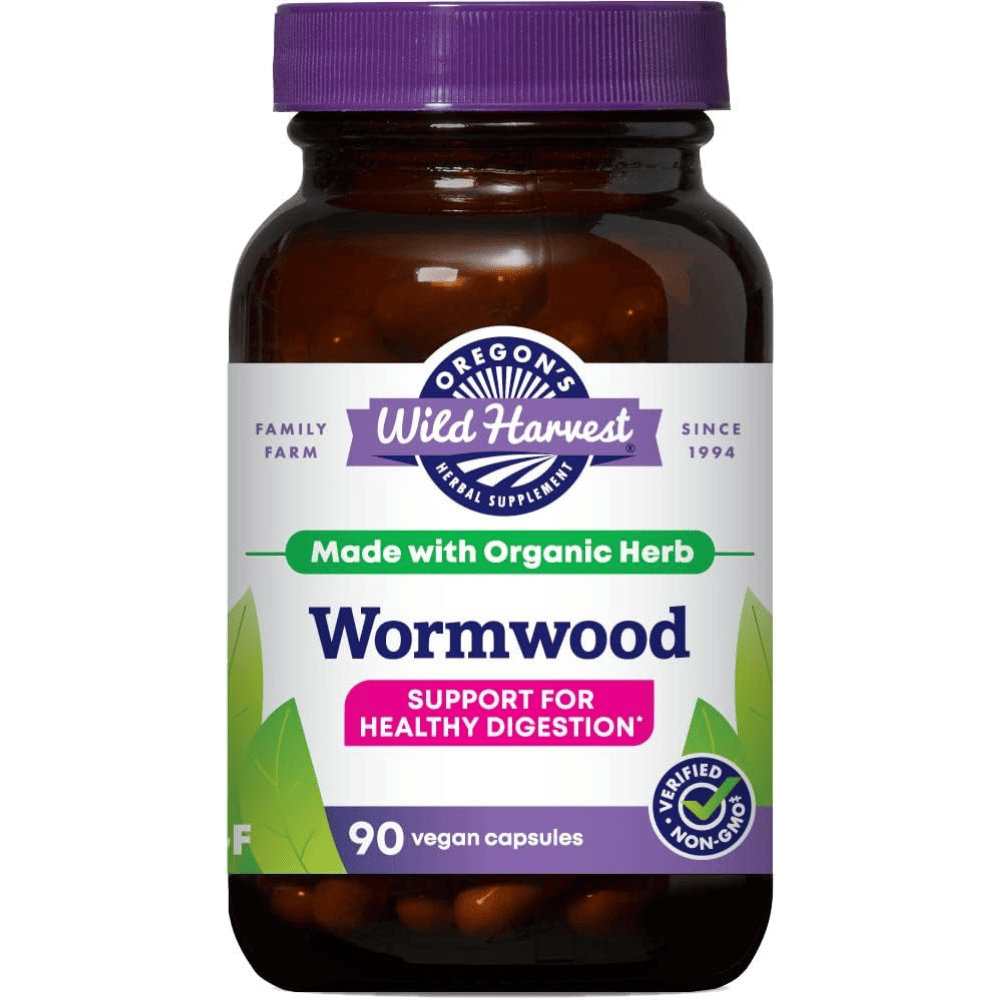
Capsules (300-500 mg dried herb): The most convenient option. Take 1-2 capsules with water before meals, typically 2-3 times daily during a cleanse. Capsules bypass the extremely bitter taste that many people find difficult to tolerate.
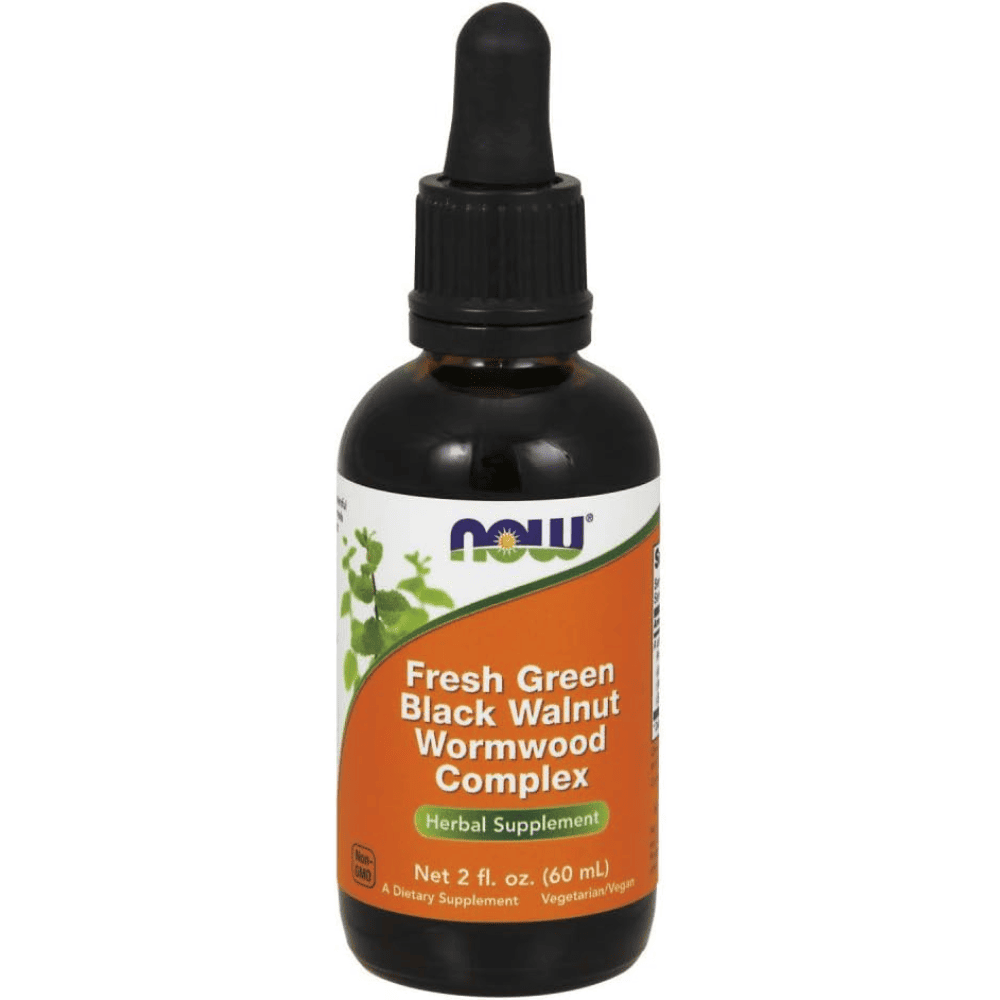
Tincture (liquid extract): Offers faster absorption than capsules. A standard dose is 20-30 drops in a small amount of water, taken 15 minutes before meals. Tinctures allow flexible dosing adjustments.
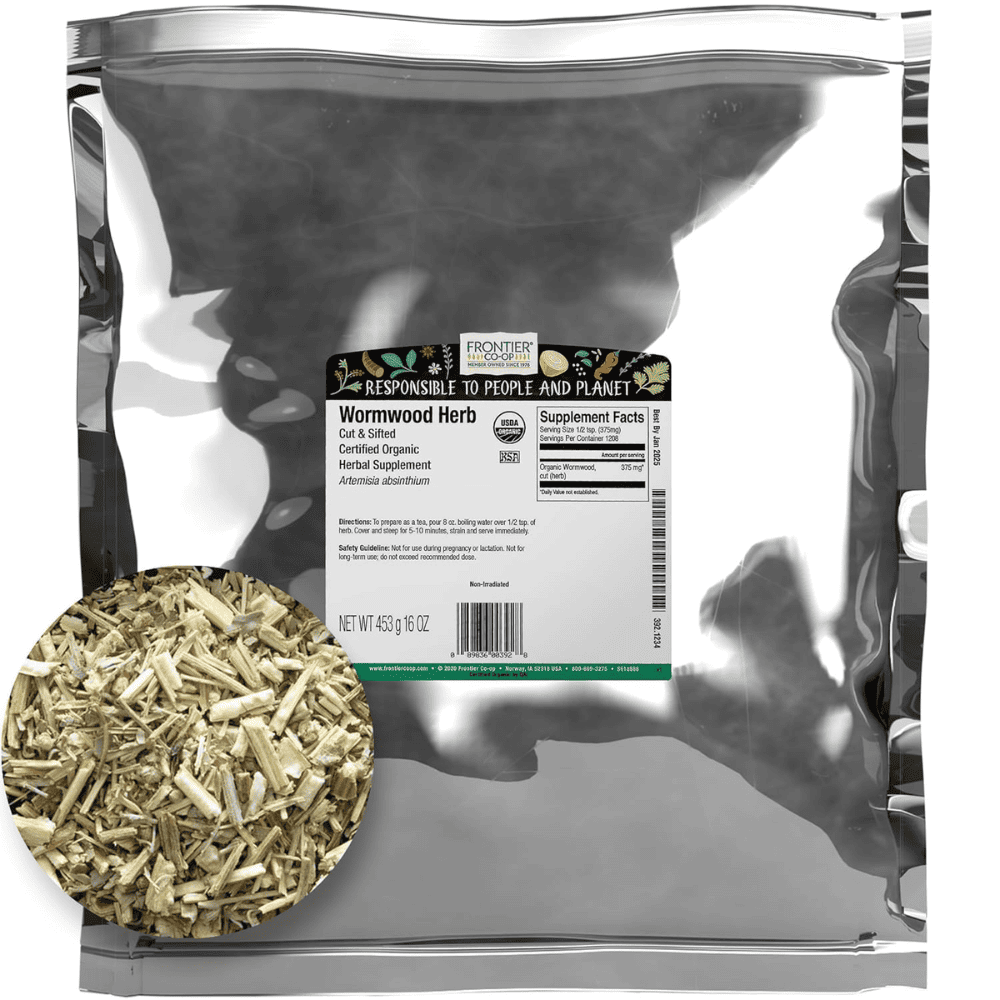
Tea (dried leaf infusion): Steep 1/2 to 1 teaspoon of dried wormwood in 8 oz of hot water for 5-10 minutes. The tea is intensely bitter. Some people add raw honey or lemon to offset the taste, though purists argue the bitterness itself triggers beneficial digestive reflexes.
Typical cleanse duration: Most traditional protocols call for 2-4 weeks of use, followed by a break of at least 1 week. Extended continuous use beyond 4 weeks is generally not recommended due to thujone content.
Timing: Take wormwood on an empty stomach or 15-30 minutes before meals for best absorption. Morning and evening doses tend to be most common in traditional protocols.
Safety and Side Effects
Wormwood is generally well-tolerated at recommended doses for short-term use, but there are important precautions.
Thujone toxicity: Thujone in large doses can be neurotoxic, causing seizures, muscle breakdown, and kidney damage. This is why dosing guidelines exist and why continuous long-term use is discouraged. Modern wormwood supplements are typically standardized to contain safe levels of thujone. The EU limits thujone in food products to 0.5 mg/kg.
Pregnancy and breastfeeding: Wormwood is strictly contraindicated during pregnancy. It has traditional use as an emmenagogue (menstruation promoter) and may stimulate uterine contractions. It should also be avoided while breastfeeding.
Drug interactions: Wormwood may interact with anticonvulsant medications (by potentially lowering seizure threshold). It may also affect the metabolism of drugs processed through certain liver enzyme pathways (CYP enzymes). Consult a healthcare provider if you take prescription medications.
Allergies: People allergic to plants in the Asteraceae family (ragweed, chrysanthemums, marigolds, daisies) may react to wormwood.
Digestive upset: The bitter compounds can cause nausea, vomiting, or diarrhea in sensitive individuals, especially at higher doses. Starting with a lower dose and increasing gradually can help.
Frequently Asked Questions
How long does it take for wormwood to work against parasites? Most traditional protocols run 2-4 weeks. Some people report changes in stool or reduced symptoms within the first week. A complete cleanse typically requires the full course, and some practitioners recommend repeating the cycle after a rest period to catch parasites at different life stages.
Can I take wormwood every day long-term? No. Wormwood is intended for short-term therapeutic use, not daily maintenance. Most herbalists recommend cycles of 2-4 weeks on, followed by 1-2 weeks off. Continuous use beyond 4 weeks increases the risk of thujone accumulation.
Is wormwood the same as the plant used to treat malaria? They are closely related but different species. Artemisia absinthium (wormwood) is the species used in traditional Western herbalism for intestinal parasites. Artemisia annua (sweet wormwood) is the source of artemisinin used to treat malaria. Both species contain anti-parasitic compounds, but they have different chemical profiles.
Can children take wormwood? Wormwood is generally not recommended for children under 12 due to thujone sensitivity. For children with suspected parasitic infections, consult a pediatrician. Pumpkin seeds and papaya seeds are often considered gentler options for younger age groups.
When to See a Doctor
Wormwood and other herbal anti-parasitics are not substitutes for medical diagnosis and treatment. See a healthcare provider if you experience:
- Persistent diarrhea, blood or mucus in stool, or unexplained weight loss
- Fever or severe abdominal pain during a cleanse
- Visible worms in stool (bring a sample for laboratory identification)
- Symptoms that worsen or do not improve after completing a cleanse cycle
- Any signs of allergic reaction (rash, swelling, difficulty breathing)
A stool ova and parasite (O&P) test can confirm the presence and type of parasitic infection, allowing for targeted treatment. Some parasitic infections -- particularly tissue-invasive species -- require prescription medications and should not be managed with herbal remedies alone.
This content is for educational purposes only and is not intended as medical advice. Always consult a qualified healthcare provider before starting any supplement or cleanse protocol.
Part of: Herbs & Botanicals
Recommended Products
As an Amazon Associate and affiliate partner, we earn from qualifying purchases. Product recommendations are based on research and editorial judgment, not compensation.
References
Get the Free 30-Day Parasite Cleanse Plan
Evidence-based protocols, supplement schedules, and dietary guidance delivered to your inbox.