Clove for Parasite Cleanse
Medical Disclaimer
This content is for informational purposes only and does not constitute medical advice. Consult a qualified healthcare provider before starting any treatment, supplement, or cleanse program. If you suspect a parasitic infection, seek professional medical diagnosis.
The final leg of the classic parasite cleanse triad, clove's powerful eugenol compound targets and destroys parasite eggs — preventing reinfection and completing a thorough cleanse.
What Is Clove?
Clove (Syzygium aromaticum, formerly Eugenia caryophyllata) is the aromatic dried flower bud of a tropical evergreen tree in the Myrtaceae family. The tree is native to the Maluku Islands (Spice Islands) of Indonesia and now grows throughout tropical regions including Madagascar, Tanzania, Sri Lanka, and Brazil.
Each clove bud is harvested by hand before it opens into a flower, then sun-dried until it turns dark brown. The bud's intense aroma and medicinal power come primarily from eugenol, which constitutes 70–90% of clove essential oil. Other active compounds include eugenyl acetate, beta-caryophyllene, alpha-humulene, and various flavonoids and tannins.
Clove has been traded as a spice and medicine for over 2,000 years. In ancient China, courtiers were required to hold cloves in their mouths when addressing the emperor to freshen their breath. Ayurvedic medicine classifies clove as a pungent, heating spice used to strengthen digestion, kill intestinal worms, and relieve pain. In the spice trade of the 15th–17th centuries, cloves were so valuable that wars were fought over control of their production.
In modern alternative health practice, clove holds a specific and distinct role: it is the only widely available natural compound known to destroy parasite eggs. This is why Dr. Hulda Clark included clove in her famous parasite cleanse triad alongside wormwood (which kills adult parasites) and black walnut hull (which kills intermediate larval stages).
Anti-Parasitic Properties
Clove's antiparasitic action works through mechanisms that are particularly effective against the egg and larval stages of parasites.
Ovicidal activity (egg destruction). Eugenol penetrates the protective shell (chorion) of parasite eggs and disrupts the developing embryo inside. This is clove's most distinctive contribution to a parasite cleanse. Most antiparasitic herbs target adult worms but leave eggs intact — when those eggs hatch days or weeks later, the infection returns. Clove breaks this reinfection cycle. Bagavan et al. (2011) demonstrated that clove extract at concentrations of 125–500 ppm destroyed 80–100% of parasite eggs within 24 hours.
Larvicidal activity. The same study by Bagavan et al. showed that clove extract killed larval-stage parasites at even lower concentrations than those needed to destroy eggs. Beta-caryophyllene and eugenyl acetate contributed to this larvicidal effect alongside eugenol.
Adult parasite toxicity. While clove's primary value is against eggs and larvae, eugenol also damages adult worms. It disrupts the tegument (body wall) of helminths, causing paralysis and eventual death. Eugenol interferes with the neuromuscular function of worms by affecting acetylcholinesterase activity, leading to spastic paralysis.
Anti-protozoal effects. Machado et al. (2011) tested clove essential oil against three protozoan parasites: Giardia lamblia, Trichomonas vaginalis, and Trypanosoma brucei. Clove oil showed significant activity against all three, with IC50 values (concentration needed to inhibit 50% of parasites) in the low microgram range. The researchers concluded that clove oil's anti-protozoal activity is strong enough to warrant further investigation as a potential therapeutic agent.
Biofilm disruption. Many parasites and the pathogenic bacteria that accompany them form protective biofilms on the intestinal wall. Eugenol has been shown to penetrate and disrupt these biofilms, exposing the organisms within to immune attack and other antiparasitic compounds.
Antimicrobial synergy. Parasitic infections rarely occur in isolation — they are typically accompanied by bacterial and fungal overgrowth. Friedman et al. (2002) demonstrated that clove essential oil and eugenol were among the most potent plant-derived antimicrobials tested against foodborne pathogens, with minimum inhibitory concentrations lower than many other essential oils. This broad antimicrobial action helps address the secondary infections that often accompany parasites.
Scientific Evidence
Research on clove's antiparasitic properties spans in vitro, in vivo, and ethnopharmacological studies.
Protozoan parasites. Machado et al. (2011) presented findings at the 59th International Congress of the Society for Medicinal Plant Research showing that clove essential oil inhibited Giardia lamblia at an IC50 of 47.6 μg/mL, Trichomonas vaginalis at 78.4 μg/mL, and Trypanosoma brucei at 27.3 μg/mL. These concentrations are achievable in the intestinal lumen with oral supplementation, making the results clinically relevant for GI parasites.
Egg and larval destruction. Bagavan et al. (2011) conducted dose-response testing of clove bud extract against parasite eggs and larvae. At 500 ppm, clove extract achieved 100% egg mortality within 24 hours. Even at the lowest concentration tested (62.5 ppm), egg mortality exceeded 50%. The LC50 for eggs was 132 ppm, and for larvae it was even lower at 88 ppm, confirming that larvae are more susceptible than eggs to clove compounds.
Eugenol's mechanism. Chaieb et al. (2007) published a review in Phytotherapy Research summarizing the biological activities of clove oil. They confirmed that eugenol acts by disrupting cell membrane phospholipid bilayers, inhibiting cellular respiration, and interfering with ion transport — mechanisms that affect parasites, bacteria, and fungi alike. The review also noted eugenol's strong antioxidant activity, which helps protect host tissues from oxidative damage during infection and cleansing.
Antimicrobial potency. Friedman et al. (2002) ranked clove oil among the top 5 most effective essential oils against four major pathogenic bacteria, with a bactericidal concentration of 0.04% for some species. This matters for parasite cleansing because bacterial overgrowth in the gut often worsens during and after parasitic infections, and clove's dual action against both parasites and bacteria addresses both problems simultaneously.
Traditional use validation. While Dr. Hulda Clark's parasite cleanse protocol (wormwood + clove + black walnut hull) has not been tested as a complete triad in controlled clinical trials, the individual components have each demonstrated antiparasitic activity in laboratory and animal studies. The rationale for including clove specifically — targeting eggs that other herbs miss — is supported by the ovicidal research described above.
How to Use Clove for Parasites
Clove can be taken in several forms. The key is using it consistently alongside adult-parasite-killing herbs to break the full life cycle.
Ground Clove Powder
Start with 500 mg (roughly 1/4 teaspoon) of freshly ground clove powder 3 times daily, increasing to 1,000 mg (1/2 teaspoon) 3 times daily over the first week. Take it in capsules or stirred into a small amount of water. Freshly grinding whole cloves preserves the volatile eugenol — pre-ground clove from the spice aisle may have lost significant potency.
Clove Essential Oil (Internal Use)
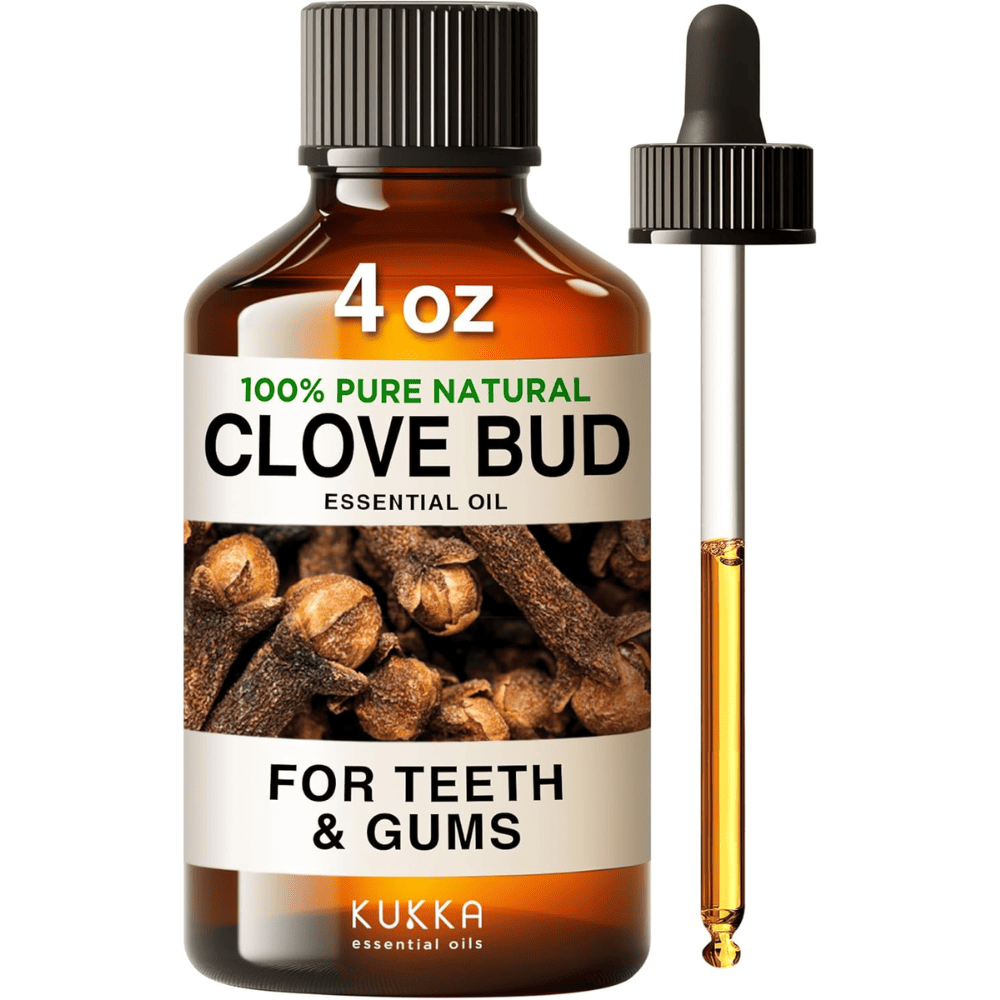
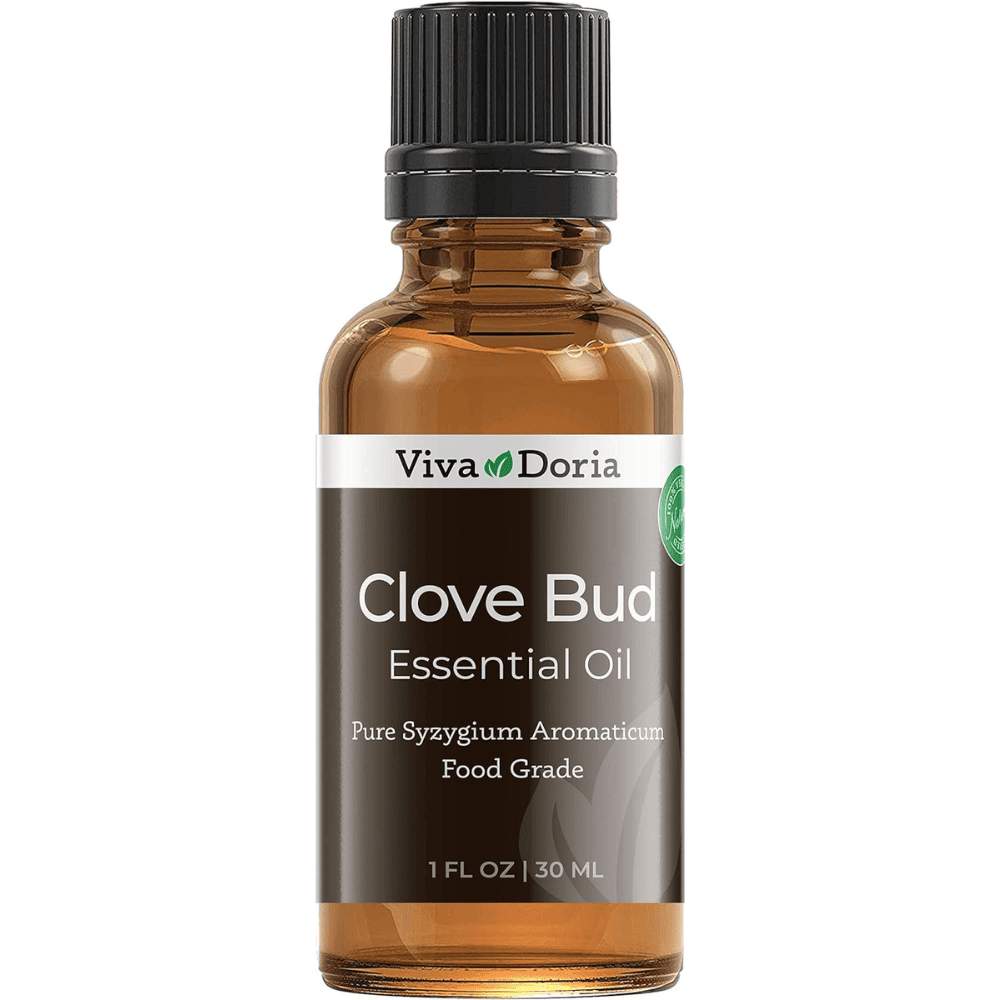
Only use food-grade clove essential oil internally. Add 1–2 drops to a veggie capsule or mix with a carrier oil (coconut or olive oil). Take 2–3 times daily. Do not exceed 3 drops per dose — clove oil is extremely concentrated, and eugenol in high doses can irritate mucous membranes.
Clove Capsules
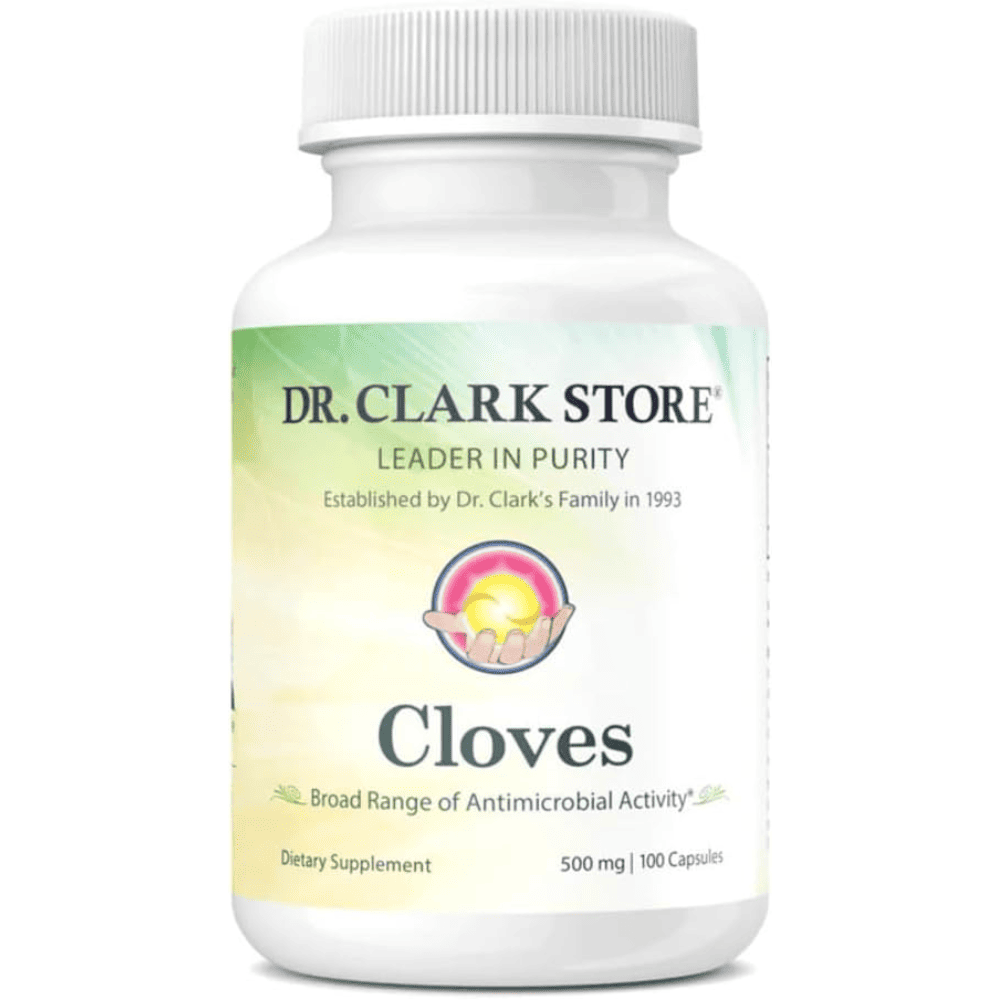
Pre-made clove capsules offer convenience and consistent dosing. Look for products that list the eugenol content or are standardized to a specific percentage. Typical dosing is 500–1,000 mg taken 2–3 times daily.
Clove Tea
Steep 1–2 teaspoons of whole cloves in 8 oz of boiling water for 10–15 minutes. The tea delivers a moderate dose of eugenol and other water-soluble compounds. It is gentler than capsules or essential oil and is a good starting point for those new to clove.
Timing in a Cleanse Protocol
In the classic Clark protocol, clove is taken throughout the entire cleanse duration (typically 18 days to 3 months) because parasite eggs can be deposited at any time. Many practitioners recommend taking clove between meals on an empty stomach for maximum absorption. The most common schedule is three times daily: morning, midday, and evening.
Clove is most effective when paired with an adult-stage antiparasitic (wormwood, black walnut hull, or pharmaceutical anthelmintics) so that all life stages of the parasite are targeted simultaneously.
Safety and Side Effects
Clove is generally safe when used at recommended doses, but its high eugenol content requires some caution.
Mucous membrane irritation. Eugenol is caustic at high concentrations. Undiluted clove oil applied to the gums, tongue, or skin can cause chemical burns. Always dilute clove oil before internal or topical use. If taking clove powder, wash it down with plenty of water to avoid throat irritation.
Gastrointestinal effects. Some people experience nausea, stomach pain, or diarrhea when first starting clove supplementation. Starting at a low dose and increasing gradually over several days minimizes this. Taking clove with food reduces GI irritation but may slightly reduce absorption.
Blood-thinning effects. Eugenol inhibits platelet aggregation and may increase bleeding risk. People taking anticoagulant or antiplatelet medications (warfarin, heparin, aspirin, clopidogrel) should consult their doctor before using clove therapeutically. Stop clove supplementation at least 2 weeks before scheduled surgery.
Liver considerations. Very high doses of eugenol (far above normal supplementation levels) have been associated with liver toxicity in animal studies. People with liver disease should use clove conservatively and under medical supervision. Stay within recommended doses.
Drug interactions. Clove may interact with blood thinners, diabetes medications (eugenol may lower blood sugar), and medications metabolized by the CYP2C9 enzyme pathway. Discuss clove use with your pharmacist if you take prescription medications.
Pregnancy and breastfeeding. Clove in food amounts (cooking spice) is safe during pregnancy. Therapeutic doses of clove are not recommended during pregnancy due to eugenol's potential effects on uterine muscle. Breastfeeding mothers should avoid therapeutic clove doses as eugenol passes into breast milk.
Children. Clove tea and food-level amounts are generally safe for children over 5 years old. Clove essential oil should not be used internally in children without guidance from a qualified practitioner. Reduce powder doses proportionally based on the child's body weight.
Frequently Asked Questions
Why is clove specifically needed in a parasite cleanse?
Most antiparasitic herbs and even most pharmaceutical dewormers target adult worms and protozoa. They do not reliably kill eggs. Parasite eggs have a tough outer shell (chorion) that protects the developing embryo from environmental threats — including many medications. Clove's eugenol is one of the few natural compounds shown to penetrate this shell and kill the embryo inside. Without targeting eggs, a cleanse may kill all adult parasites but leave thousands of eggs that hatch weeks later, restarting the infection.
Can I just use cloves from my spice cabinet?
Whole cloves from the spice aisle are the same botanical product and do contain eugenol. However, ground clove from a jar may have been sitting for months or years, losing volatile compounds over time. For maximum potency, buy whole cloves and grind them fresh using a coffee grinder or mortar and pestle. Store whole cloves in an airtight container away from heat and light — they retain their potency for up to 2 years when stored properly.
How long does clove take to kill parasite eggs?
Laboratory studies show that concentrated clove extract can destroy eggs within 24 hours. In the body, the timeline depends on the dose, the type of parasite, and how well the clove compounds reach the eggs in the intestinal tract. Most parasite cleanse protocols run clove continuously for a minimum of 2–3 weeks — long enough to cover at least one complete egg-hatching cycle for common intestinal parasites, whose eggs typically take 1–3 weeks to mature.
Is clove oil or clove powder more effective?
Clove essential oil is more concentrated — a single drop contains the eugenol equivalent of roughly 10–15 clove buds. However, this concentration also means it is easier to overdose or irritate the GI tract. Clove powder provides a gentler, sustained release of eugenol as it moves through the digestive tract, and it also delivers fiber and other compounds not present in the essential oil. For most people, clove powder or capsules are the safest and most practical option. Reserve clove oil for situations where higher potency is needed and the user is experienced with essential oil dosing.
When to See a Doctor
Clove is a valuable part of a natural antiparasitic protocol, but it does not replace professional diagnosis and treatment. Consult a healthcare provider if:
- You suspect a parasitic infection but have not had diagnostic testing
- You see worms, blood, or mucus in your stool
- You experience persistent abdominal pain, diarrhea, or vomiting lasting more than 3 days
- You develop a fever above 101°F (38.3°C)
- You have unexplained weight loss, fatigue, or anemia
- Your symptoms do not improve after 3 weeks of a natural cleanse protocol
- You are pregnant, breastfeeding, or have a chronic health condition
Parasitic infections involving tissue-invasive species (liver flukes, Strongyloides, Taenia solium cysticercosis) require prescription medications and medical monitoring. Natural remedies like clove are most appropriate for mild-to-moderate intestinal parasites and as supportive therapy alongside conventional treatment.
This article is for informational purposes only and does not constitute medical advice. Always consult a qualified healthcare provider before starting any parasite cleanse protocol, especially if you are pregnant, nursing, taking medications, or have a pre-existing health condition.
Part of: Herbs & Botanicals
Recommended Products
As an Amazon Associate and affiliate partner, we earn from qualifying purchases. Product recommendations are based on research and editorial judgment, not compensation.
References
- Chaieb K, et al. The chemical composition and biological activity of clove essential oil, Eugenia caryophyllata (Syzygium aromaticum L. Myrtaceae): a short review. Phytother Res. 2007;21(6):501-506. doi:10.1002/ptr.2124
- Machado M, et al. Composition and antiparasitic activity of essential oils from Syzygium aromaticum against Giardia lamblia, Trichomonas vaginalis and Trypanosoma brucei. Planta Med. 2011;77(14):1611. doi:10.1055/s-0031-1282767
- Friedman M, et al. Bactericidal activities of plant essential oils and some of their isolated constituents against Campylobacter jejuni, Escherichia coli, Listeria monocytogenes, and Salmonella enterica. J Food Prot. 2002;65(10):1545-1560. doi:10.4315/0362-028x-65.10.1545
- Bagavan A, et al. Ovicidal and larvicidal activity of crude extracts of Syzygium aromaticum against mosquito species. Parasitol Res. 2011;109(6):1689-1696. doi:10.1007/s00436-011-2445-0
- Clark HR. The Cure for All Diseases. New Century Press; 1995. (Note: while not a peer-reviewed source, this work popularized the wormwood-clove-black walnut triad in alternative practice.)
Get the Free 30-Day Parasite Cleanse Plan
Evidence-based protocols, supplement schedules, and dietary guidance delivered to your inbox.