Garlic for Parasite Cleanse
Last reviewed: 2026-03-18
Medical Disclaimer
This content is for informational purposes only and does not constitute medical advice. Consult a qualified healthcare provider before starting any treatment, supplement, or cleanse program. If you suspect a parasitic infection, seek professional medical diagnosis.
One of nature's most potent anti-parasitic superfoods, garlic's active compound allicin creates a hostile environment for parasites throughout the digestive tract.
What Is Garlic?
Garlic (Allium sativum) is a bulbous plant in the Amaryllidaceae family, closely related to onions, shallots, and leeks. Each garlic bulb contains 10–20 individual cloves wrapped in a papery skin. Native to Central Asia, garlic has been cultivated for over 7,000 years and is now grown on every inhabited continent.
The medicinal power of garlic centers on its sulfur-containing compounds. When a garlic clove is crushed, chopped, or chewed, the enzyme alliinase converts alliin (a stable sulfur amino acid) into allicin — the compound responsible for garlic's sharp smell and most of its biological activity. Allicin is highly reactive and unstable, quickly breaking down into other sulfur compounds including ajoene, diallyl sulfide (DAS), diallyl disulfide (DADS), and diallyl trisulfide (DATS). Each of these metabolites carries its own antimicrobial properties.
Garlic also contains selenium, germanium, vitamins B6 and C, manganese, and various flavonoids. This combination of sulfur compounds and micronutrients gives garlic one of the broadest antimicrobial profiles of any food.
Anti-Parasitic Properties
Garlic attacks parasites through multiple mechanisms, which is why resistance to garlic is difficult for organisms to develop.
Cell membrane disruption. Allicin interacts with thiol groups (-SH) in parasite cell membranes and enzymes, disrupting their structural integrity. This causes the parasite's cell membrane to become permeable, leading to loss of cellular contents and death. Ankri and Mirelman (1999) demonstrated that allicin's thiol-reactive properties are the primary mechanism behind its broad-spectrum antimicrobial action.
Enzyme inhibition. Parasites rely on specific enzymes — particularly cysteine proteinases and alcohol dehydrogenases — for their metabolism and survival. Allicin irreversibly inhibits these enzymes by binding to their active sulfhydryl sites. Without functioning enzymes, parasites cannot digest nutrients, produce energy, or reproduce.
Oxidative stress. Garlic's sulfur compounds generate reactive oxygen species (ROS) within parasite cells. While the host's cells have antioxidant defenses to manage this stress, many parasites — particularly protozoa like Giardia — have limited antioxidant capacity and are vulnerable to oxidative damage.
Immune enhancement. Garlic stimulates macrophage activity, increases natural killer cell function, and promotes the production of T-helper cells. These immune responses are specifically relevant for clearing parasitic infections, where cell-mediated immunity plays a central role. Garlic also enhances the production of nitric oxide by immune cells, which is directly toxic to many intracellular parasites.
Gut environment modification. Garlic acts as a prebiotic, feeding beneficial gut bacteria (particularly Lactobacillus and Bifidobacterium species) while simultaneously inhibiting pathogenic organisms. A healthy microbiome provides competitive exclusion — beneficial bacteria occupy the ecological niches that parasites would otherwise exploit.
Scientific Evidence
Garlic is one of the more well-studied natural antiparasitic agents, with research spanning several decades.
Giardia lamblia. Soffar and Mokhtar (1991) conducted a clinical study using aqueous garlic extract in patients with confirmed Giardia lamblia infections. Patients received garlic extract at a dose of 1 mg/kg body weight twice daily. Symptoms (bloating, diarrhea, abdominal cramps) resolved within 24–48 hours in the garlic group, and stool examinations showed complete clearance of Giardia cysts within 72 hours. The results were comparable to metronidazole, the standard pharmaceutical treatment.
Hymenolepis nana (dwarf tapeworm). The same study by Soffar and Mokhtar (1991) tested garlic extract against Hymenolepis nana, a common intestinal tapeworm. Garlic extract produced complete elimination of the parasite in treated patients, with stool samples negative for eggs at follow-up. The researchers noted no adverse side effects at the doses used.
Intestinal cestodes and trematodes. Abdel-Ghaffar et al. (2011) tested garlic extract and other plant compounds against intestinal cestodes (tapeworms) and trematodes (flukes) in vitro. Garlic extract caused significant morphological damage to the parasites' tegument (outer body wall) within hours of exposure, leading to paralysis and death. The study confirmed that allicin was the primary active compound responsible for this effect.
Trypanosoma cruzi. Aversa et al. (2019) studied the effects of garlic supplementation in mice infected with Trypanosoma cruzi, the parasite that causes Chagas disease. Garlic-supplemented mice showed significantly lower parasite loads in blood and tissue compared to controls. The garlic group also showed reduced oxidative stress markers and less tissue damage, suggesting garlic protects host tissues while fighting the parasite.
Mechanism confirmation. Ankri and Mirelman (1999) published a foundational study in Microbes and Infection confirming that allicin's antimicrobial action comes from its reaction with thiol-containing enzymes. They demonstrated allicin's activity against Entamoeba histolytica (the parasite causing amoebic dysentery), Giardia lamblia, and several pathogenic bacteria. The study established that allicin concentrations achievable through dietary garlic consumption are sufficient to inhibit these organisms.
How to Use Garlic for Parasites
The method of preparation matters significantly with garlic. Allicin is produced only when raw garlic cells are ruptured, and it degrades quickly with heat.
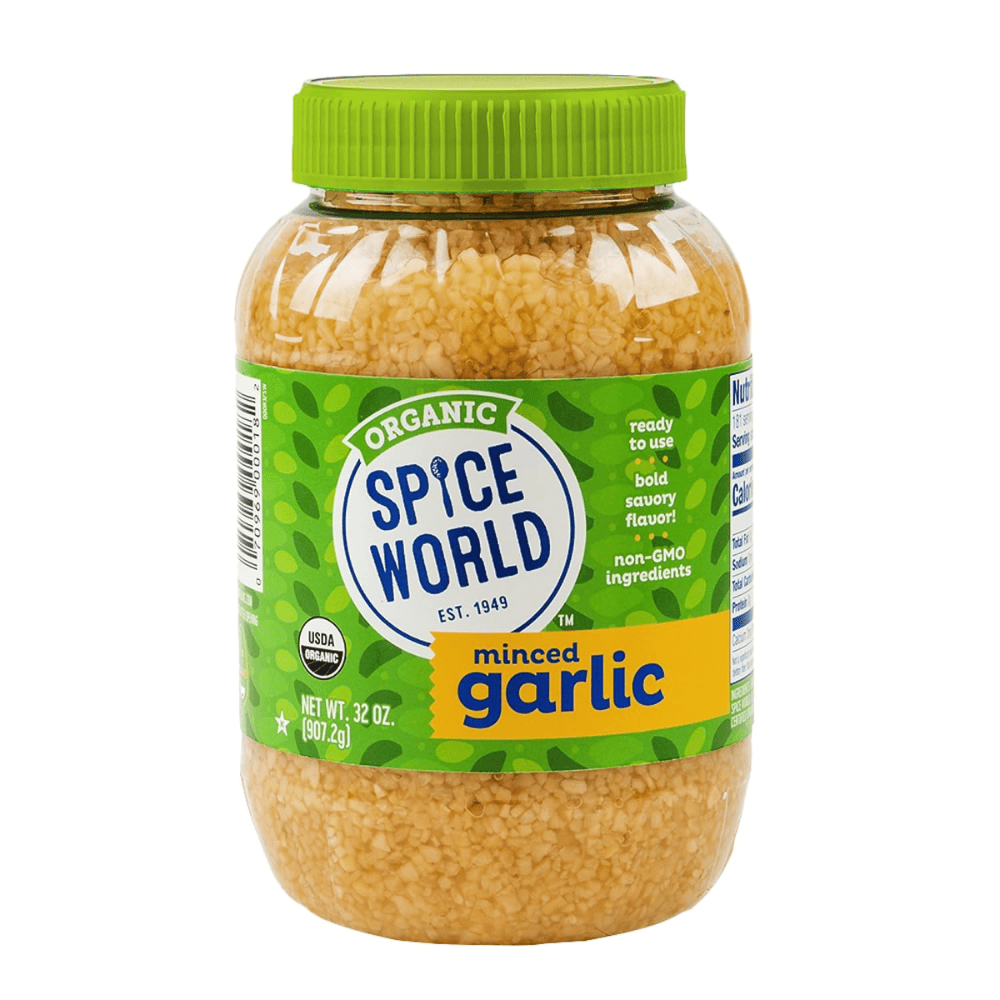
Raw Garlic Cloves
Crush or finely chop 2–3 fresh garlic cloves and let them sit for 10–15 minutes before consuming. This waiting period is important — it allows the alliinase enzyme to fully convert alliin into allicin. Swallow the chopped garlic with water, or mix it into a small amount of food. Take 2–3 times daily during a cleanse.
Garlic-Infused Honey
Crush 3–4 garlic cloves into a tablespoon of raw honey. Let the mixture sit for 10 minutes, then swallow it. The honey masks some of the garlic's intensity and adds its own antimicrobial properties. Take once daily on an empty stomach.
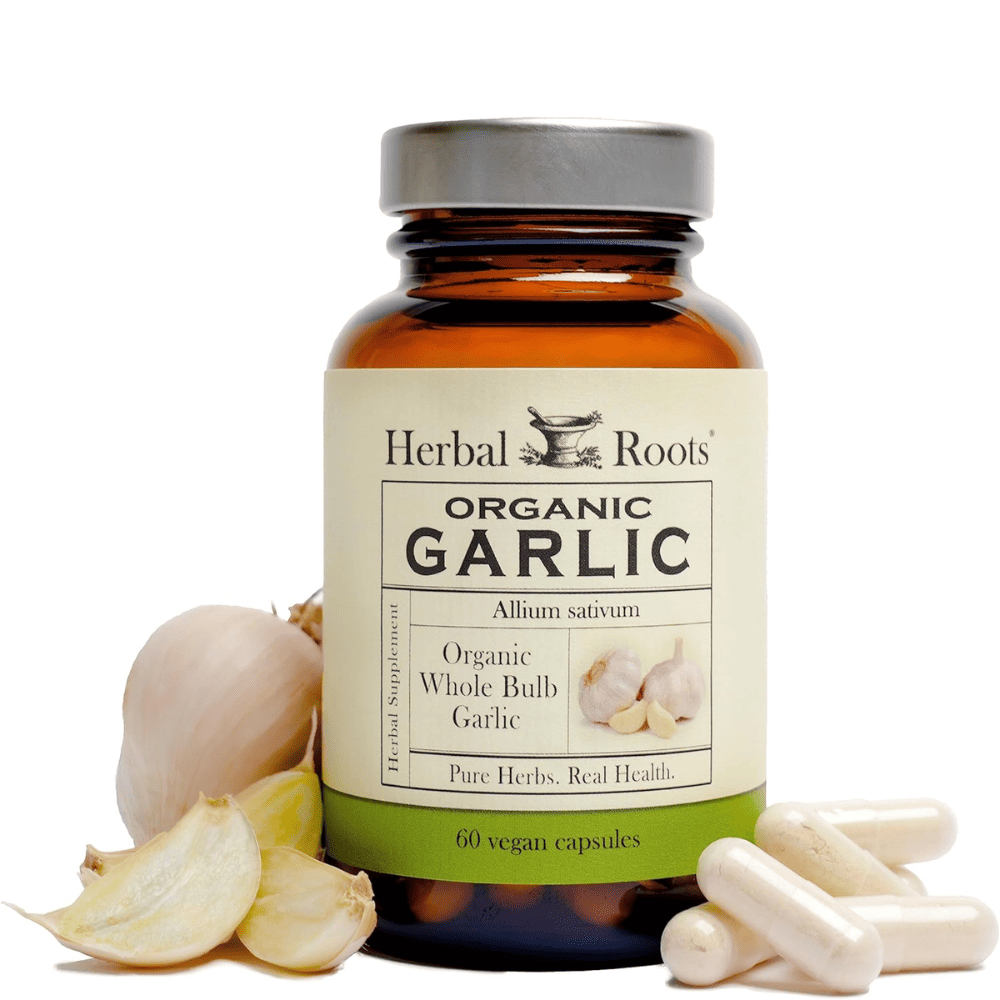
Garlic Capsules
Enteric-coated garlic capsules are designed to survive stomach acid and release allicin in the intestines, where most parasites reside. Look for products standardized to contain at least 5,000 mcg of allicin potential per dose. Follow the manufacturer's dosage instructions, typically 1–2 capsules taken 2–3 times daily with meals.
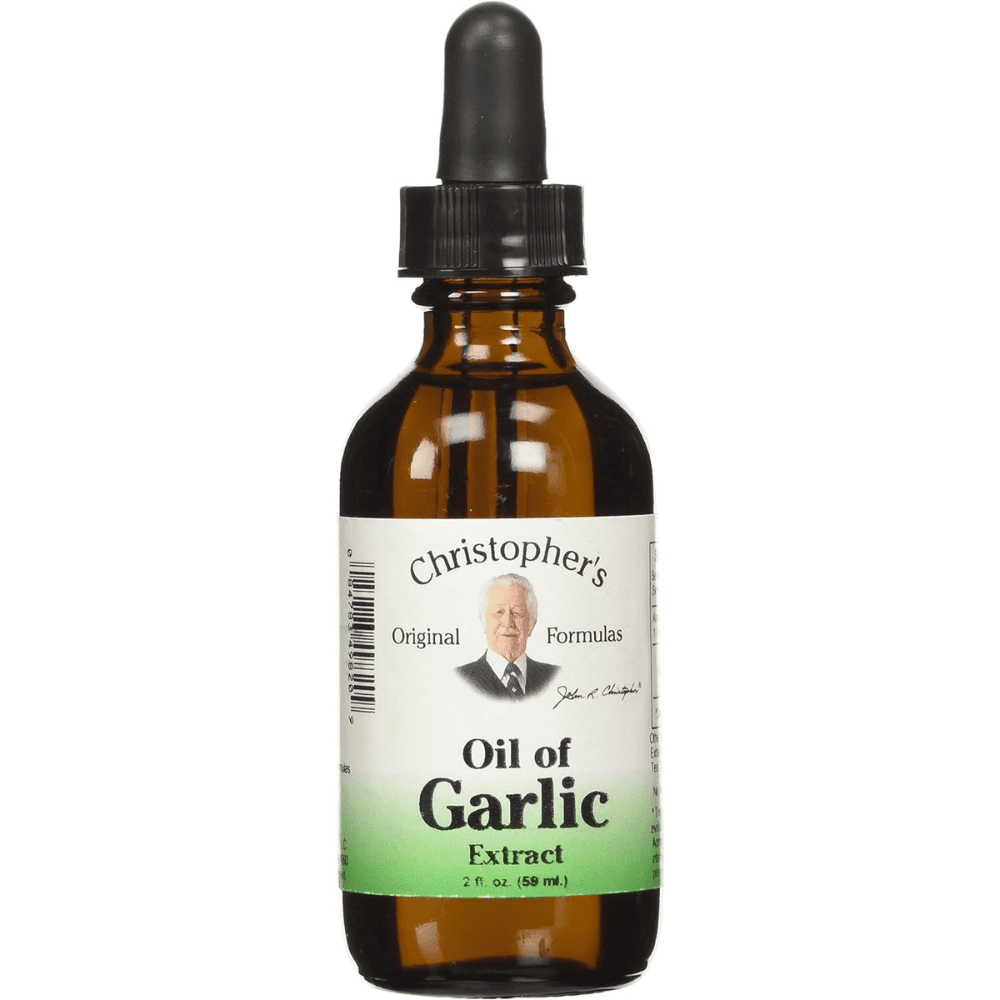
Garlic Oil
Garlic oil contains fat-soluble sulfur compounds (DADS, DATS, ajoene) rather than allicin, since allicin does not survive the oil extraction process. These compounds still have antiparasitic activity but work through slightly different mechanisms. Take garlic oil capsules according to the product label, usually 1–2 capsules with meals.
Timing and Duration
For a parasite cleanse, most practitioners recommend 2–4 weeks of consistent daily garlic use. Take garlic on an empty stomach for maximum potency — first thing in the morning and 30 minutes before dinner are common schedules. If raw garlic causes stomach upset, take it with a small amount of food.
Some protocols recommend cycling garlic: 2 weeks on, 1 week off, then 2 more weeks on. This cycling approach targets parasites at different stages of their life cycle.
Safety and Side Effects
Garlic is one of the safest medicinal foods available, but therapeutic doses are higher than culinary amounts and carry some considerations.
Gastrointestinal effects. Raw garlic can cause heartburn, nausea, gas, and bloating, especially on an empty stomach. Starting with 1 clove per day and gradually increasing helps minimize these effects. Taking garlic with a small amount of food reduces GI irritation while maintaining most of its antiparasitic activity.
Blood-thinning properties. Garlic inhibits platelet aggregation through its effects on thromboxane and ADP pathways. People taking warfarin, heparin, aspirin, or clopidogrel should consult their doctor before using therapeutic doses of garlic. Discontinue garlic supplements at least 7–10 days before surgery.
Blood sugar effects. Garlic may lower blood glucose levels. People with diabetes who take insulin or oral hypoglycemic agents should monitor their blood sugar more frequently when adding garlic supplementation.
Drug interactions. Garlic may reduce the effectiveness of certain HIV medications (saquinavir) and some immunosuppressants (cyclosporine). It may also increase the effects of blood pressure medications. Discuss garlic supplementation with your pharmacist if you take any prescription medications.
Allergic reactions. Though uncommon, some people are allergic to garlic and may experience skin rashes, breathing difficulty, or anaphylaxis. People with known allium allergies (onions, leeks, chives) should use caution.
Pregnancy and breastfeeding. Garlic in food amounts is safe during pregnancy. Therapeutic doses have not been extensively studied in pregnant women and should be avoided or used only under medical supervision. Garlic compounds pass into breast milk and may cause colic in sensitive infants.
Does Garlic Kill Parasites? What the Research Shows
The question "does garlic kill parasites?" is one of the most searched queries about natural antiparasitic remedies. The answer is nuanced: garlic has demonstrated genuine antiparasitic activity in clinical studies, but its effectiveness varies by parasite type.
Garlic vs. Pinworms
Pinworms (Enterobius vermicularis) are the most common helminth infection in the United States. No clinical trial has specifically tested garlic against pinworms. The traditional folk remedy of applying garlic externally to the perianal area is based on anecdotal reports, not clinical evidence.
For pinworms, over-the-counter pyrantel pamoate remains the most reliable treatment — two doses, two weeks apart, with simultaneous treatment of all household members. Garlic may provide general immune support during treatment but should not be the primary intervention.
Some parents apply a small amount of coconut oil mixed with crushed garlic externally around the anus to soothe nighttime itching. This is a comfort measure, not a cure. If you suspect pinworms in your child, get a proper diagnosis (tape test) and use the appropriate medication.
Garlic vs. Tapeworms
The evidence here is stronger. The Soffar and Mokhtar (1991) clinical study demonstrated that garlic extract eliminated Hymenolepis nana (dwarf tapeworm) in human subjects, with stool samples negative for eggs at follow-up.
For larger tapeworm species (Taenia solium, Taenia saginata), prescription praziquantel remains the gold standard. These tapeworms can grow several meters long and may have complications (particularly T. solium, which can cause cysticercosis). Do not rely on garlic alone for confirmed tapeworm infections — see a doctor.
However, garlic can be a valuable part of a comprehensive protocol:
- Use alongside pumpkin seeds (cucurbitacin paralyzes tapeworms) and wormwood (shown comparable to praziquantel in a 2018 study)
- Continue garlic supplementation after pharmaceutical treatment to support prevention of reinfection
- The Abdel-Ghaffar et al. (2011) study confirmed that garlic extract caused significant damage to tapeworm tegument (outer body wall) in vitro
Garlic vs. Protozoa (Giardia, Cryptosporidium, Entamoeba)
This is where garlic shines brightest. The clinical evidence for garlic against protozoan parasites is the strongest of any natural remedy:
- Giardia lamblia: 24-48 hour symptom resolution, 72-hour stool clearance in the 1991 clinical study
- Cryptosporidium: A 2023 study demonstrated garlic extract activity against Cryptosporidium in vitro
- Entamoeba histolytica: Ankri and Mirelman (1999) confirmed allicin's activity against the amoebic dysentery parasite at concentrations achievable through dietary garlic
For mild Giardia infections, garlic may be a reasonable first-line natural approach, given that it has human clinical data with results comparable to metronidazole. For more severe infections or other protozoa, combine garlic with medical treatment.
Frequently Asked Questions
How much garlic do I need to eat daily for antiparasitic effects?
Most studies showing antiparasitic activity used the equivalent of 2–4 fresh cloves per day (roughly 4–8 grams of fresh garlic). The Soffar and Mokhtar study used aqueous extract dosed at 1 mg/kg body weight twice daily, which corresponds roughly to 2–3 cloves for an average adult. More is not necessarily better — exceeding 4 cloves daily significantly increases the risk of GI side effects without clear evidence of additional benefit.
Does cooked garlic still work against parasites?
Cooking significantly reduces garlic's antiparasitic potency. Allicin is heat-sensitive and begins degrading at temperatures above 140°F (60°C). After 10 minutes of cooking, most of the allicin is destroyed. However, some stable sulfur compounds (DADS, DATS) survive cooking and retain modest antimicrobial activity. For antiparasitic purposes, raw garlic is strongly preferred. If you cannot tolerate raw garlic, lightly cooked garlic (added at the very end of cooking) retains more active compounds than garlic that has been sautéed or roasted.
Can garlic cause a Herxheimer (die-off) reaction?
Yes. When garlic kills a large number of parasites or pathogenic organisms quickly, the release of toxins from dying organisms can temporarily worsen symptoms — fatigue, headaches, body aches, digestive upset, and skin breakouts. This is sometimes called a Herxheimer reaction or "die-off." Starting with a low dose (1 clove per day) and gradually increasing helps reduce the intensity of die-off symptoms. Staying well hydrated and supporting liver detoxification also helps.
Is garlic effective against all types of parasites?
Garlic shows broad-spectrum activity but is strongest against intestinal protozoa (Giardia, Entamoeba) and intestinal worms (tapeworms, roundworms). It is less effective against tissue-dwelling parasites that the garlic compounds cannot easily reach, such as Toxoplasma in brain tissue or Trichinella encysted in muscle. For these deeper infections, pharmaceutical treatment is typically necessary.
When to See a Doctor
Garlic is a powerful supportive remedy, but it is not a substitute for professional medical evaluation and treatment of parasitic infections. Seek medical attention if you experience:
- Diarrhea lasting more than 3 days, especially if watery or explosive
- Blood, mucus, or visible worms in your stool
- Fever above 101°F (38.3°C) accompanying GI symptoms
- Unexplained weight loss of more than 5 pounds
- Severe abdominal pain or tenderness
- Jaundice (yellowing of the skin or eyes)
- Symptoms that do not improve after 2 weeks of natural treatment
A healthcare provider can run diagnostic tests — ova and parasite stool examination, antigen tests, blood panels for eosinophilia — to identify the specific organism involved. Certain parasitic infections, particularly those caused by Entamoeba histolytica (amoebic liver abscess), Strongyloides (hyperinfection risk), or Plasmodium (malaria), require prescription antiparasitic medications and medical monitoring.
This article is for informational purposes only and does not constitute medical advice. Always consult a qualified healthcare provider before starting any parasite cleanse protocol, especially if you are pregnant, nursing, taking medications, or have a pre-existing health condition.
Part of: Herbs & Botanicals | Anti-Parasitic Foods
Recommended Products
As an Amazon Associate and affiliate partner, we earn from qualifying purchases. Product recommendations are based on research and editorial judgment, not compensation.
References
- Antimicrobial properties of allicin from garlic
- Garlic extract vs Giardia and Hymenolepis nana in humans (1991)
- Garlic extract activity against Cryptosporidium (2023)
- Garlic vs Trypanosoma and Leishmania parasites
- Garlic supplementation reducing T. cruzi burden (2019)
- Despommier's Parasitic Diseases, 8th Edition
- CDC Parasites
Get the Free 30-Day Parasite Cleanse Plan
Evidence-based protocols, supplement schedules, and dietary guidance delivered to your inbox.