Black Walnut for Parasite Cleanse
Last reviewed: 2026-03-18
Medical Disclaimer
This content is for informational purposes only and does not constitute medical advice. Consult a qualified healthcare provider before starting any treatment, supplement, or cleanse program. If you suspect a parasitic infection, seek professional medical diagnosis.
Prized for centuries in Native American medicine, black walnut hull's rich tannins and juglone create a powerful anti-parasitic action -- making it a key element of the classic parasite cleanse triad alongside wormwood and cloves. The green hull (outer casing) of the unripe nut is the medicinally active part, and its deep brown-black staining pigment is directly tied to the compounds that kill parasites.
What Is Black Walnut?
Black walnut (Juglans nigra) is a large deciduous tree native to the eastern United States and southern Ontario, Canada. It grows 75-100 feet tall and produces round, thick-husked nuts encased in a green outer hull that turns dark brown to black as it ripens. The tree belongs to the Juglandaceae family, which also includes English walnut, butternut, and hickory.
The medicinal part is the green hull -- the fleshy outer casing harvested while still unripe (green to early brown stage). This hull contains the highest concentration of active compounds. Once the hull turns fully black and dry, much of the medicinal potency has degraded through oxidation.
Black walnut is one of the most allelopathic trees in North America. It produces juglone, a chemical compound that inhibits the growth of many other plants within its root zone. This same chemical warfare capability that the tree uses against competing vegetation is what makes black walnut effective against parasites, bacteria, and fungi in the human body.
Native American tribes -- particularly the Cherokee, Comanche, and Iroquois -- used black walnut extensively in their medicine. The Cherokee used bark infusions as a cathartic and the hull juice to treat ringworm. The Comanche applied hull poultices to fungal skin infections. The Iroquois used the bark tea for intestinal complaints and parasitic infections. European settlers adopted many of these practices and integrated black walnut into the American herbal pharmacopoeia by the 18th century.
In the modern herbal medicine revival, Dr. Hulda Clark popularized the combination of black walnut hull, wormwood, and cloves as a parasite cleanse protocol in the 1990s. While some of Clark's broader claims remain controversial, the "Clark protocol" brought black walnut into mainstream awareness and the triad combination remains the most widely recognized herbal parasite cleanse formula today.
Anti-Parasitic Properties
Black walnut hull owes its anti-parasitic effects to several bioactive compounds working through different mechanisms.
Juglone (5-hydroxy-1,4-naphthoquinone) is the signature compound. It is a naphthoquinone -- a class of chemicals with well-documented antimicrobial and anti-parasitic properties. Juglone works by inhibiting certain metabolic enzymes that parasites need for energy production and cellular respiration. Specifically, it interferes with the electron transport chain, disrupting the parasite's ability to produce ATP (cellular energy). Without adequate energy production, parasites weaken and die.
Juglone also generates reactive oxygen species (free radicals) within parasite cells, causing oxidative damage to their DNA, proteins, and lipid membranes. This mechanism is similar to how some pharmaceutical anti-parasitic drugs work.
Tannins are present in high concentration in black walnut hulls (up to 15-20% by dry weight). These large polyphenolic molecules work by precipitating proteins -- essentially binding to proteins in the parasite's outer membrane and digestive enzymes, denaturing them and disrupting normal function. Tannins also have a strong astringent effect on the intestinal lining, tightening the mucosa and making it harder for parasites to attach and feed.
A 2008 study in Fitoterapia confirmed the antibacterial activity of tannin constituents from Juglans nigra, demonstrating dose-dependent inhibition of bacterial growth. While this study focused on bacteria, the protein-precipitating mechanism applies equally to parasitic organisms.
Iodine: Black walnut hull is a natural source of organic iodine. Iodine has inherent antiseptic properties and supports thyroid function, which governs metabolic rate and immune competence. Many people with chronic parasitic infections also have suboptimal thyroid function, and the iodine in black walnut may provide secondary support.
Essential fatty acids: The hull contains linolenic and linoleic acids, which have their own mild anti-parasitic properties and support the integrity of the intestinal barrier.
The combination of these compounds means black walnut attacks parasites through multiple pathways simultaneously: metabolic disruption via juglone, structural damage via tannins, and immune support via iodine. This multi-pronged approach makes it difficult for parasites to develop resistance.
Scientific Evidence
While black walnut has a long ethnobotanical history, the formal clinical research is more limited than some other anti-parasitic herbs. The evidence base includes in vitro studies, antimicrobial testing, and a strong body of ethnopharmacological documentation.
A 1997 study published in the American Journal of Chinese Medicine investigated the antimicrobial activity of walnut (Juglans regia, a close relative of Juglans nigra). The study found significant antibacterial and antifungal activity in the extract, supporting the traditional use of Juglans species against infectious organisms. The active compounds identified (juglone and related naphthoquinones) are shared between J. regia and J. nigra, with J. nigra generally having higher concentrations.
Research on juglone specifically has demonstrated activity against several parasitic organisms in laboratory settings. Studies on naphthoquinone compounds (the chemical class to which juglone belongs) have shown efficacy against Trypanosoma, Leishmania, and Plasmodium species. While these studies often use isolated juglone rather than crude black walnut extract, they validate the anti-parasitic mechanism of the key active compound.
A 2017 study published in the International Journal of Food Properties analyzed the phenolic acid and flavonoid profiles of Juglans nigra extracts, confirming high concentrations of gallic acid, ellagic acid, and other bioactive polyphenols with documented antioxidant and antimicrobial properties.
The tannin content of black walnut has been independently confirmed to have protein-precipitating activity sufficient to disrupt biological membranes. This mechanism has been studied extensively in the context of anthelmintic activity of tannin-rich plants, with multiple veterinary studies demonstrating that high-tannin forages reduce worm burdens in livestock.
The ethnobotanical record is extensive. Black walnut hull has documented use as an anthelmintic across multiple Native American nations spanning centuries. The consistency of this use across geographically separate populations strongly supports its efficacy, as independent discovery by multiple cultures is one of the strongest indicators of genuine biological activity in ethnobotany.
Parasites Targeted
Based on traditional use and the known mechanisms of its active compounds, black walnut hull is used against:
- Tapeworms (Taenia species) -- one of the strongest traditional indications
- Pinworms (Enterobius vermicularis) -- a common application in folk medicine
- Roundworms (Ascaris lumbricoides) -- traditional use across multiple cultures
- Hookworms -- traditional use, supported by the tannin-based mechanism
- Ringworm (a fungal infection, not a true worm) -- black walnut hull applied topically is a well-documented folk treatment for dermatophyte infections
- Giardia and other protozoa -- juglone's mechanism of action (electron transport chain disruption) applies to protozoal parasites
- Candida albicans -- antifungal activity is well-documented and relevant because candida overgrowth frequently accompanies parasitic infections
Black walnut is most commonly used as part of the triad formula (black walnut + wormwood + cloves) rather than as a standalone treatment. The rationale is that black walnut and wormwood target adult parasites and larvae, while cloves target eggs -- covering the full lifecycle.
How to Use Black Walnut
The green hull is the medicinally active part. It is available in several preparations.
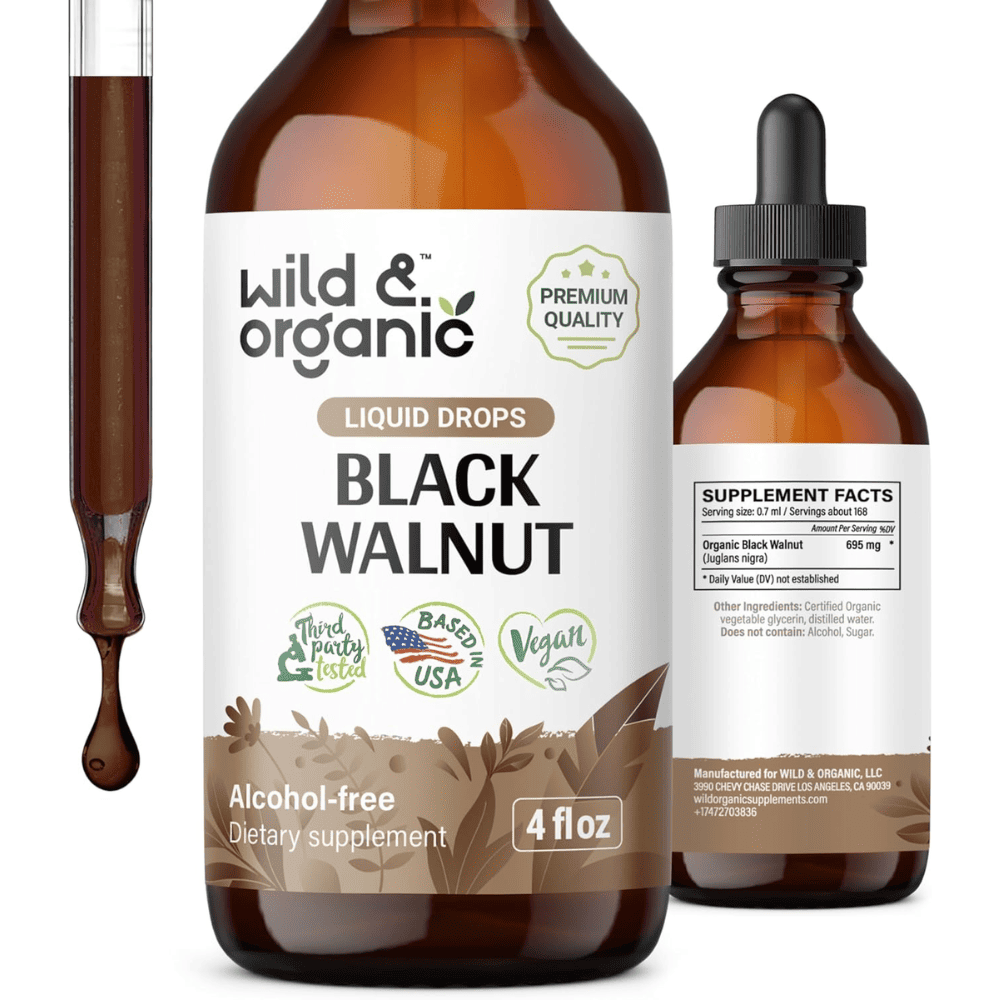
Tincture (liquid extract): The most popular form. Quality tinctures are made from green (unripe) hulls harvested before they turn brown. The liquid should be dark greenish-brown to near black. Standard dosing: 20-40 drops (approximately 1-2 mL) in water, 2-3 times daily on an empty stomach. Start with a lower dose and increase gradually.
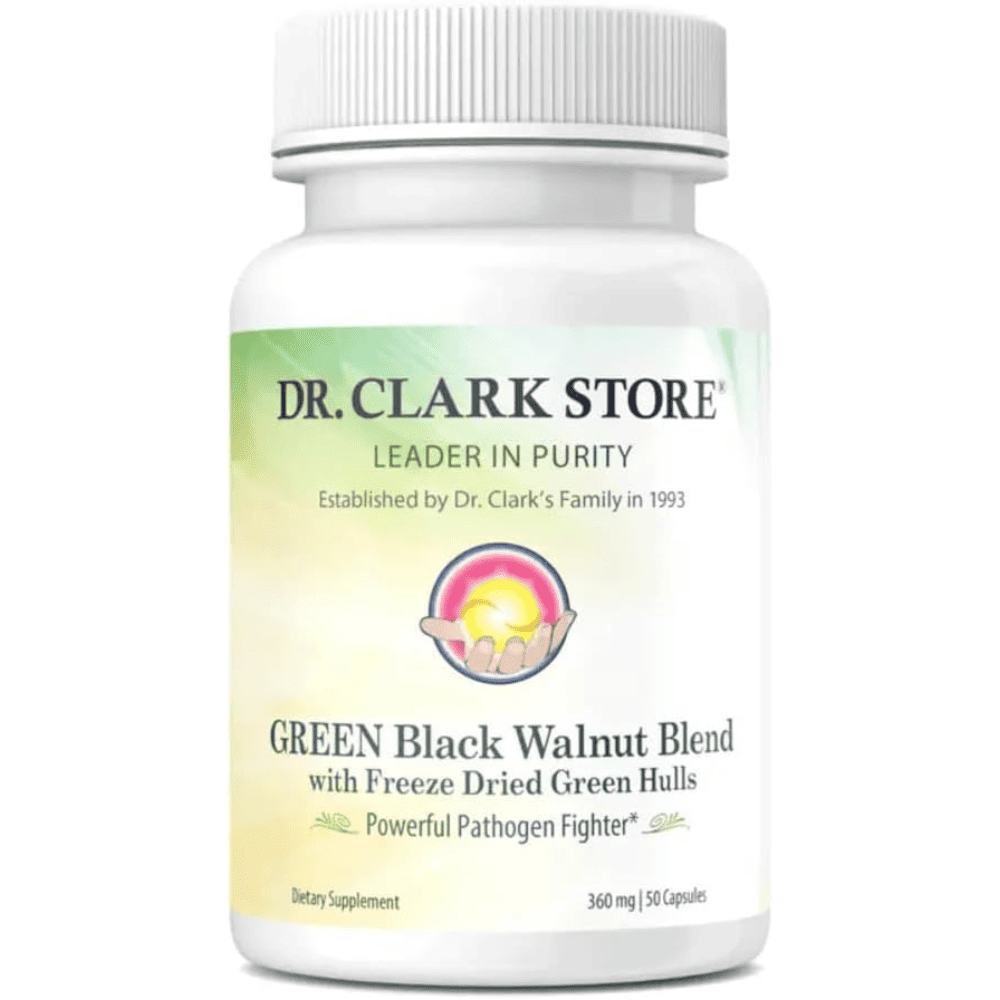
Capsules: Convenient and taste-neutral. Typical dosing is 500-1,000 mg of dried hull powder, 2-3 times daily. Look for products specifying "green hull" or "green black walnut hull" -- preparations from mature (dark) hulls have reduced potency.
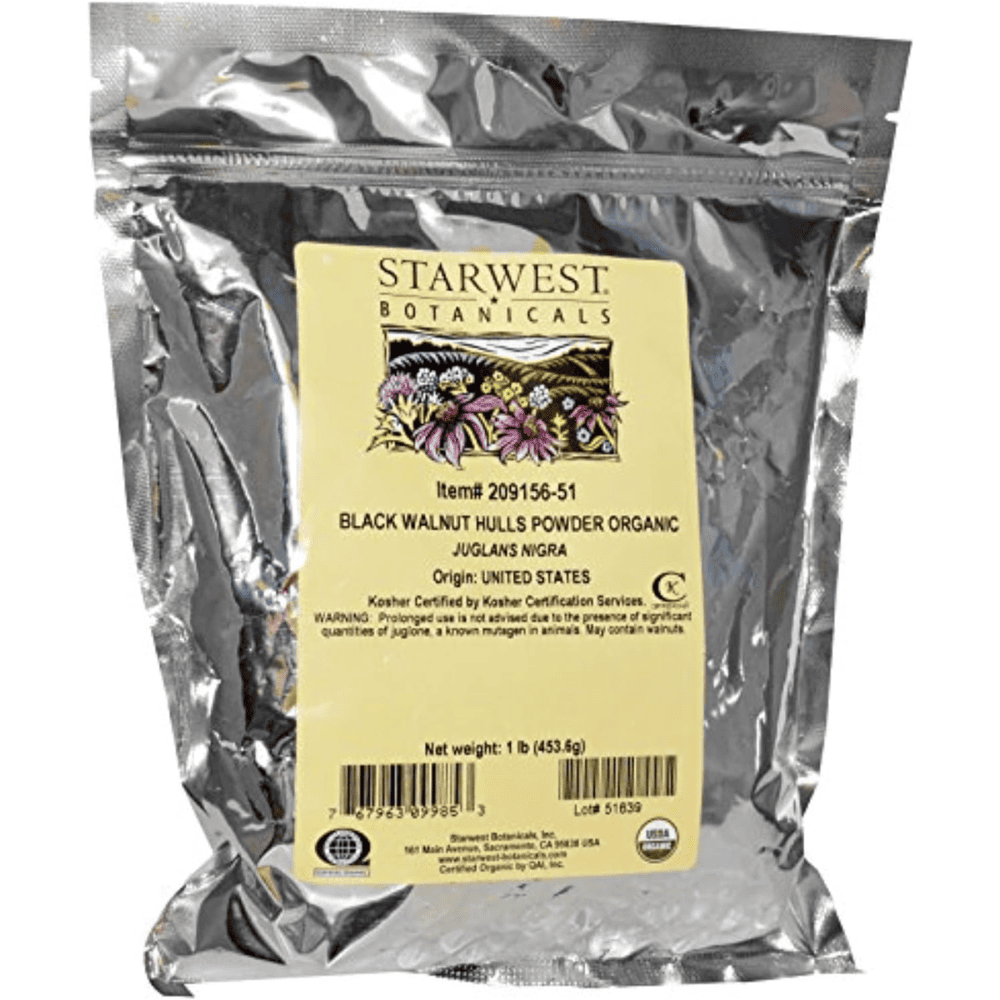
Powder: Can be mixed into smoothies, teas, or water. Use 1/4 to 1/2 teaspoon, 2-3 times daily. The powder has a distinctive earthy, slightly bitter flavor.
Topical application: For ringworm and fungal skin infections, black walnut tincture can be applied directly to the affected area using a cotton ball, 2-3 times daily. The dark color will stain skin temporarily (it washes off over time).
As part of the classic triad protocol: A common practitioner-recommended protocol is:
- Black walnut hull tincture: Start with 1 drop on day 1, increase by 1 drop per day until reaching 20 drops, then maintain for 2 weeks
- Wormwood capsules: 200-300 mg, 3 times daily
- Clove capsules: 500 mg, 3 times daily
- Total protocol duration: 2-4 weeks, with a 1-2 week rest before repeating
Timing: Take on an empty stomach for best absorption. 30 minutes before meals is standard. The tannins in black walnut can interfere with nutrient absorption from food if taken together.
Freshness matters: Juglone degrades through oxidation. Tinctures made from fresh green hulls and stored in dark glass bottles retain potency longest. Check for an expiration date and store away from heat and light.
Safety and Side Effects
Black walnut hull is generally well-tolerated at recommended doses for short-term use, but several precautions apply.
Digestive effects: The high tannin content can cause stomach upset, nausea, or constipation in some people. Tannins are astringent and can dry out the intestinal mucosa with prolonged use. This is one reason black walnut cleanses are typically limited to 2-4 weeks.
Staining: Black walnut hull will stain skin, clothes, countertops, and anything else it contacts. Handle tinctures carefully. Skin staining is harmless and fades within days.
Pregnancy and breastfeeding: Black walnut hull is contraindicated during pregnancy. It has been traditionally classified as a uterine stimulant. It should also be avoided during breastfeeding due to insufficient safety data.
Nut allergies: Despite its name, black walnut hull allergy is distinct from tree nut allergy (which is primarily triggered by nut proteins). However, people with known walnut allergies should exercise caution and consult an allergist. The hull is a different plant tissue than the nut meat, but cross-contamination is possible in commercial products.
Drug interactions: The tannins in black walnut can bind to medications and reduce their absorption. Separate black walnut doses from any prescription medications by at least 2 hours. Black walnut may also affect blood sugar levels and interact with diabetes medications.
Juglone toxicity: In very high doses, juglone can be toxic to liver and kidney cells. This is not a concern at standard supplemental doses, but exceeding recommended amounts or using black walnut continuously for months is not advisable.
Iron and mineral absorption: Tannins bind to iron and other minerals, reducing absorption. If you are anemic or taking iron supplements, separate dosing by at least 2 hours. Long-term use could theoretically contribute to mineral deficiencies.
Thyroid considerations: The iodine content in black walnut hull can affect thyroid function. People with thyroid conditions (especially hyperthyroidism or Hashimoto's thyroiditis) should consult their doctor before use.
Frequently Asked Questions
What makes the green hull better than the mature (black) hull? The green hull contains the highest concentration of juglone and other active compounds. As the hull matures and darkens, juglone oxidizes into less active forms. This is visibly obvious -- the same oxidation reaction that turns the hull black is degrading the medicinal compounds. Quality products are made from hulls harvested at the green stage and processed quickly to preserve potency.
Can I harvest my own black walnut hulls? Yes, if you have access to a black walnut tree. Harvest the nuts in early fall when the hulls are still green (before they start turning brown). Wear gloves -- the hull juice stains intensely. To make a tincture, slice the green hulls and cover with high-proof vodka or grain alcohol in a glass jar. Let it steep for 4-6 weeks in a dark place, shaking daily. Strain and store in dark glass bottles. Freshness is the main advantage of homemade preparations.
How is black walnut different from English walnut for parasites? Black walnut (Juglans nigra) has significantly higher concentrations of juglone and tannins compared to English walnut (Juglans regia). While English walnut has some antimicrobial activity, black walnut is the species used in anti-parasitic herbalism. The darker staining power of black walnut hulls is a visible indicator of its higher juglone content.
Why is black walnut always combined with wormwood and cloves? The combination targets parasites at different life stages. Black walnut hull (juglone and tannins) and wormwood (thujone and sesquiterpene lactones) kill adult worms and larvae through different mechanisms. Cloves contain eugenol, which has been shown to destroy parasite eggs. Using all three together provides lifecycle coverage -- adults, larvae, and eggs -- reducing the chance of reinfestation from surviving eggs hatching after the adults are eliminated.
When to See a Doctor
Black walnut hull is a traditional remedy with a strong ethnobotanical history, but it does not replace medical diagnosis and treatment. Consult a healthcare provider if:
- You suspect a parasitic infection -- proper stool testing identifies the specific organism, which guides the most effective treatment
- You experience severe or worsening symptoms during a cleanse, including intense abdominal pain, high fever, or bloody stools
- You have a pre-existing liver or kidney condition (juglone is metabolized by these organs)
- You take prescription medications, especially anticoagulants, diabetes drugs, or thyroid medications
- Symptoms persist after completing a full cleanse cycle
- You are dealing with a systemic (non-intestinal) parasitic infection, which typically requires pharmaceutical treatment
A stool ova and parasite (O&P) test, collected on 3 separate days, is the standard diagnostic approach. Blood tests (complete blood count with differential) may show elevated eosinophils, which can indicate parasitic infection. Some parasitic infections require imaging (ultrasound, CT) for diagnosis. Your doctor can determine the appropriate treatment plan, and herbal protocols like the black walnut triad can often be used as a complementary approach with medical supervision.
This content is for educational purposes only and is not intended as medical advice. Always consult a qualified healthcare provider before starting any supplement or cleanse protocol.
Part of: Herbs & Botanicals
Recommended Products
As an Amazon Associate and affiliate partner, we earn from qualifying purchases. Product recommendations are based on research and editorial judgment, not compensation.
References
Get the Free 30-Day Parasite Cleanse Plan
Evidence-based protocols, supplement schedules, and dietary guidance delivered to your inbox.