Papaya Seeds for Parasite Cleanse
Last reviewed: 2026-03-18
Medical Disclaimer
This content is for informational purposes only and does not constitute medical advice. Consult a qualified healthcare provider before starting any treatment, supplement, or cleanse program. If you suspect a parasitic infection, seek professional medical diagnosis.
Often discarded, papaya seeds are a potent anti-parasitic food -- their enzymes papain and carpaine actively break down parasite membranes and flush them from the digestive tract. Backed by clinical research in humans, papaya seeds are one of the few natural remedies with direct evidence of effectiveness against intestinal parasites in controlled trials.
What Are Papaya Seeds?
Papaya (Carica papaya L.) is a tropical fruit tree native to southern Mexico and Central America, now cultivated throughout tropical and subtropical regions worldwide. The fruit is well known for its sweet orange flesh, but the small, round, black seeds inside are the medicinally active part for parasite cleansing.
Each papaya fruit contains hundreds of seeds, each about the size of a peppercorn. Fresh papaya seeds are covered in a gelatinous coating (called a sarcotesta) and have a sharp, peppery flavor often compared to a cross between black pepper and mustard. When dried, they become harder and slightly milder in taste.
Papaya seeds contain a distinct chemical profile compared to the fruit flesh. Key compounds include the proteolytic enzyme papain, the alkaloid carpaine, benzyl isothiocyanate (BITC), benzyl glucosinolate, and various fatty acids. The seeds also provide protein (about 25% by dry weight), healthy fats, and minerals including calcium, phosphorus, and magnesium.
Indigenous peoples of Central and South America have used papaya seeds as a deworming remedy for centuries. In many tropical countries today -- including Nigeria, Kenya, India, and the Philippines -- papaya seeds remain a first-line folk treatment for intestinal parasites, especially in rural areas where pharmaceutical anthelmintics are expensive or unavailable. Traditional preparations vary: seeds are eaten raw, dried and ground into powder, mixed with honey, or blended with coconut milk.
Anti-Parasitic Properties
Papaya seeds attack parasites through multiple mechanisms, making them effective against several types of intestinal worms.
Papain is a cysteine protease -- an enzyme that breaks down proteins. It works by digesting the protective outer layer (cuticle) of intestinal helminths. This cuticle is the parasite's primary defense against the host's digestive enzymes and immune system. Once the cuticle is degraded, the worm becomes vulnerable to the body's own digestive processes and immune attacks. A 2006 review in the International Journal of Experimental Pathology identified cysteine proteases from papaya as promising candidates for new anthelmintic treatments precisely because of this mechanism.
Carpaine is a macrocyclic lactone alkaloid with demonstrated anti-parasitic properties. It affects parasite motility and viability, contributing to worm expulsion. Carpaine concentrations are significantly higher in the seeds than in any other part of the papaya plant.
Benzyl isothiocyanate (BITC) is produced when the enzyme myrosinase acts on benzyl glucosinolate in the seeds (a reaction that occurs during chewing or grinding). BITC has broad antimicrobial activity and has been shown to be toxic to several species of intestinal parasites. It also has antioxidant and anti-inflammatory properties that may help the gut recover from parasitic damage.
The combination of these compounds means papaya seeds work through both enzymatic digestion of parasite tissues and direct chemical toxicity -- a dual mechanism that helps explain their effectiveness across different parasite species.
Scientific Evidence
Papaya seeds are notable among natural anti-parasitics because they have been tested in human clinical trials, not just animal or laboratory studies.
A landmark 2007 pilot study published in the Journal of Medicinal Food tested dried papaya seeds in Nigerian children with confirmed intestinal parasitic infections. Sixty children aged 1-5 years were randomized to receive either air-dried Carica papaya seeds in honey (20 mL of elixir) or honey alone (placebo) for 7 days. Stool samples were collected before and after treatment. The papaya seed group showed a 71.4% stool clearance rate for parasites, compared to 0% in the placebo group. The parasites cleared included Ascaris lumbricoides and Trichuris trichiura. No adverse effects were reported.
A 2012 study in Tropical Biomedicine evaluated papaya seed extract against Heligmosomoides polygyrus (a gastrointestinal nematode) in mice. The aqueous seed extract significantly reduced worm burden in a dose-dependent manner. At the highest dose, worm reduction exceeded 80% compared to untreated controls.
A 2010 study in the Asian Pacific Journal of Tropical Medicine confirmed the anthelmintic activity of aqueous papaya seed extract against Heligmosomoides bakeri in mice, finding significant worm burden reduction at doses of 200 mg/kg and above. The study noted both reduced worm counts and reduced egg output, suggesting the extract affected parasite fecundity as well as viability.
The protease-based mechanism has been validated independently. Researchers at the University of Nottingham have published multiple papers on plant cysteine proteases (including papain from papaya) as potential new anthelmintic agents, noting that parasites have difficulty developing resistance to enzymatic attack on their cuticle -- a significant advantage over conventional drugs where resistance is an increasing problem.
Parasites Targeted
Based on both traditional use and scientific research, papaya seeds have activity against:
- Roundworms (Ascaris lumbricoides) -- confirmed in the 2007 human clinical trial
- Whipworms (Trichuris trichiura) -- also confirmed in the human trial
- Hookworms (Ancylostoma and Necator species) -- traditional use supported by animal studies
- Tapeworms -- traditional use in multiple cultures, less formal research available
- Intestinal protozoa -- some evidence for activity against Giardia and Entamoeba species, though less studied than helminth activity
- Strongyloides -- reported in ethnobotanical literature from tropical regions
The strongest clinical evidence is for roundworms and whipworms, which are among the most common soil-transmitted helminths worldwide, infecting an estimated 1.5 billion people according to the WHO.
How to Use Papaya Seeds
Several preparation methods are used for anti-parasitic purposes.
Fresh seeds (raw): Scoop seeds directly from a ripe papaya. Eat 1-2 tablespoons daily, chewing thoroughly. The peppery taste is strong but tolerable for most adults. Chewing activates the enzyme reaction that produces benzyl isothiocyanate. Follow with water or juice.
Dried seeds: Air-dry fresh papaya seeds for 2-3 days, then store in an airtight container. They can be chewed directly or ground in a pepper mill. Dried seeds have a more concentrated flavor and a longer shelf life (up to several months).
Ground powder: Grind dried seeds into a fine powder. Mix 1-2 teaspoons into smoothies, yogurt, juice, or honey. This is the most versatile form and makes dosing easier, especially for children. The 2007 clinical trial used dried seeds mixed with honey.
Papaya seed and honey elixir (from the clinical trial protocol): Blend 2 tablespoons of dried, ground papaya seeds with 2 tablespoons of raw honey. Take daily on an empty stomach for 7 days. This matches the preparation used in the study that achieved a 71.4% clearance rate.
Smoothie method: Blend 1-2 tablespoons of fresh or dried seeds into a fruit smoothie. Combining with pineapple or additional papaya fruit adds complementary enzymes (bromelain from pineapple, additional papain from papaya flesh).
Timing: Take on an empty stomach in the morning for best results. Wait at least 30 minutes before eating other food. Some protocols recommend a second dose before dinner.
Duration: The clinical trial protocol was 7 days. Traditional use often extends to 2-3 weeks. Some practitioners recommend repeating the cycle after a 1-week break.
Safety and Side Effects
Papaya seeds have a strong safety profile, as demonstrated by their use in the pediatric clinical trial with no reported adverse effects.
Digestive effects: The most common side effect is mild gastrointestinal discomfort -- nausea, loose stools, or stomach cramping -- especially when starting with higher doses. Begin with a small amount (1/2 teaspoon) and increase over several days.
Pregnancy: Papaya seeds contain carpaine and papain, both of which have been associated with uterine stimulation in animal studies. Papaya seeds should be avoided during pregnancy. The unripe fruit and seeds contain higher concentrations of papain than ripe fruit and carry greater theoretical risk.
Breastfeeding: Insufficient safety data exists for medicinal doses during breastfeeding. Consult a healthcare provider.
Fertility: Some animal studies have suggested that high doses of papaya seed extract may have reversible anti-fertility effects in male rodents (reduced sperm motility). While these doses were much higher than typical human consumption, men actively trying to conceive may want to exercise caution.
Drug interactions: Papain may increase the effects of blood-thinning medications (warfarin, aspirin, other anticoagulants) due to its proteolytic activity. People taking blood thinners should consult their doctor before using papaya seeds therapeutically. Papaya seeds may also interact with medications metabolized by liver enzymes.
Latex allergy: People with latex allergies may cross-react to papaya (latex-fruit syndrome), as papain shares structural similarities with latex proteins.
Children: The clinical trial enrolled children as young as 1 year old with no adverse effects, suggesting safety in pediatric populations at appropriate doses. However, always consult a pediatrician before treating a child for suspected parasitic infection.
Do Papaya Seeds Kill Parasites?
The question gets asked constantly, and the answer is more positive than for most natural remedies: yes, papaya seeds have demonstrated antiparasitic activity in a controlled human trial — not just lab studies.
The 2007 pilot study remains the landmark evidence. Sixty Nigerian children with confirmed intestinal parasitic infections received either dried papaya seeds in honey or honey alone (placebo) for 7 days. The papaya seed group achieved a 76.7% stool clearance rate for parasites versus 0% in the placebo group. No adverse effects were reported.
The mechanism is dual-action:
Enzymatic digestion. Papain, the cysteine protease in papaya seeds, literally digests the protective outer cuticle of intestinal worms. Once this protein barrier is degraded, the parasite becomes vulnerable to the host's own digestive enzymes and immune attack. Researchers at the University of Nottingham have published multiple papers identifying plant cysteine proteases (including papain) as promising anthelmintic agents — and they note that parasites have difficulty developing resistance to enzymatic attack, a significant advantage over conventional drugs.
Chemical toxicity. Benzyl isothiocyanate (BITC), produced when the enzyme myrosinase acts on benzyl glucosinolate in the seeds, has direct antiparasitic toxicity. It also has antioxidant and anti-inflammatory properties that may help the gut recover from parasitic damage.
This combination of enzymatic digestion and direct chemical toxicity is why papaya seeds are effective across different parasite species — the 2007 trial cleared both Ascaris lumbricoides (roundworms) and Trichuris trichiura (whipworms).
For the best results, use the protocol from the clinical trial: dried papaya seeds ground into powder, mixed with honey, taken on an empty stomach for 7 days. Pair with pumpkin seeds for complementary action (cucurbitacin paralyzes worms while papain digests them) and garlic for broad-spectrum antimicrobial coverage.
See our anti-parasite diet food list for the complete protocol.
Frequently Asked Questions
How do papaya seeds compare to pharmaceutical dewormers? The 2007 clinical trial showed 71.4% parasite clearance with papaya seeds versus 100% with conventional drugs in comparative studies. Pharmaceutical anthelmintics like albendazole and mebendazole are typically more potent for acute infections. However, papaya seeds offer advantages in accessibility, cost, safety profile, and the fact that parasites are unlikely to develop resistance to enzymatic attack. Many practitioners use papaya seeds for mild infections or as a complement to pharmaceutical treatment.
Do papaya seeds need to be from a specific variety of papaya? No specific cultivar is required. Both Carica papaya varieties (Hawaiian/Solo type and Mexican/Caribbean type) contain the active compounds. However, seeds from ripe papayas tend to have better-developed enzyme profiles. Organic fruit is preferred to minimize pesticide exposure.
Can I just eat papaya fruit instead of the seeds? The fruit flesh contains papain but at much lower concentrations than the seeds. The alkaloid carpaine and benzyl isothiocyanate are found primarily in the seeds, not the flesh. For anti-parasitic purposes, the seeds are the active part. Eating the fruit provides digestive enzyme support but is not a substitute for the seeds.
What should I expect to see when papaya seeds are working? Some people report visible changes in stool -- including mucus, unusual textures, or in some cases visible worm fragments. Others notice improvements in digestive symptoms (less bloating, more regular bowel movements, reduced abdominal discomfort) without visible evidence of parasite expulsion. Absence of visible worms does not mean the seeds are not working, as many parasites are microscopic.
When to See a Doctor
Papaya seeds are a food-based remedy with clinical evidence behind them, but they do not replace professional medical care. See a doctor if:
- You have confirmed or strongly suspected parasitic infection -- a proper diagnosis through stool testing identifies the specific parasite, which guides treatment
- Symptoms include blood in stool, significant weight loss, persistent fever, or severe abdominal pain
- You are pregnant or planning to become pregnant
- Symptoms do not improve after 2-3 weeks of consistent use
- You are immunocompromised (HIV/AIDS, organ transplant, chemotherapy) -- parasitic infections can be more severe and require prescription treatment
- A child shows signs of heavy parasite burden (distended abdomen, failure to thrive, chronic diarrhea)
Standard diagnostic testing includes a stool ova and parasite (O&P) exam, which should be collected on 3 separate days for accuracy. Your doctor may also order blood tests (CBC with eosinophil count) or imaging depending on the suspected parasite.
This content is for educational purposes only and is not intended as medical advice. Always consult a qualified healthcare provider before starting any supplement or cleanse protocol.
Part of: Anti-Parasitic Foods
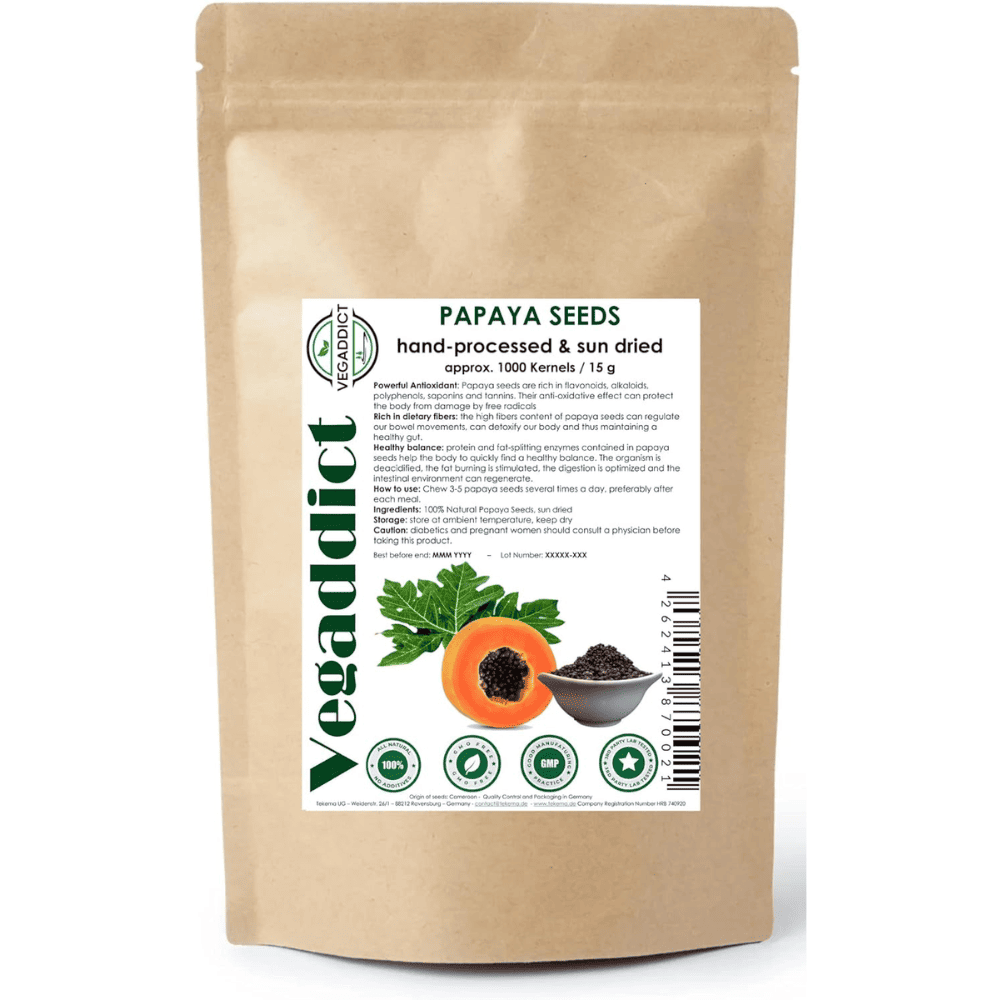
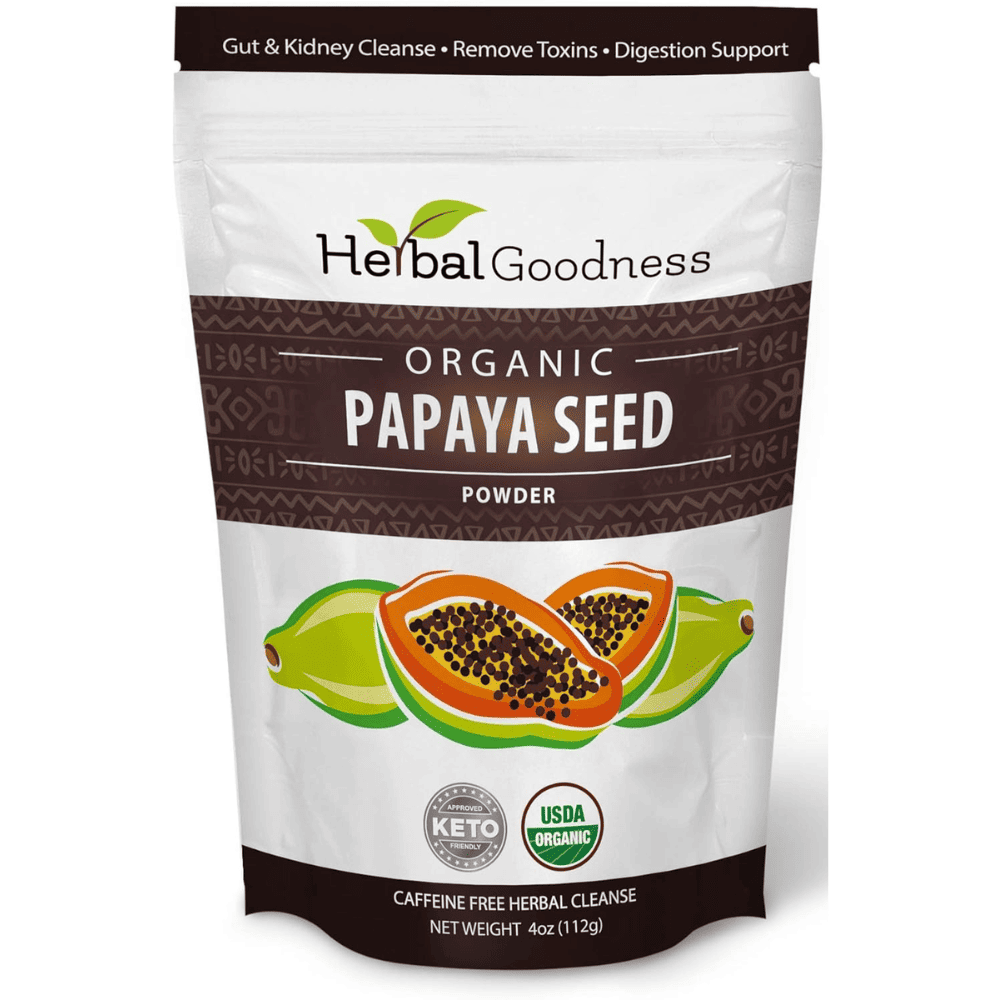
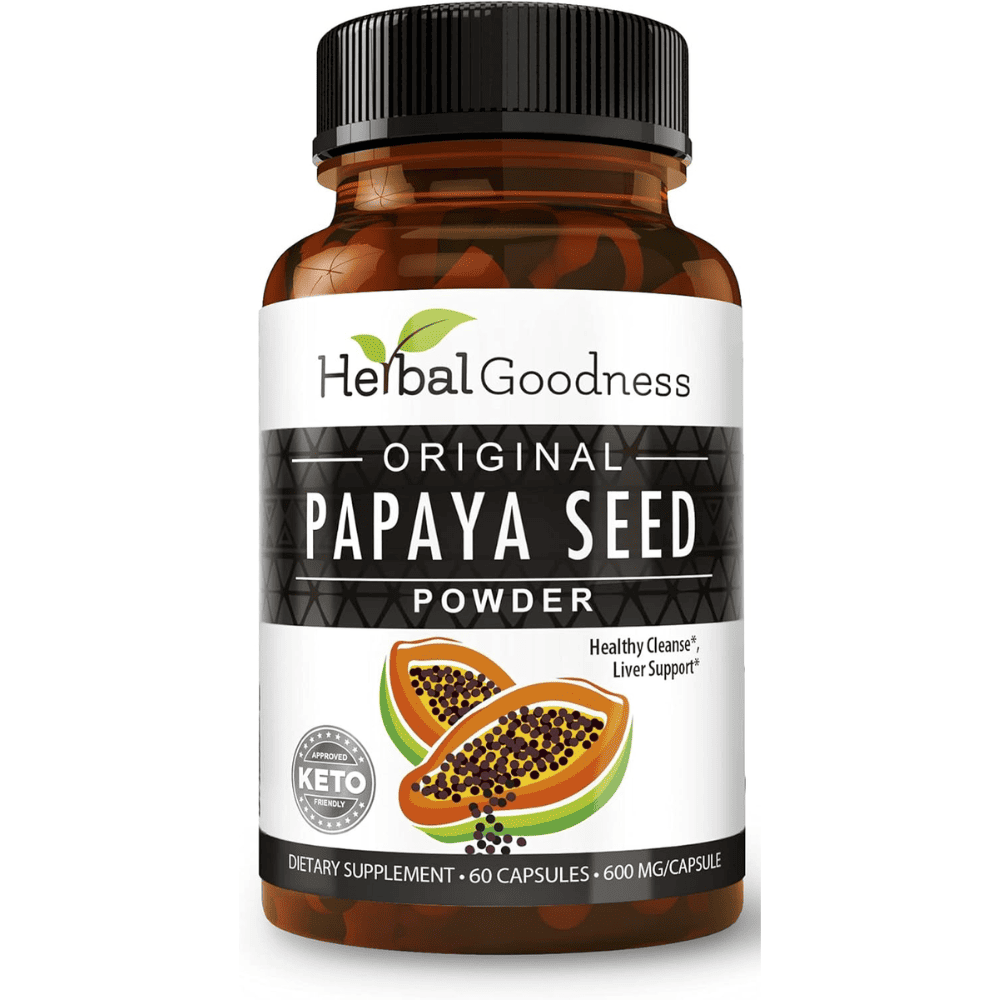
Recommended Products
As an Amazon Associate and affiliate partner, we earn from qualifying purchases. Product recommendations are based on research and editorial judgment, not compensation.
References
Get the Free 30-Day Parasite Cleanse Plan
Evidence-based protocols, supplement schedules, and dietary guidance delivered to your inbox.