Symptom Guide · Digestive System
Diarrhea and Loose Stools from Parasites
Frequent watery or loose bowel movements triggered by parasites disrupting normal intestinal function.
Understanding This Symptom
Diarrhea is one of the most common and disruptive symptoms of parasitic infection. Parasites cause diarrhea through inflammation of the intestinal lining, malabsorption of water and nutrients, increased intestinal secretions, and disruption of the gut microbiome. The diarrhea may be watery (common with Giardia and Cryptosporidium), greasy and foul-smelling (fat malabsorption from Giardia), or bloody (severe hookworm, whipworm, or amoebic infections). Chronic parasitic diarrhea can lead to dehydration and significant weight loss.
Parasites That Cause Diarrhea and Loose Stools

Giardia causes characteristic greasy, foul-smelling diarrhea due to fat malabsorption. Stool may float and appear pale or yellow.
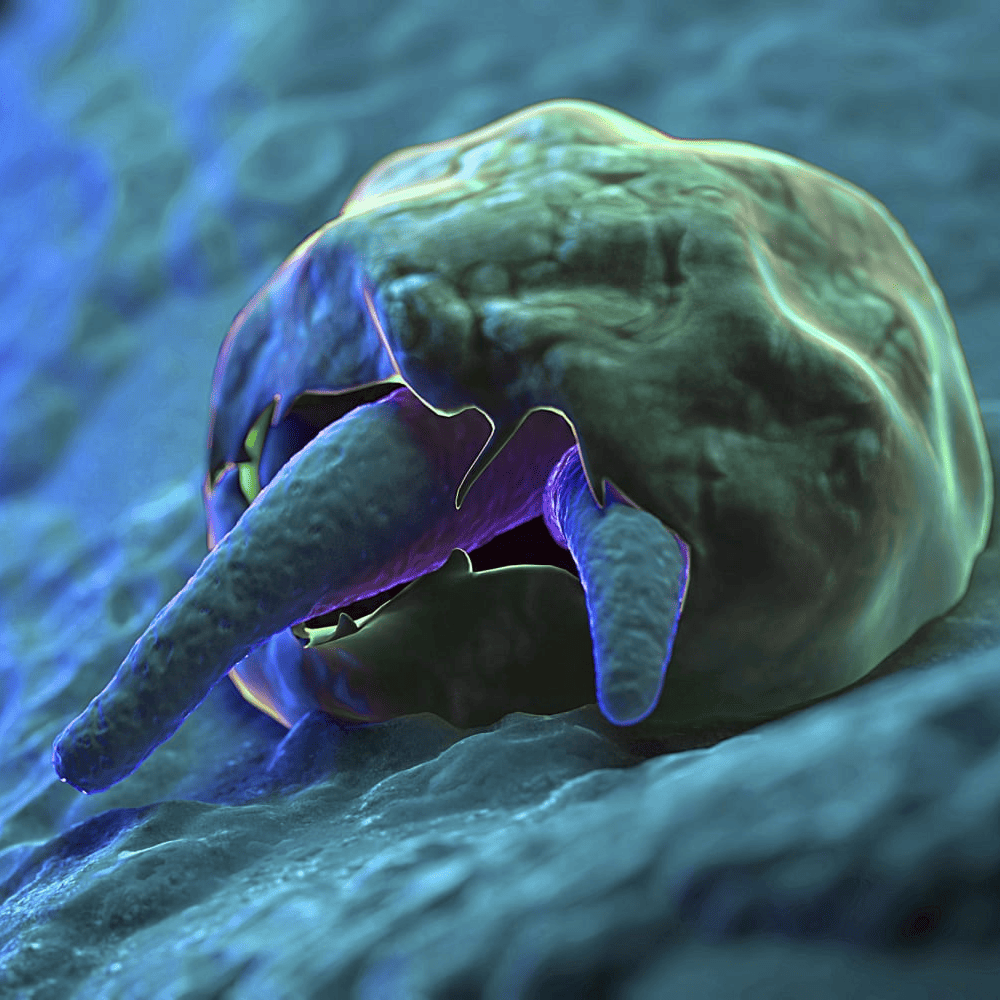
Cryptosporidium causes profuse, watery diarrhea that can persist for 1-2 weeks and is resistant to many standard water treatments.

Heavy whipworm infections cause chronic mucoid diarrhea that may contain blood, sometimes progressing to rectal prolapse in children.

Roundworm infections can cause alternating diarrhea and constipation as the worms disrupt normal bowel motility.
Natural Remedies
These natural solutions have shown anti-parasitic properties that may help address diarrhea and loose stools caused by parasitic infections.
When to See a Doctor
See a doctor immediately if diarrhea contains blood, lasts more than 3 days, or is accompanied by high fever, severe dehydration (dizziness, dark urine, dry mouth), or inability to keep fluids down.
Frequently Asked Questions
How can I tell if my diarrhea is from parasites or food poisoning?
Food poisoning typically resolves within 24-48 hours. Parasitic diarrhea persists for weeks or months, often with a cyclical pattern of improvement and relapse.
Can parasites cause both diarrhea and constipation?
Yes. Some parasites, particularly roundworms, cause alternating diarrhea and constipation. Tapeworms may cause constipation as proglottids block the intestinal passage.
Is parasitic diarrhea contagious?
Many parasitic diarrheal illnesses are contagious through the fecal-oral route. Good hand hygiene is essential to prevent spreading, especially with Giardia, Cryptosporidium, and pinworm.
Not Sure Which Parasite You Have?
Take our free symptom checker quiz to get personalized parasite and remedy recommendations.
Take the Symptom QuizMedical disclaimer: This page is for educational purposes only and does not constitute medical advice. The symptoms described here can be caused by many conditions other than parasitic infections. Always consult a qualified healthcare professional for proper diagnosis and treatment.
Other Parasite Symptoms
Bloating and Gas
Persistent abdominal bloating and excess gas that may indicate a parasitic infection in the gut.
Chronic Fatigue and Weakness
Persistent exhaustion and muscle weakness that does not improve with rest, often caused by nutrient-stealing parasites.
Abdominal Pain and Cramping
Recurring stomach pain, cramping, and discomfort caused by parasites irritating the intestinal lining.
Skin Rashes, Hives, and Eczema
Unexplained skin reactions including rashes, hives, and eczema flare-ups triggered by parasitic immune responses.
Unexplained Weight Loss
Losing weight without trying, often caused by parasites consuming your nutrients or reducing appetite.
Brain Fog and Poor Concentration
Difficulty thinking clearly, poor memory, and inability to focus that may be linked to parasitic toxins.
Get the Free 30-Day Parasite Cleanse Plan
Evidence-based protocols, supplement schedules, and dietary guidance delivered to your inbox.