Oregano Oil for Parasite Cleanse
Medical Disclaimer
This content is for informational purposes only and does not constitute medical advice. Consult a qualified healthcare provider before starting any treatment, supplement, or cleanse program. If you suspect a parasitic infection, seek professional medical diagnosis.
One of nature's most potent antimicrobials, oregano oil's high concentration of carvacrol disrupts parasite cell membranes and supports the body's overall immune defenses. It stands apart from most herbal remedies because it targets parasites, bacteria, and fungi simultaneously -- making it effective against the mixed infections that often accompany parasitic conditions.
What Is Oregano Oil?
Oregano oil is a concentrated extract from the leaves and flowers of Origanum vulgare, a perennial herb in the Lamiaceae (mint) family. It should not be confused with the common culinary oregano used in cooking -- therapeutic oregano oil is a steam-distilled essential oil with a potency far exceeding the dried herb on your spice rack.
The plant is native to the Mediterranean region, particularly the mountainous areas of Greece and Turkey. The name "oregano" derives from the Greek oros (mountain) and ganos (joy), literally meaning "joy of the mountain." Wild oregano from high-altitude Mediterranean regions is considered the highest quality source due to its carvacrol concentration, which can range from 60-80% of the essential oil content.
There are over 40 species in the Origanum genus, but Origanum vulgare (particularly the subspecies hirtum, also called Greek oregano) is the species with the strongest antimicrobial profile and the most research backing. When purchasing oregano oil for therapeutic use, the species and carvacrol percentage matter significantly.
Ancient Greek physicians including Hippocrates used oregano as an antiseptic and digestive remedy. Roman soldiers carried oregano on military campaigns for wound treatment and digestive health. In traditional Mediterranean folk medicine, oregano oil was applied topically for skin infections and taken internally for stomach ailments, respiratory infections, and parasitic conditions. The oil was also used to preserve food before refrigeration -- a practical application of its antimicrobial properties.
Anti-Parasitic Properties
Oregano oil's anti-parasitic action centers on two phenolic compounds: carvacrol and thymol.
Carvacrol accounts for 60-80% of high-quality oregano oil and is the primary driver of its biological effects. It works by disrupting the cell membrane integrity of parasites. Carvacrol is lipophilic (fat-soluble), which allows it to integrate into the lipid bilayer of parasite cell membranes. Once embedded, it increases membrane permeability, causing leakage of essential cellular contents -- ions, ATP, and other molecules -- leading to cell death.
This mechanism of action is particularly effective because it is nonspecific: it targets a fundamental structural component (the cell membrane) that all parasites share, regardless of species. This broad-spectrum activity is why oregano oil works against protozoa, helminths, bacteria, and fungi.
Thymol, typically present at 2-5% in oregano oil, works synergistically with carvacrol. It has its own membrane-disrupting properties and has been shown to inhibit specific enzymes in parasite metabolism. The combination of carvacrol and thymol produces effects greater than either compound alone.
Additional mechanisms include:
- Immune modulation: Oregano oil has been shown to stimulate the production of white blood cells and modulate inflammatory cytokines, supporting the body's own anti-parasitic immune response
- Intestinal barrier support: A 2016 study in BioMed Research International found that oregano essential oil improved the expression of tight junction proteins in the intestinal lining in a pig model, strengthening the gut barrier that parasites must penetrate
- Biofilm disruption: Some parasites (and the bacteria that accompany parasitic infections) form protective biofilms. Carvacrol has demonstrated the ability to penetrate and disrupt these biofilms
- Antioxidant activity: The phenolic compounds in oregano oil neutralize free radicals generated during parasitic infection and the body's inflammatory response
Scientific Evidence
A pivotal 2000 study published in Phytotherapy Research tested emulsified oregano oil in 14 adult patients with confirmed enteric parasites, including Blastocystis hominis, Entamoeba hartmanni, and Endolimax nana. Patients received 600 mg of emulsified oregano oil daily for 6 weeks. Results showed that gastrointestinal symptoms improved in 7 of 11 patients who had tested positive for Blastocystis hominis, and Entamoeba hartmanni was completely eliminated in 4 patients. Blastocystis hominis disappeared entirely in 8 of 11 positive cases. No adverse side effects were reported.
A 2017 review published in the Journal of Microbiology and Biotechnology compiled evidence on the antimicrobial activity of oregano essential oil against a wide range of pathogens. The review confirmed that carvacrol and thymol are effective against both gram-positive and gram-negative bacteria, various fungi (including Candida species), and multiple parasitic organisms. The authors noted that oregano oil's broad-spectrum activity makes it uniquely useful against the polymicrobial infections that often accompany parasitic conditions.
A 2008 review in Food and Chemical Toxicology examined the biological effects of essential oils, including oregano oil, and confirmed the membrane-disrupting mechanism of action for carvacrol. The review documented dose-dependent antimicrobial activity across multiple studies and noted that essential oil compounds can affect parasites at concentrations achievable through oral supplementation.
Research on carvacrol specifically (isolated from oregano oil) has shown activity against Giardia lamblia, Trypanosoma cruzi, and Leishmania species in laboratory studies, expanding the known range of susceptible parasites beyond the intestinal organisms tested in the 2000 clinical trial.
Parasites Targeted
Based on clinical and laboratory evidence, oregano oil has demonstrated activity against:
- Blastocystis hominis -- one of the most common intestinal parasites worldwide, confirmed in human clinical trial
- Entamoeba hartmanni -- confirmed in human trial
- Endolimax nana -- confirmed in human trial
- Giardia lamblia -- laboratory evidence for carvacrol activity
- Cryptosporidium -- some in vitro evidence
- Intestinal worms (helminths) -- traditional use supported by the membrane-disruption mechanism, which applies to multicellular organisms as well
Oregano oil is also effective against organisms that commonly co-exist with parasitic infections:
- Candida albicans and other fungi -- parasitic infections often coincide with fungal overgrowth
- Pathogenic bacteria including E. coli, Staphylococcus, and Salmonella -- helping address secondary bacterial infections in the gut
This multi-target activity makes oregano oil particularly valuable in cases where parasitic infection has disrupted the gut microbiome and allowed opportunistic bacteria and fungi to proliferate.
How to Use Oregano Oil
Oregano oil is available in several forms. The potency varies significantly between products, so quality matters.
Liquid drops (oil): The most common form. Look for products that specify the carvacrol percentage (minimum 60% is considered therapeutic grade). Standard dosing: 2-4 drops in water or juice, 2-3 times daily. Always dilute -- undiluted oregano oil can burn the mouth and throat. Some products come pre-diluted in a carrier oil (olive oil is most common).
Soft gel capsules: Convenient and avoid the strong taste. Typical dosing is 150-200 mg of oregano oil per capsule, 2-3 times daily with meals. Capsules are easier for people who find the flavor intolerable.
Emulsified oregano oil: This form was used in the clinical trial and may offer better absorption than standard oil drops. Emulsification breaks the oil into smaller droplets that mix more readily with the aqueous environment of the digestive tract.
What to look for on the label:
- Species: Origanum vulgare (not Origanum majorana, which is marjoram)
- Carvacrol content: 60%+ for therapeutic use
- Carrier oil: olive oil is standard; avoid products with unnecessary fillers
- Extraction method: steam distillation is preferred
Timing: Take on an empty stomach or 30 minutes before meals for anti-parasitic purposes. Some people experience mild stomach upset with oregano oil; if this occurs, taking it with a small amount of food may help.
Duration: The clinical trial protocol was 6 weeks. Most practitioner-recommended protocols run 4-8 weeks. Oregano oil is potent and not intended for indefinite continuous use -- typical practice is to cycle it (4-6 weeks on, 2 weeks off) to protect beneficial gut bacteria.
Important: Because oregano oil has broad antimicrobial activity, it may affect beneficial gut bacteria alongside harmful organisms. Many practitioners recommend taking a high-quality probiotic supplement (separated by at least 2 hours from the oregano oil dose) during and after a cleanse to support microbiome recovery.
Safety and Side Effects
Oregano oil is generally safe for short-term use at recommended doses, but its potency requires respect.
Digestive irritation: The most common side effect. Carvacrol is a phenolic compound that can irritate the mucous membranes of the mouth, throat, and stomach. Always dilute the oil and consider taking it with food if irritation occurs.
Herxheimer-like reactions: Some people experience temporary worsening of symptoms (headache, fatigue, digestive upset) in the first few days of use. This is sometimes attributed to die-off of parasites and pathogenic organisms releasing toxins. Starting with a lower dose and increasing gradually can help manage this.
Pregnancy and breastfeeding: Oregano oil should be avoided during pregnancy. It may stimulate uterine contractions and has been classified as an emmenagogue in traditional herbalism. Safety during breastfeeding has not been established.
Blood thinning: Oregano oil may inhibit platelet aggregation. People taking anticoagulant medications (warfarin, heparin) or blood-thinning supplements (fish oil, vitamin E) should consult their doctor. Discontinue oregano oil at least 2 weeks before any scheduled surgery.
Blood sugar: Some evidence suggests oregano oil may lower blood sugar levels. People with diabetes or taking hypoglycemic medications should monitor their levels.
Iron absorption: Oregano oil may interfere with iron absorption. If you are iron-deficient, separate your oregano oil dose from iron supplements or iron-rich meals by at least 2 hours.
Allergies: People allergic to plants in the Lamiaceae family (mint, basil, sage, lavender, thyme) may react to oregano oil. Test a small amount first.
Children: Oregano oil is generally not recommended for children under 6 years old due to its potency. For older children, doses should be reduced proportionally. Consult a pediatrician.
Frequently Asked Questions
Is cooking oregano the same as oregano oil for parasites? No. Culinary oregano (the dried leaves on your spice rack) contains trace amounts of carvacrol and thymol, but at concentrations far too low for anti-parasitic effects. Therapeutic oregano oil is a steam-distilled concentrate with 60-80% carvacrol content. You would need to consume impractical quantities of the dried herb to match even a single drop of quality oregano oil.
Will oregano oil kill my good gut bacteria? It can, which is why cycling and probiotic support are recommended. Oregano oil does not discriminate perfectly between beneficial and harmful microorganisms. However, some research suggests that carvacrol may have a preferential effect on pathogenic organisms over beneficial lactobacilli, though this selectivity is not absolute. Taking probiotics during and especially after an oregano oil protocol helps restore beneficial populations.
How do I know if my oregano oil is high enough quality? Check three things: (1) the species should be Origanum vulgare, (2) the carvacrol content should be listed at 60% or higher, and (3) the extraction method should be steam distillation. Avoid products that list "oregano flavoring" or do not specify the species. Wild-harvested Mediterranean oregano is generally considered superior to cultivated varieties.
Can I use oregano oil topically for parasitic skin conditions? Yes, with proper dilution. For external parasites or fungal skin infections, dilute 2-3 drops of oregano oil in 1 tablespoon of carrier oil (coconut or olive oil) and apply to the affected area. Never apply undiluted oregano oil directly to skin -- it can cause chemical burns. A patch test on a small area of skin is recommended before broader application.
When to See a Doctor
Oregano oil is a potent natural antimicrobial, but it is not a substitute for medical evaluation and treatment of parasitic infections. Seek professional care if:
- You have persistent gastrointestinal symptoms (chronic diarrhea, bloating, cramping) lasting more than 2 weeks without improvement
- You experience fever, blood in stool, or rapid weight loss -- these may indicate a more serious infection requiring prescription medication
- You are taking blood-thinning medications, diabetes medications, or immunosuppressive drugs
- Symptoms worsen during treatment (beyond mild temporary die-off effects)
- You suspect a non-intestinal parasitic infection (tissue parasites, blood parasites) -- these typically require pharmaceutical treatment
Stool testing (O&P exam) can identify the specific parasite involved. Many protozoal infections like giardiasis respond well to prescription metronidazole or tinidazole, and a doctor can determine whether pharmaceutical treatment is needed based on the severity and type of infection. Oregano oil can often be used as a complementary approach alongside conventional treatment with your doctor's guidance.
This content is for educational purposes only and is not intended as medical advice. Always consult a qualified healthcare provider before starting any supplement or cleanse protocol.
Part of: Essential Oils
Recommended Products
As an Amazon Associate and affiliate partner, we earn from qualifying purchases. Product recommendations are based on research and editorial judgment, not compensation.
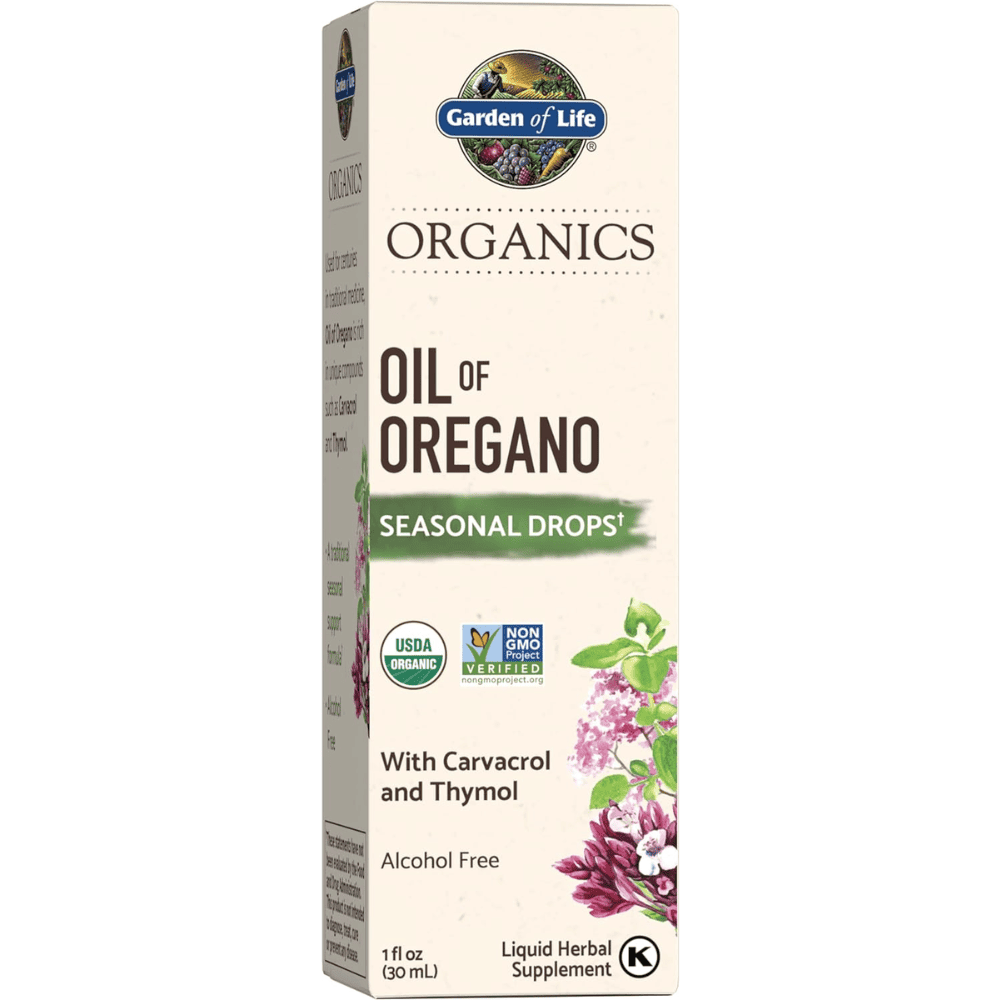
Oil Of Oregano Drops (Alcohol Free)
High-potency oregano oil drops. 1 fl oz, by Garden of Life
$12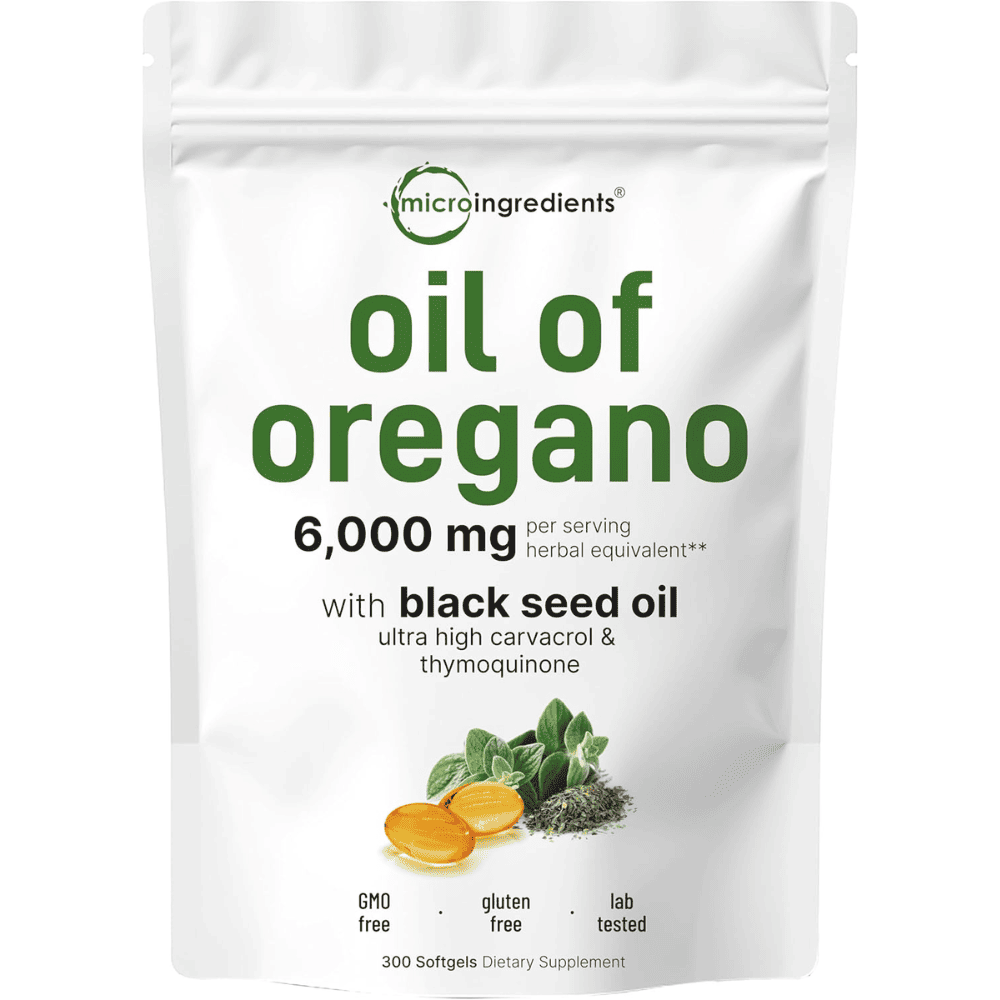
Oregano Oil Soft Capsules
Oil of Oregano with Black Seed Oil in Soft Capsule form for easy digestion. 300 count per bag. Plant based by MicroIngredients.
$35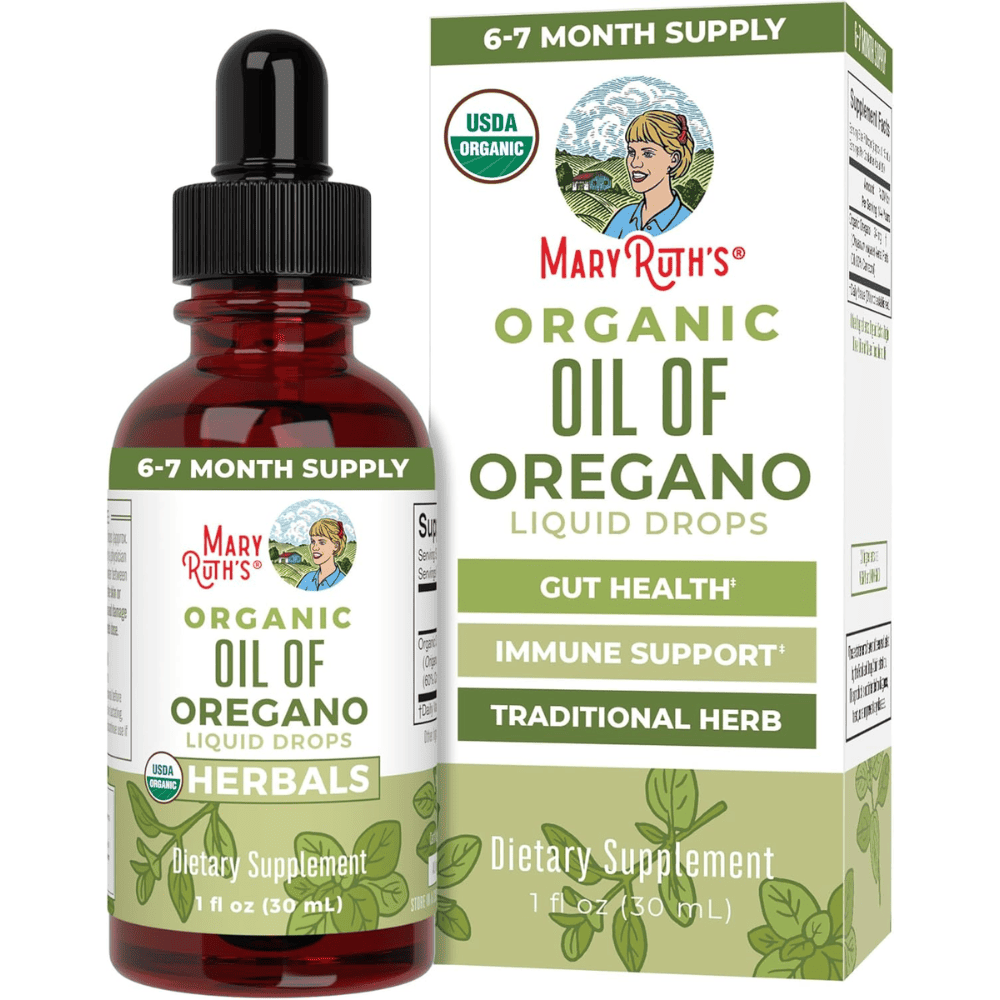
Organic Oil of Oregano Liquid Drops
Pure organic oil of oregano liquid drops. 1 fl oz by Mary Ruth's.
$20References
- Force M, Sparks WS, Ronzio RA. Inhibition of enteric parasites by emulsified oil of oregano in vivo. Phytother Res. 2000;14(3):213-214. doi:10.1002/(SICI)1099-1573(200005)14:3<213::AID-PTR583>3.0.CO;2-U
- Bensmira N, Jiang B, Nsabimana C, Jian T. Effect of lavender and thyme incorporation in sunflower seed oil on its resistance to frying temperatures. Food Res Int. 2007;40(3):341-346.
- Sakkas H, Papadopoulou C. Antimicrobial Activity of Basil, Oregano, and Thyme Essential Oils. J Microbiol Biotechnol. 2017;27(3):429-438. doi:10.4014/jmb.1608.08024
- Bakkali F, Averbeck S, Averbeck D, Idaomar M. Biological effects of essential oils--a review. Food Chem Toxicol. 2008;46(2):446-475. doi:10.1016/j.fct.2007.09.106
- Zou Y, Xiang Q, Wang J, Peng J, Wei H. Oregano Essential Oil Improves Intestinal Morphology and Expression of Tight Junction Proteins Associated with Modulation of Selected Intestinal Bacteria and Immune Status in a Pig Model. Biomed Res Int. 2016;2016:5436738. doi:10.1155/2016/5436738
Get the Free 30-Day Parasite Cleanse Plan
Evidence-based protocols, supplement schedules, and dietary guidance delivered to your inbox.