Lifestyle Tips for Parasite Prevention
Medical Disclaimer
This content is for informational purposes only and does not constitute medical advice. Consult a qualified healthcare provider before starting any treatment, supplement, or cleanse program. If you suspect a parasitic infection, seek professional medical diagnosis.
Practical daily habits -- from hygiene routines to mindful eating -- that significantly reduce your risk of parasitic infection and support long-term health.
Explore Lifestyle Tips for Parasite Prevention
Preventing parasitic infections does not always require medication or supplements. In many cases, simple changes to your daily habits can dramatically cut your risk of exposure. The CDC estimates that millions of people in the United States alone carry parasitic infections, many of which could have been prevented through basic hygiene and lifestyle practices.
This page covers five key areas: personal hygiene, nutrition, environmental care, physical activity, and sleep and stress management. Each section provides specific, actionable steps backed by public health research.
Personal Hygiene for Parasite Prevention
Why Hygiene Matters More Than You Think
The most common route of parasitic infection is the fecal-oral pathway. Parasite eggs and cysts are shed in stool and can survive on surfaces, under fingernails, and in soil for weeks or even months. The CDC identifies hand hygiene as the single most effective intervention for preventing the spread of intestinal parasites, including pinworms, roundworms, and Giardia.
A 2019 study published in the International Journal of Hygiene and Environmental Health found that inadequate sanitation and hygiene account for a significant portion of the global parasite burden, particularly soil-transmitted helminths like hookworm and whipworm.
Hand Washing Protocol
Wash your hands with soap and warm water for at least 20 seconds. Pay particular attention to these moments: before preparing or eating food, after using the toilet, after changing diapers, after handling animals or pet waste, and after working in soil or gardening. The friction of scrubbing matters just as much as the soap. Antibacterial soap is not necessary -- regular soap effectively removes parasite eggs and cysts from skin.
Hand sanitizer with at least 60% alcohol content is a reasonable backup when soap and water are unavailable. However, alcohol-based sanitizers are less effective against certain parasite cysts, particularly Cryptosporidium. When possible, always prefer soap and water.
Nail Care
Keep fingernails trimmed short and scrub beneath them when washing hands. Pinworm eggs frequently accumulate under nails, especially in children who scratch the perianal area during sleep. The CDC specifically recommends short nails as a pinworm prevention measure. Avoid nail biting, which directly transfers eggs from fingers to mouth.
Food Handling Hygiene
Wash all raw fruits and vegetables under running water before eating, even if you plan to peel them. Parasites like Cyclospora and Cryptosporidium can cling to produce surfaces. For leafy greens, separate leaves and rinse each one individually rather than washing the whole head.
Cook meat to safe internal temperatures: 145°F (63°C) for whole cuts of beef, pork, and lamb; 160°F (71°C) for ground meats; and 165°F (74°C) for all poultry. These temperatures kill common parasites including Toxoplasma gondii, Trichinella spiralis, and tapeworm larvae. Use a meat thermometer rather than judging by color alone.
Travel Hygiene
When traveling to tropical or developing regions, the WHO recommends the following precautions: drink only bottled, boiled, or chemically treated water; avoid ice in drinks unless you are certain it was made from safe water; eat only food that has been thoroughly cooked and is still hot; peel all fruits yourself rather than buying pre-cut fruit.
Carry a portable water filter rated for protozoan cysts (0.2 micron or smaller) when traveling to areas with unreliable water infrastructure. Avoid walking barefoot in areas where hookworm is endemic, particularly in warm, moist soil. Wear shoes or sandals at all times outdoors.
Nutrition and Diet for Parasite Prevention
Building an Inhospitable Internal Environment
A strong immune system is your primary biological defense against parasitic colonization. Diet directly influences immune function. Nutrient deficiencies -- particularly in zinc, vitamin A, vitamin C, and iron -- are associated with increased susceptibility to parasitic infections, according to WHO guidelines on soil-transmitted helminth management.
Eating a diet rich in whole foods provides the micronutrients your immune cells require to identify and destroy parasites before they establish an infection. Processed foods, excess sugar, and refined carbohydrates, on the other hand, can impair immune function and create conditions that favor parasitic growth.
Foods With Antiparasitic Properties
Several common foods contain compounds that have demonstrated activity against parasites in laboratory and clinical studies:
Garlic contains allicin, a sulfur compound released when garlic is crushed or chopped. Allicin has shown activity against Giardia lamblia, Entamoeba histolytica, and several species of intestinal worms. Eat 2-3 raw cloves daily, crushed and allowed to sit for 10 minutes before consuming, to maximize allicin formation.
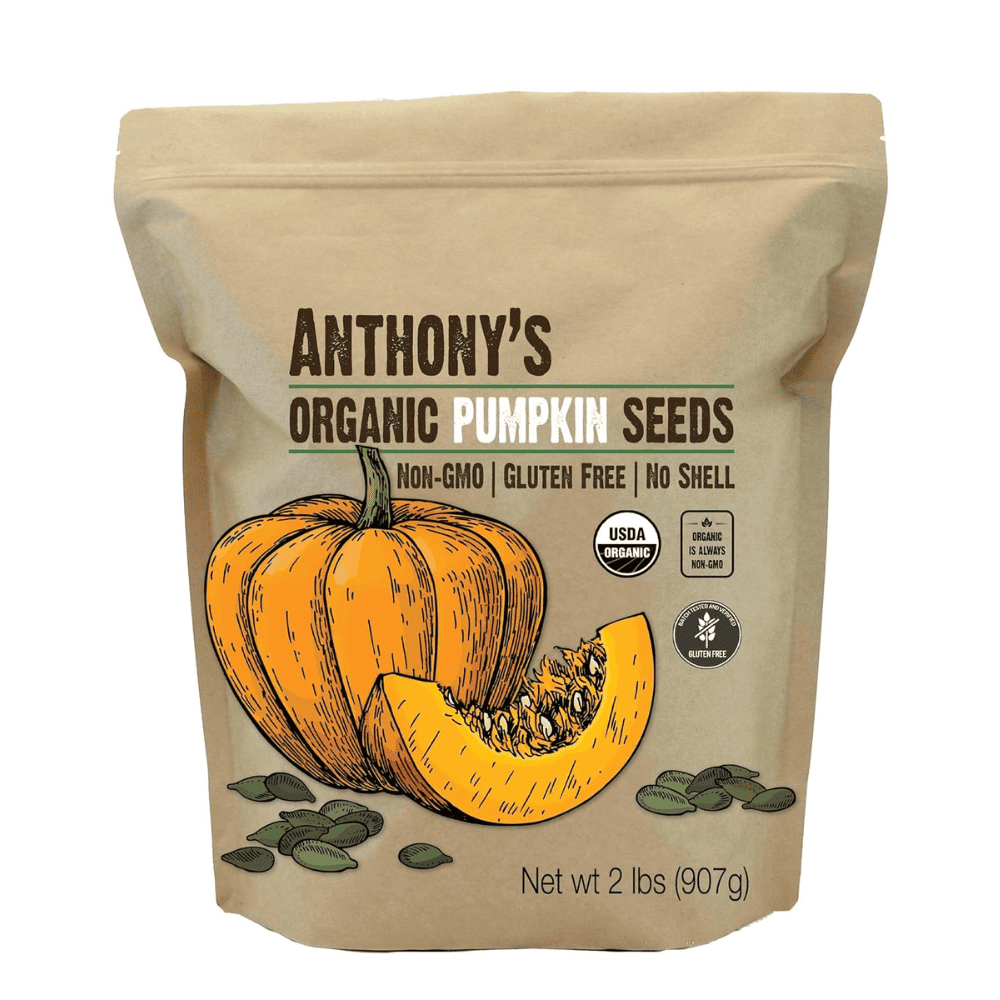
Pumpkin seeds contain cucurbitin, an amino acid that paralyzes intestinal worms and prevents them from gripping the intestinal wall. A handful of raw pumpkin seeds (about 1/4 cup) daily is a traditional remedy used across Central America and parts of Asia.
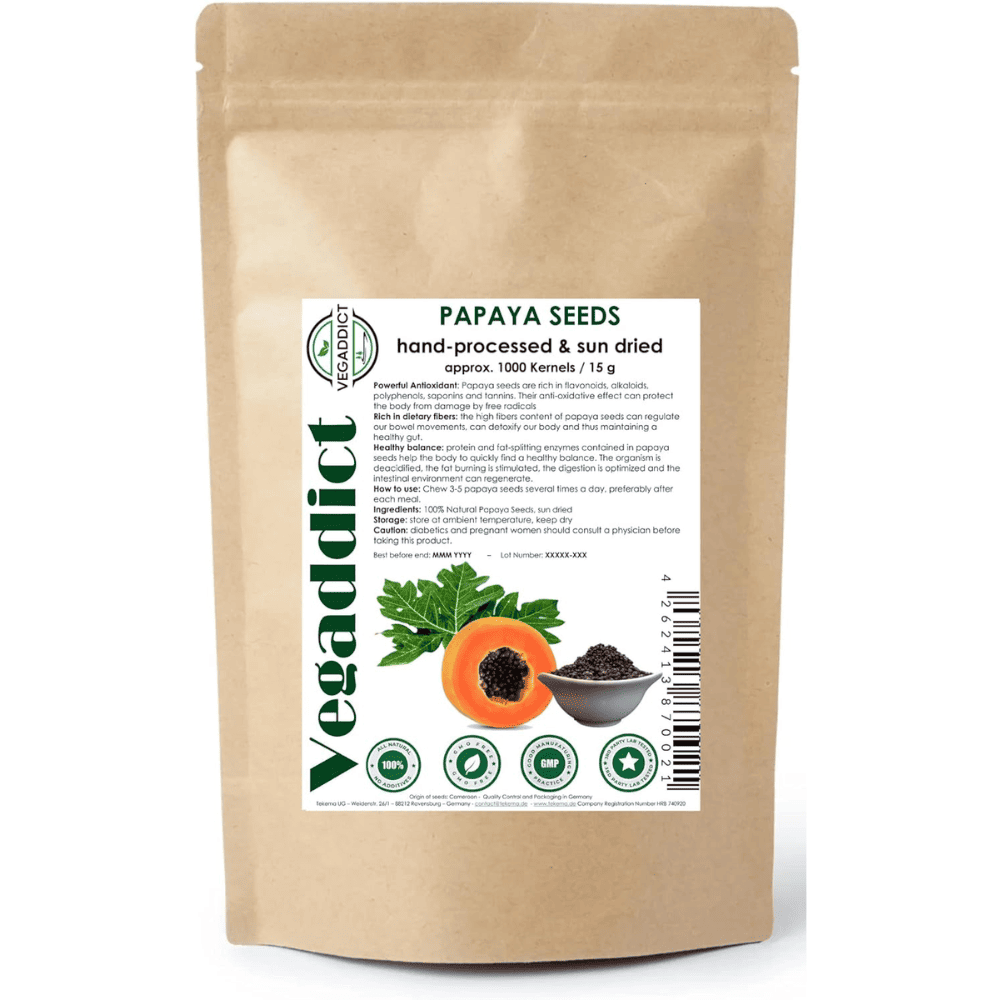
Papaya seeds contain the enzyme papain and the compound benzyl isothiocyanate, both of which have shown antiparasitic effects. A clinical trial in Nigeria found that children who consumed papaya seed porridge had significantly reduced parasite egg counts compared to a control group.
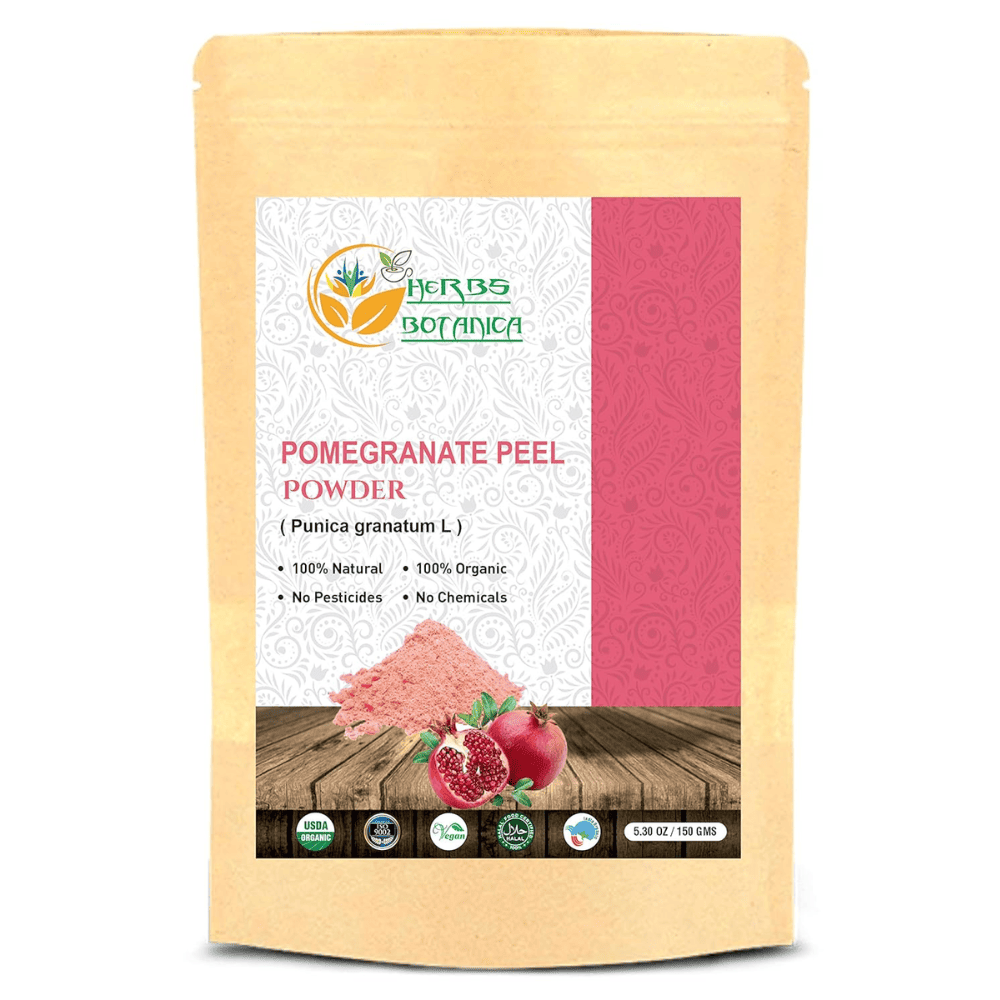
Pomegranate -- particularly the peel and bark -- contains pelletierine and isopelletierine, alkaloids with known activity against tapeworms. Pomegranate peel powder can be added to smoothies or taken as a supplement.
Fiber and Digestive Health
A high-fiber diet supports regular bowel movements, which is your body's primary physical mechanism for expelling parasites and their eggs from the digestive tract. Aim for 25-35 grams of fiber per day from vegetables, fruits, legumes, and whole grains. Constipation creates a stagnant intestinal environment that favors parasite survival and reproduction.
Fermented foods like sauerkraut, kimchi, kefir, and plain yogurt support a healthy gut microbiome. A diverse and balanced microbiome creates competition that makes it harder for parasites to establish themselves in the gut.
What to Avoid
Limit sugar and refined carbohydrates during a suspected infection or active cleanse. Some practitioners believe excess sugar feeds certain parasites and yeasts, though direct clinical evidence for this specific claim is limited. Regardless, reducing sugar intake supports immune function and overall metabolic health.
Avoid raw or undercooked freshwater fish, which can carry liver flukes and fish tapeworm larvae. Sushi-grade saltwater fish is generally safer, as freezing at -4°F (-20°C) for seven days kills most parasites per FDA guidelines.
Environmental Care for Parasite Prevention
Your Home Environment
Parasites can persist in household environments longer than most people realize. Pinworm eggs survive on surfaces for up to two weeks. Toxoplasma oocysts shed in cat feces become infectious after 1-5 days and can survive in soil for over a year.
Clean high-touch surfaces regularly -- doorknobs, light switches, toilet handles, and kitchen counters. Use hot water (at least 130°F / 54°C) when laundering bedding, towels, and underwear to kill parasite eggs. During an active pinworm infection, wash bedding daily for at least two weeks.
Pet-Related Precautions
Pets are a common source of parasite transmission to humans. Dogs can carry roundworms, hookworms, and tapeworms. Cats can transmit Toxoplasma gondii through their feces. The CDC recommends deworming pets regularly on a schedule determined by your veterinarian.
Clean litter boxes daily -- Toxoplasma oocysts require 1-5 days to become infectious, so prompt removal significantly reduces risk. Pregnant women should avoid cleaning litter boxes entirely due to the risk of congenital toxoplasmosis. Wash hands thoroughly after handling pets, and do not allow pets to lick your face or share your food.
Pest Control
Flies, cockroaches, and rodents can mechanically transmit parasite eggs and cysts to food and surfaces. Keep food stored in sealed containers. Repair window screens and seal gaps around doors and pipes. Use traps or professional pest control if you observe rodent activity in your home.
Water Safety
The CDC reports that waterborne parasites like Giardia and Cryptosporidium are among the most common causes of recreational water illness in the United States. Do not swallow water when swimming in lakes, rivers, or even public pools. Cryptosporidium is resistant to standard chlorination levels.
If your home uses well water, have it tested annually for coliform bacteria and parasites. Consider installing a point-of-use water filter certified to NSF/ANSI Standard 53 or 58, which are rated to remove Cryptosporidium and Giardia cysts.
Physical Activity for Parasite Prevention
How Exercise Strengthens Immune Defense
Regular moderate exercise is one of the most well-documented ways to support immune function. A 2019 review in the Journal of Sport and Health Science found that each session of moderate-intensity exercise (30-60 minutes) enhances the circulation of immunoglobulins, natural killer cells, and T-cells -- all of which play roles in detecting and eliminating parasitic invaders.
Exercise improves lymphatic circulation, which is particularly relevant because the lymphatic system has no pump of its own. It relies on muscle contraction and breathing to move lymph fluid through the body. Without regular movement, immune surveillance slows and pathogens may go undetected longer.
What Counts as Moderate Exercise
You do not need intense training to see immune benefits. Brisk walking, cycling at a conversational pace, swimming, hiking, yoga, and gardening all qualify. The key is consistency: aim for at least 150 minutes per week of moderate activity, as recommended by the WHO.
Strength training two to three times per week adds additional immune benefit by reducing systemic inflammation and improving metabolic health. Even bodyweight exercises like squats, push-ups, and lunges done at home are sufficient.
The Overtraining Caveat
While moderate exercise strengthens immunity, excessive exercise without adequate recovery can temporarily suppress immune function. Marathon runners and elite athletes show elevated rates of upper respiratory infections in the weeks following extreme events. If you are currently fighting an active infection, keep exercise light -- gentle walks and stretching rather than high-intensity training.
Sleep and Stress Management
Sleep as Immune Infrastructure
Sleep is not optional for immune health -- it is foundational. A study published in Pflugers Archiv found that sleep deprivation reduces the production of cytokines, proteins that direct the immune response to infections. People who sleep fewer than six hours per night are significantly more likely to contract infections compared to those who sleep seven to eight hours.
During deep sleep stages, your body releases growth hormone and increases production of immune cells. Disrupting this process -- through late-night screen use, irregular sleep schedules, or sleep disorders -- impairs your body's ability to mount an effective response to parasitic or any other type of infection.
Practical Sleep Hygiene Tips
Go to bed and wake up at the same time every day, including weekends. Keep your bedroom cool (65-68°F / 18-20°C), dark, and quiet. Avoid screens for at least 30 minutes before bed -- blue light suppresses melatonin production. Limit caffeine after 2 PM. If you struggle with falling asleep, try a magnesium supplement (200-400 mg glycinate) 30-60 minutes before bed, which also supports gut motility.
Chronic Stress and Immune Suppression
A meta-analysis published in Psychological Bulletin covering 30 years of research confirmed that chronic psychological stress suppresses nearly every measurable aspect of immune function. Stress hormones like cortisol reduce the activity of natural killer cells and T-lymphocytes, the same cells your body relies on to identify and kill parasites.
This does not mean all stress is harmful. Short-term acute stress (like a cold plunge or a deadline) can temporarily boost immune readiness. The problem is prolonged, unresolved stress -- financial worry, relationship conflict, overwork -- that keeps cortisol elevated for weeks or months.
Stress Reduction Practices
Daily stress management does not require elaborate routines. Even 10 minutes of deliberate practice makes a measurable difference. Options include: deep breathing exercises (4-7-8 technique: inhale 4 seconds, hold 7, exhale 8), daily walks in nature, journaling, meditation or prayer, and maintaining social connections.
Regular physical activity, as discussed above, also reduces stress hormones. The combination of exercise, adequate sleep, and intentional stress management creates a baseline of immune resilience that makes you far less vulnerable to parasitic infection.
Frequently Asked Questions
How often should I wash my hands to prevent parasites?
Wash your hands every time you eat, prepare food, use the bathroom, handle animals, or work with soil. The CDC emphasizes that hand washing is the single most effective measure against fecal-oral transmission of parasites. There is no upper limit -- more frequent hand washing during an active household infection (such as pinworms) is strongly recommended.
Can diet alone prevent a parasite infection?
Diet supports your immune system and creates less favorable conditions for parasites, but it cannot guarantee prevention on its own. If you are exposed to a high parasite load -- contaminated water, undercooked meat, or endemic soil -- dietary habits alone are unlikely to fully protect you. Diet works best as one layer in a multi-layered prevention strategy that includes hygiene, environmental care, and medical treatment when needed.
Do I need to take special precautions with pets?
Yes. The CDC recommends regular veterinary deworming for all dogs and cats. Wash your hands after handling pets, clean litter boxes daily, and pick up dog waste promptly from your yard. Do not allow children to play in areas contaminated with animal feces. Sandboxes should be covered when not in use, as cats may use them as litter boxes.
Is tap water safe from parasites?
In most US and European municipal water systems, tap water is treated to eliminate parasites. However, Cryptosporidium can survive standard chlorination. If you are immunocompromised or concerned about water quality, use a filter certified to NSF/ANSI Standard 53 or boil water for one minute (three minutes at elevations above 6,500 feet).
How much exercise do I need to support my immune system?
The WHO recommends at least 150 minutes of moderate-intensity aerobic activity per week, spread across most days. This is roughly 30 minutes of brisk walking five days a week. Consistency matters more than intensity. Overtraining without recovery can temporarily suppress immunity, so balance effort with rest.
Does stress really make me more susceptible to parasites?
Yes. Chronic stress elevates cortisol, which suppresses the immune cells responsible for detecting and killing parasites. A 30-year meta-analysis confirmed this link. Managing stress through sleep, exercise, social connection, and relaxation practices is a legitimate -- not just feel-good -- component of infection prevention.
Recommended Products
As an Amazon Associate and affiliate partner, we earn from qualifying purchases. Product recommendations are based on research and editorial judgment, not compensation.
References
- CDC. Parasitic Diseases - Prevention & Control. Centers for Disease Control and Prevention. https://www.cdc.gov/parasites/prevention.html
- WHO. Soil-transmitted helminth infections - Fact Sheet. World Health Organization, 2024. https://www.who.int/news-room/fact-sheets/detail/soil-transmitted-helminth-infections
- CDC. Handwashing: Clean Hands Save Lives. Centers for Disease Control and Prevention. https://www.cdc.gov/handwashing/
- CDC. Parasites - Water. Centers for Disease Control and Prevention. https://www.cdc.gov/parasites/water.html
- WHO. Guidelines on Sanitation and Health. World Health Organization, 2018.
- Nieman DC, Wentz LM. The compelling link between physical activity and the body's defense system. J Sport Health Sci. 2019;8(3):201-217.
- Besedovsky L, Lange T, Born J. Sleep and immune function. Pflugers Arch. 2012;463(1):121-137.
- Segerstrom SC, Miller GE. Psychological stress and the human immune system: a meta-analytic study of 30 years of inquiry. Psychol Bull. 2004;130(4):601-630.
- CDC. Food Safety - Parasites. Centers for Disease Control and Prevention. https://www.cdc.gov/parasites/food.html
- WHO. Safe Food Handling: What You Need to Know. World Health Organization, 2023.
- Prüss-Ustün A, et al. Burden of disease from inadequate water, sanitation and hygiene for selected adverse health outcomes. Int J Hyg Environ Health. 2019;222(5):765-777.
- Simpson RJ, et al. Exercise and the Regulation of Immune Functions. Prog Mol Biol Transl Sci. 2015;135:355-380.
Get the Free 30-Day Parasite Cleanse Plan
Evidence-based protocols, supplement schedules, and dietary guidance delivered to your inbox.