Ginger for Parasite Cleanse
Medical Disclaimer
This content is for informational purposes only and does not constitute medical advice. Consult a qualified healthcare provider before starting any treatment, supplement, or cleanse program. If you suspect a parasitic infection, seek professional medical diagnosis.
A warming digestive powerhouse, ginger's active compounds gingerols and shogaols have demonstrated anti-parasitic activity while also soothing the gut and reducing inflammation throughout the body.
What Is Ginger?
Ginger (Zingiber officinale) is a flowering plant in the family Zingiberaceae. The part used medicinally is the rhizome — the thick, knotted underground stem that most people recognize from the grocery store. Native to Southeast Asia, ginger is now cultivated throughout the tropics, with major production in India, China, Nigeria, and Indonesia.
The rhizome contains over 400 distinct chemical compounds. The most pharmacologically active are the gingerols (especially 6-gingerol), shogaols, paradols, and zingerone. Fresh ginger is richest in gingerols, while dried or cooked ginger converts much of its gingerol content into shogaols, which are roughly twice as pungent and show stronger biological activity in some assays.
Ginger has been used as both food and medicine for over 5,000 years. Ancient Ayurvedic texts called it vishvabhesaj — "the universal medicine" — and prescribed it for digestive complaints, nausea, respiratory illness, and intestinal worms. Traditional Chinese medicine classifies ginger as a warming herb that strengthens the spleen and stomach meridians.
Anti-Parasitic Properties
Ginger works against parasites through several distinct mechanisms rather than a single pathway.
Direct toxicity to parasites. Gingerols and shogaols damage the tegument (outer covering) of helminth worms, causing paralysis and death. A 2010 study in Parasitology Research showed that ginger extract at concentrations of 50 mg/mL killed 90% of Anisakis simplex larvae within 16 hours in vitro. The same study found that 6-shogaol was more potent than 6-gingerol against Anisakis larvae.
Disruption of egg hatching. Ginger compounds interfere with the enzymatic processes that parasite eggs require to develop and hatch. This is particularly relevant for roundworm (Ascaris) infections, where egg viability is a major factor in reinfection cycles.
Immune modulation. Ginger enhances several arms of the immune response that the body uses to fight parasites. It increases the activity of macrophages (cells that engulf and destroy foreign organisms), boosts natural killer cell function, and promotes the production of protective cytokines. A stronger immune response helps the body clear parasites more efficiently.
Digestive environment changes. Ginger stimulates the production of hydrochloric acid, bile, and pancreatic enzymes. Higher stomach acid makes it harder for parasites to survive transit through the stomach. Increased bile flow helps flush parasites and their waste products out of the biliary system and small intestine. Enhanced gut motility reduces the time parasites have to attach to the intestinal wall.
Anti-inflammatory action. Parasitic infections trigger significant inflammation in the gut lining. Ginger's gingerols inhibit cyclooxygenase-2 (COX-2) and 5-lipoxygenase (5-LOX), two enzyme systems responsible for producing inflammatory prostaglandins and leukotrienes. Reducing this inflammation helps restore the integrity of the intestinal barrier that parasites damage during infection.
Scientific Evidence
Research on ginger's antiparasitic effects comes from both laboratory (in vitro) studies and animal models. While large-scale human clinical trials focused specifically on parasites are limited, the existing evidence is encouraging.
Anisakis simplex. Lin et al. (2010) tested ginger extract against Anisakis simplex larvae — a parasite found in raw fish that causes anisakiasis. Ginger extract at 50 mg/mL destroyed over 90% of larvae within 16 hours. The researchers identified 6-shogaol as the most active compound, with an LC50 (lethal concentration killing 50% of larvae) significantly lower than 6-gingerol.
Blastocystis species. Abdel-Hafeez et al. (2015) treated mice experimentally infected with Blastocystis spp. with ginger extract at 500 mg/kg body weight for 7 consecutive days. The ginger-treated group showed a statistically significant reduction in parasite load compared to untreated controls, with clearance rates approaching those of the conventional antiparasitic drug metronidazole.
Toxoplasma gondii. Mahmoud et al. (2020) demonstrated that 6-shogaol inhibited the growth of Toxoplasma gondii tachyzoites in cell culture. The compound interfered with the parasite's ability to invade host cells and replicate, suggesting a potential role in managing toxoplasmosis.
Broad-spectrum anthelmintic activity. Iqbal et al. (2001) tested aqueous and methanolic extracts of ginger against mixed helminth infections in sheep. Both extracts produced dose-dependent reductions in fecal egg counts, with the methanolic extract (richer in gingerols and shogaols) showing stronger activity.
Gastrointestinal support. A systematic review by Nikkhah Bodagh et al. (2019) analyzed 12 clinical trials and confirmed that ginger accelerates gastric emptying, reduces nausea, and improves overall GI motility. These effects are directly relevant during a parasite cleanse, when efficient elimination of dead parasites and their toxic byproducts is important for minimizing die-off symptoms.
How to Use Ginger for Parasites
There are several effective ways to incorporate ginger into a parasite cleanse protocol.
Fresh Ginger Tea
Grate or thinly slice 1–2 inches of fresh ginger root. Steep in 8–12 oz of boiling water for 10–15 minutes with a lid on to retain volatile oils. Strain and drink. For stronger antiparasitic effect, let it simmer on low heat for 20 minutes instead of steeping. Drink 2–3 cups daily during a cleanse.
Ginger Powder
Take 1,000–2,000 mg (1–2 grams) of dried ginger powder daily, divided into two doses. Capsules are convenient, or you can stir the powder into warm water or food. Dried ginger contains higher concentrations of shogaols than fresh ginger, which may offer stronger antiparasitic activity.
Fresh Ginger Juice
Juice fresh ginger root and take 1–2 tablespoons of the juice diluted in water, 1–2 times daily. This delivers a concentrated dose of gingerols. The taste is intense — mixing with lemon juice and a small amount of raw honey makes it more palatable.
Ginger Tincture
Alcohol-based ginger tinctures extract both water-soluble and fat-soluble compounds. Follow the manufacturer's dosage recommendations, typically 30–60 drops (1–2 mL) taken 2–3 times daily in a small amount of water.
Timing Considerations
Take ginger on an empty stomach for maximum antiparasitic effect — at least 30 minutes before meals. The compounds reach the intestinal lining without being diluted by food. If ginger causes stomach discomfort on an empty stomach, take it with a small amount of food instead.
For a structured parasite cleanse, many practitioners recommend using ginger for 2–4 weeks alongside other antiparasitic herbs like clove and wormwood.
Safety and Side Effects
Ginger is generally recognized as safe (GRAS) by the FDA when consumed in food amounts. Medicinal doses are also well-tolerated by most people, but there are important considerations.
Common side effects. Doses above 4 grams per day may cause heartburn, mouth irritation, or mild diarrhea. Some people experience a warming or burning sensation in the stomach, especially when taking ginger on an empty stomach.
Blood-thinning effects. Ginger inhibits thromboxane synthesis, which reduces platelet aggregation. People taking anticoagulant medications (warfarin, heparin) or antiplatelet drugs (aspirin, clopidogrel) should consult their doctor before using medicinal doses of ginger. Stop ginger supplementation at least 2 weeks before any scheduled surgery.
Blood sugar interactions. Ginger may lower blood sugar levels. People taking diabetes medications (metformin, insulin, sulfonylureas) should monitor blood glucose closely when adding ginger to their routine.
Gallstone caution. Ginger stimulates bile production, which is generally beneficial but could theoretically cause problems for people with gallstones. If you have known gallstones, speak with your doctor before using ginger in therapeutic doses.
Pregnancy. Ginger in food amounts is considered safe during pregnancy and is commonly recommended for morning sickness. However, doses above 1 gram per day during pregnancy have not been well studied. Pregnant women should not use ginger as an antiparasitic without medical supervision.
Children. Ginger tea and food amounts are generally safe for children over 2 years old. Medicinal doses should be reduced based on body weight and discussed with a pediatrician.
Frequently Asked Questions
Can ginger alone eliminate a parasite infection?
Ginger is best used as part of a multi-herb protocol rather than as a standalone antiparasitic treatment. While studies show it has genuine activity against certain parasites, most practitioners combine it with stronger antiparasitic herbs like wormwood and clove for a more thorough cleanse. Ginger excels at supporting the process — reducing nausea, calming inflammation, improving digestion, and helping the body eliminate dead parasites efficiently.
Is fresh ginger better than dried ginger for parasites?
Both forms have value, but they contain different active compound profiles. Fresh ginger is higher in gingerols, while dried ginger is richer in shogaols. The 2010 Anisakis study found that shogaols were more potent against parasites than gingerols. For a parasite cleanse, using both forms — fresh ginger tea plus dried ginger capsules — may provide the broadest range of active compounds.
How long should I take ginger during a parasite cleanse?
Most parasite cleanse protocols run for 2–6 weeks, and ginger can be used throughout the entire duration. Some practitioners recommend continuing ginger for 1–2 weeks after completing the primary antiparasitic herbs to support digestive recovery and reduce the risk of reinfection. There is no established upper limit for duration when using food-level doses (up to 2 grams daily).
Does cooking ginger destroy its antiparasitic properties?
Cooking changes ginger's chemical profile but does not eliminate its medicinal value. Heat converts gingerols into zingerone and shogaols, both of which retain biological activity. However, prolonged high-heat cooking (over 30 minutes) can reduce the concentration of volatile compounds. For maximum antiparasitic benefit, use ginger raw (juice or grated) or lightly cooked (steeped tea, brief stir-fry).
When to See a Doctor
Ginger is a supportive remedy, not a replacement for medical treatment of confirmed parasitic infections. See a healthcare provider if you experience any of the following:
- Persistent diarrhea lasting more than 3 days
- Blood or mucus in your stool
- Unexplained weight loss
- Fever above 101°F (38.3°C)
- Severe abdominal pain or cramping
- Visible worms in your stool
- Symptoms that worsen despite using natural remedies for more than 2 weeks
A doctor can order stool tests, blood work, or imaging to identify the specific parasite involved and determine whether prescription antiparasitic medication is needed. Some infections — particularly those involving tissue-invasive parasites like Toxoplasma or liver flukes — require pharmaceutical treatment and should not be managed with herbal remedies alone.
This article is for informational purposes only and does not constitute medical advice. Always consult a qualified healthcare provider before starting any parasite cleanse protocol, especially if you are pregnant, nursing, taking medications, or have a pre-existing health condition.
Part of: Anti-Parasitic Foods
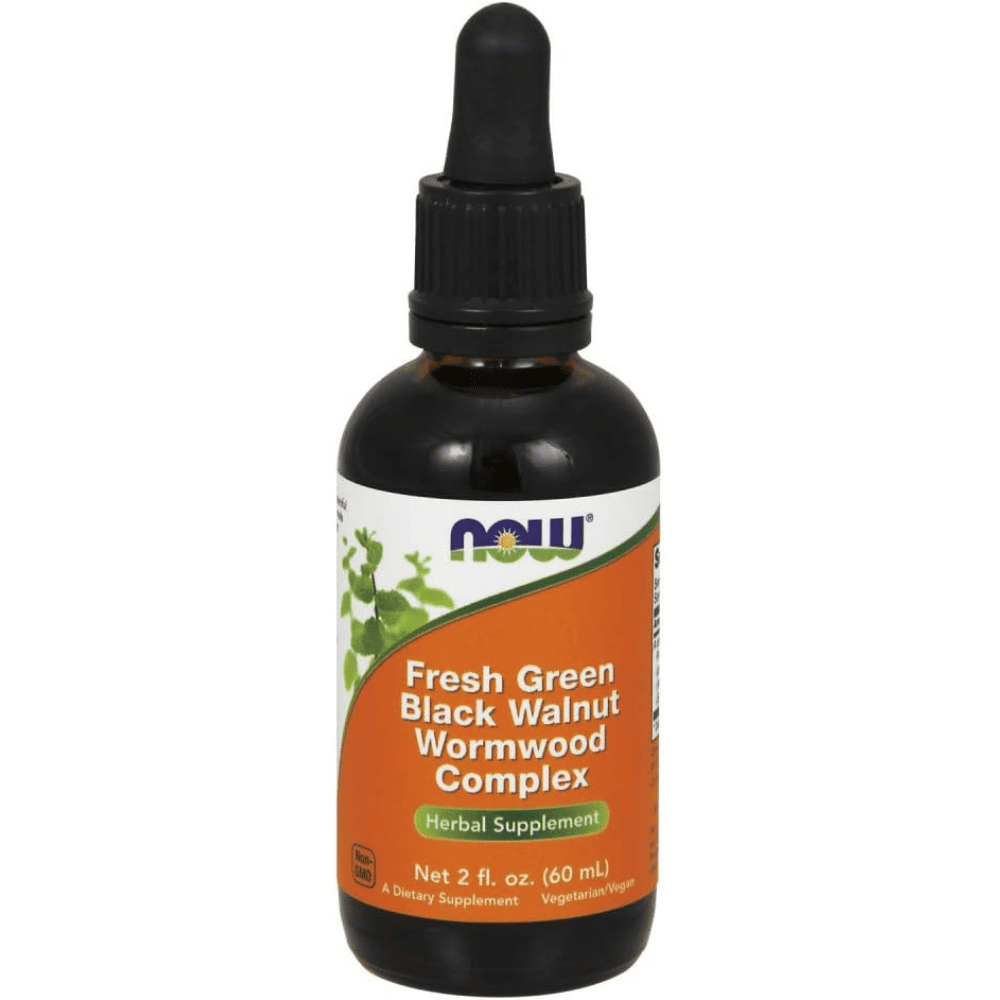
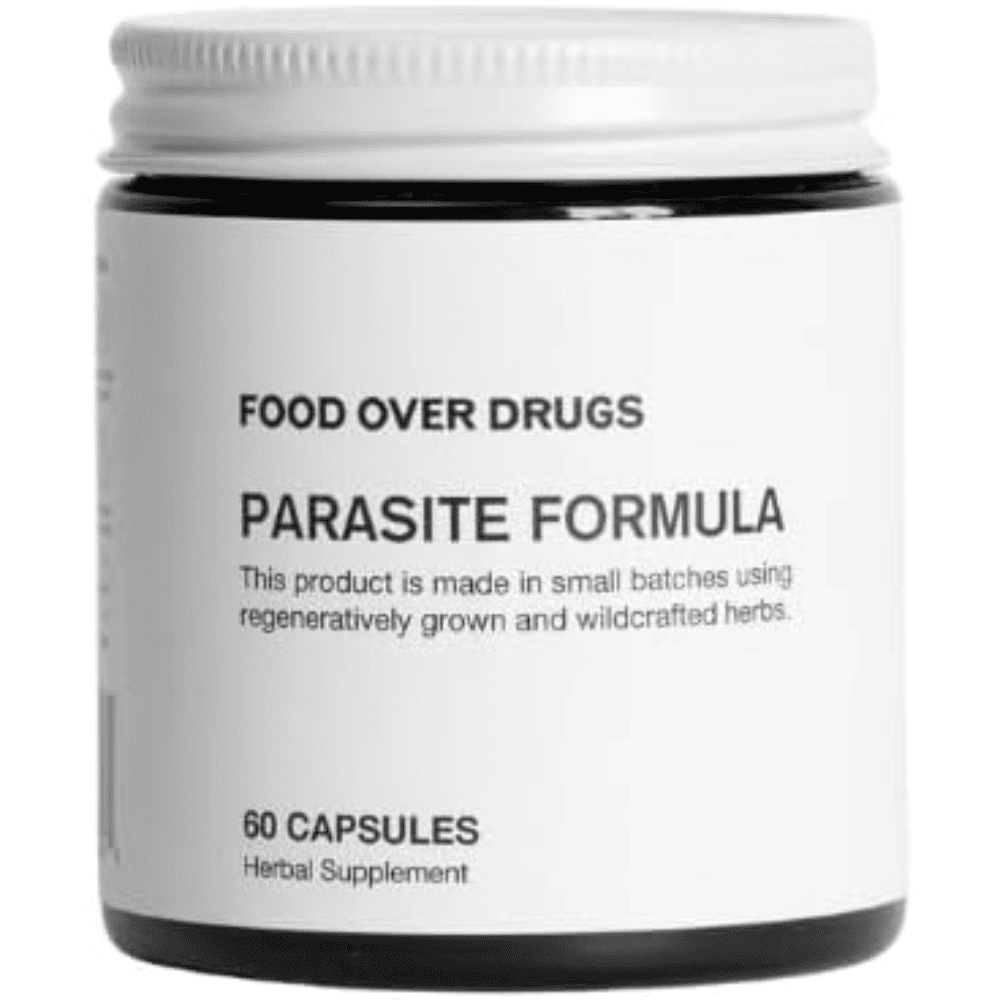
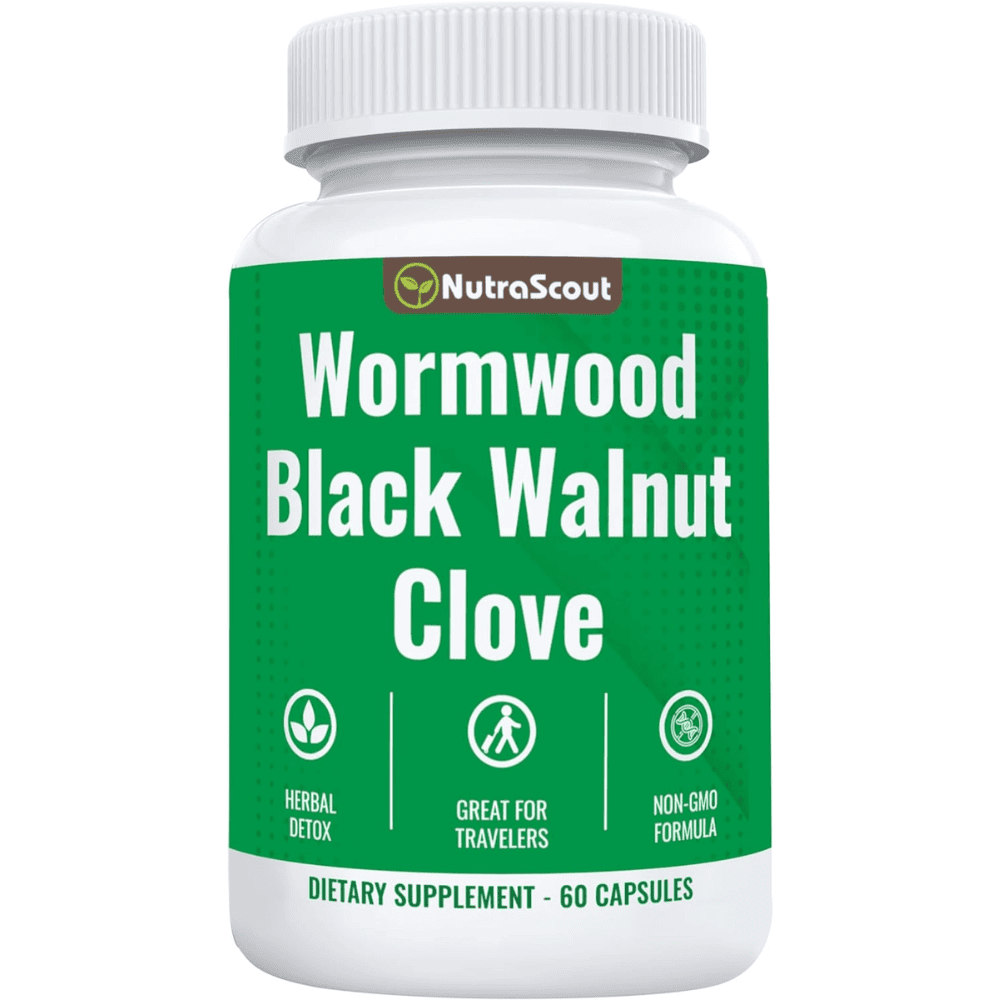
Recommended Products
As an Amazon Associate and affiliate partner, we earn from qualifying purchases. Product recommendations are based on research and editorial judgment, not compensation.
References
- Abdel-Hafeez EH, et al. In vivo antiparasitic activity of garlic (Allium sativum) and ginger (Zingiber officinale) extracts on experimentally infected mice with Blastocystis spp. Parasitol Res. 2015;114(9):3439-3444. doi:10.1007/s00436-015-4569-x
- Lin RJ, et al. Anthelmintic activities of ginger (Zingiber officinale) against Anisakis simplex. Parasitol Res. 2010;107(6):1471-1477. doi:10.1007/s00436-010-2020-5
- Mahmoud A, et al. Ginger (Zingiber officinale) and its bioactive component 6-shogaol exhibit antiparasitic effects against Toxoplasma gondii. Food Chem Toxicol. 2020;146:111826. doi:10.1016/j.fct.2020.111826
- Iqbal Z, et al. In vitro anthelmintic activity of Allium sativum, Zingiber officinale, Curcurbita mexicana and Ficus religiosa. Int J Agric Biol. 2001;3(4):454-457.
- Nikkhah Bodagh M, et al. Ginger in gastrointestinal disorders: A systematic review of clinical trials. Food Sci Nutr. 2019;7(1):96-108. doi:10.1002/fsn3.807
Get the Free 30-Day Parasite Cleanse Plan
Evidence-based protocols, supplement schedules, and dietary guidance delivered to your inbox.