The Connection Between Diet and Parasite Infections
Medical Disclaimer
This content is for informational purposes only and does not constitute medical advice. Consult a qualified healthcare provider before starting any treatment, supplement, or cleanse program. If you suspect a parasitic infection, seek professional medical diagnosis.
The food on your plate does far more than simply fuel your body. It shapes the entire ecosystem of your gut -- influencing which microbes thrive and which ones are suppressed, how well your immune system functions, and whether your digestive environment is hospitable or hostile to parasites. The connection between diet and parasitic infections is one of the most underappreciated dimensions of nutritional health.
In this article, we explore how specific foods attract parasites or invite infection, how certain foods actively fight them, the crucial role of the gut microbiome in parasite resistance, and how to eat strategically both during and after a parasite cleanse. Whether you are trying to prevent a first infection or recover from one, understanding the food-parasite connection gives you a powerful tool that is available at every meal.
Foods That Attract Parasites: Sugar, Raw Meat, and Contaminated Produce
Just as some foods repel parasites, others create the perfect environment for them to thrive. Knowing which foods to limit -- and understanding the food safety risks that can introduce parasites directly into your body -- is the foundation of a parasite-protective diet.
Refined Sugar and Simple Carbohydrates
Parasites, like all organisms, need energy to survive and reproduce. Their preferred fuel is sugar. Diets high in refined sugar, white flour, processed foods, and sweet beverages create an intestinal environment rich in the glucose that parasites depend on for energy. High sugar intake also:
- Suppresses immune function, reducing the body's ability to fight off infections
- Feeds yeast and Candida overgrowth, which frequently co-occurs with parasitic infections
- Disrupts the gut microbiome, reducing the population of beneficial bacteria that compete with parasites
- Creates inflammation, which weakens the intestinal barrier and makes it easier for parasites to penetrate
Raw and Undercooked Meat
This is one of the most direct ways parasites enter the body. Raw or undercooked meat is a primary vehicle for:
- Tapeworms: Beef tapeworm (Taenia saginata) and pork tapeworm (Taenia solium) are transmitted through undercooked beef and pork respectively. Pork tapeworm carries the additional risk of cysticercosis, where larvae form cysts in the brain and other organs.
- Toxoplasma gondii: Undercooked lamb, pork, and venison are common sources of this widely prevalent protozoan parasite.
- Trichinella spiralis: Found in undercooked pork and wild game, this parasite causes trichinellosis, affecting muscles and potentially the heart and central nervous system.
- Anisakis: Found in raw or undercooked fish and seafood, including sushi and sashimi made with non-frozen fish.
Thorough cooking to the recommended internal temperatures kills all of these parasites. Freezing fish at -20C for 7 days also kills Anisakis. These basic food safety practices are among the most important parasite prevention measures you can take.
Unwashed and Contaminated Produce
Fruits and vegetables grown in soil or irrigated with water that has been contaminated with animal or human feces can carry parasite eggs and cysts on their surfaces. Common parasites transmitted this way include Ascaris, Trichuris (whipworm), Giardia, and Cryptosporidium. Leafy greens with many surfaces and crevices are particularly susceptible. Always wash produce thoroughly, even if it says pre-washed on the label.
Foods That Fight Parasites: Garlic, Pumpkin Seeds, and Papaya
Nature has furnished us with a remarkable array of foods that contain compounds with direct antiparasitic activity. Including these regularly in your diet is one of the most powerful preventive strategies available:
- Garlic: Raw garlic contains allicin, a sulfur compound with documented activity against protozoan parasites, bacteria, and fungi. Allicin is only released when garlic is crushed or chopped and is partially destroyed by cooking, so raw garlic is most potent. Crushing a clove and letting it sit for 10 minutes before consuming maximizes allicin production. Learn more about garlic for parasite cleansing.
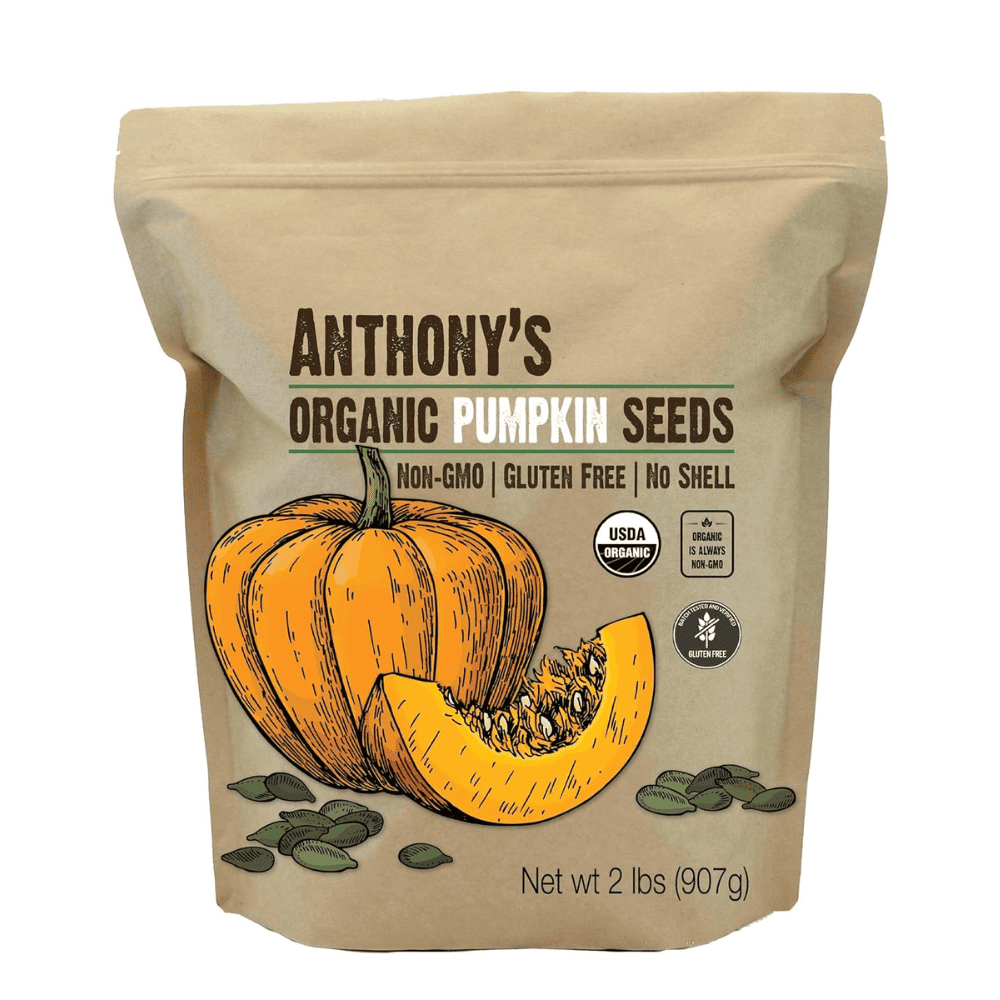
- Pumpkin Seeds: Contain cucurbitacin, which paralyzes intestinal worms and facilitates their expulsion. Eating a half cup of raw pumpkin seeds daily during a cleanse is a traditional and research-supported practice.
- Papaya and Papaya Seeds: The enzyme papain and compound benzyl isothiocyanate in papaya flesh and seeds help break down the protein coating of parasites and eggs. See our full guide on papaya seeds for parasites.
- Coconut and Coconut Oil: Lauric acid and caprylic acid in coconut have demonstrated antimicrobial and antiparasitic activity, particularly against protozoa. Incorporating coconut oil into cooking or adding it to smoothies supports a cleanse.
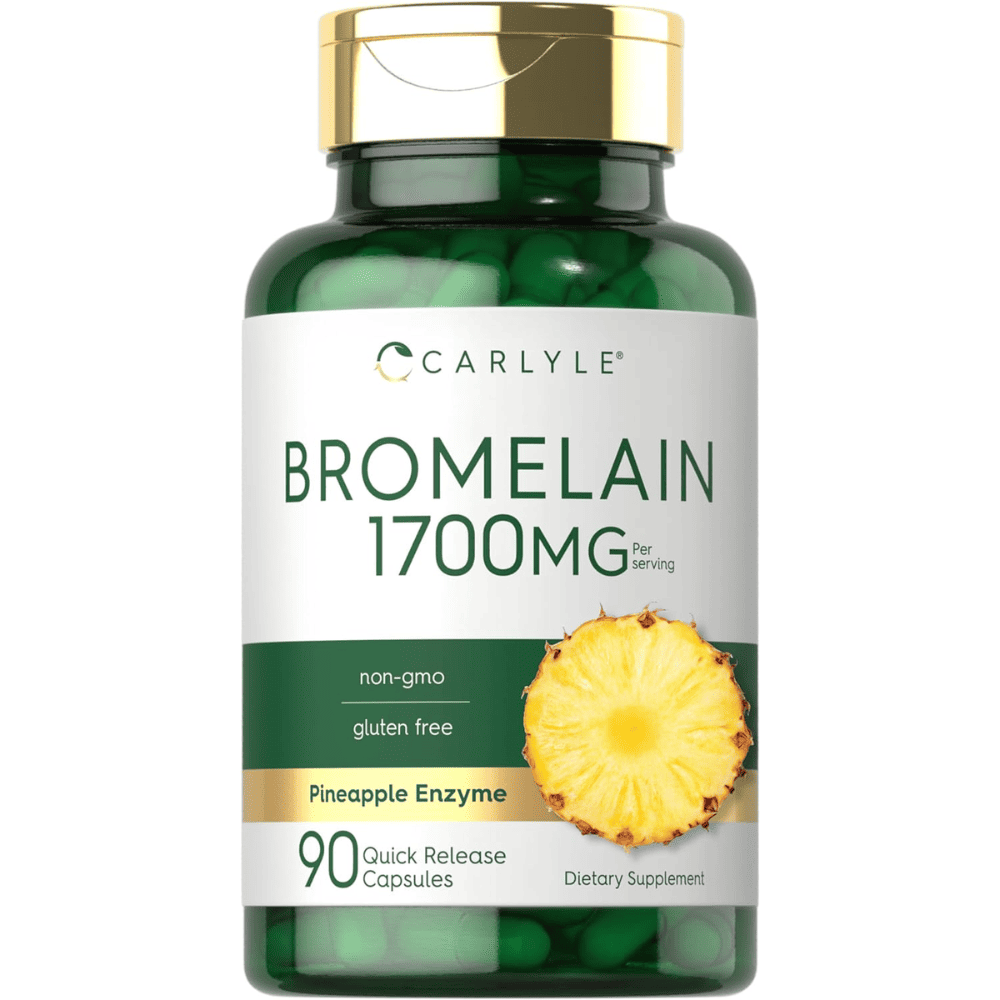
- Pineapple: Contains the enzyme bromelain, which helps break down parasite protein structures in the gut.
- Pomegranate: Pomegranate peel extract has long been used in traditional medicine for intestinal worms. Research confirms activity against tapeworm and roundworm.
- Apple Cider Vinegar: Creates an acidic gut environment that is less hospitable to many parasites while supporting digestive enzyme production.
- Turmeric: Curcumin in turmeric has anti-inflammatory and some antiparasitic activity, particularly useful for reducing the gut inflammation that makes parasite establishment easier.
The Gut Microbiome Connection: Your Best Defense Against Parasites
One of the most important but least discussed aspects of parasite prevention is the role of the gut microbiome. A healthy, diverse gut microbiome represents one of the body's most powerful defenses against parasitic colonization. Understanding this connection changes how we think about diet and parasite prevention.
Here is how the microbiome protects you from parasites:
- Competitive exclusion: Beneficial bacteria physically occupy space and consume resources that parasites would otherwise use. A dense, healthy microbiome leaves little room for parasites to establish themselves.
- Antimicrobial compound production: Beneficial bacteria produce short-chain fatty acids, bacteriocins, and other compounds that directly inhibit the growth of parasites and pathogenic microbes.
- Immune system calibration: The gut microbiome trains the immune system to recognize and respond appropriately to threats. A well-calibrated immune system mounts faster, more effective responses to parasitic invasion.
- Mucus layer maintenance: Beneficial bacteria help maintain the protective mucus layer that lines the gut wall, making it harder for parasites to attach and penetrate.
Conversely, a disrupted microbiome (dysbiosis) -- caused by antibiotic use, processed food diets, stress, or previous infections -- dramatically increases vulnerability to parasitic infection. This is why rebuilding gut flora is a critical component of both parasite prevention and post-cleanse recovery.
Diet is the single most powerful lever available for shaping the microbiome. Fermented foods (yogurt, kefir, sauerkraut, kimchi, miso), high-fiber vegetables, and prebiotic foods (onions, garlic, leeks, asparagus, green bananas) feed beneficial bacteria and help maintain a protective microbiome.
How to Eat to Prevent Parasitic Infections
Building a parasite-protective diet is not about extreme restriction -- it's about consistent smart choices that make your gut a hostile environment for parasites and a supportive environment for your own cells. Here are the key principles:
- Minimize refined sugar and processed foods: This single change does more to protect your gut from all pathogens -- including parasites -- than almost any supplement.
- Cook meat thoroughly: Use a meat thermometer and ensure pork, beef, and poultry reach safe internal temperatures.
- Wash all produce: Wash under running water, use a produce brush for root vegetables, and soak leafy greens in clean water for several minutes.
- Eat prebiotic and probiotic foods daily: Nourish your gut microbiome with fermented foods and fiber-rich vegetables consistently.
- Include antiparasitic foods regularly: Raw garlic, pumpkin seeds, and coconut oil can be part of your routine diet, not just during a cleanse.
- Stay hydrated: Adequate hydration supports digestion, keeps the gut moving, and helps flush any ingested pathogens before they establish themselves.
- Limit alcohol: Alcohol disrupts gut flora, increases intestinal permeability, and impairs immune function -- all of which increase parasite susceptibility.
Foods to Avoid During a Parasite Cleanse
If you are actively doing a parasite cleanse, your diet becomes even more important. Certain foods can directly interfere with the effectiveness of the cleanse or provide fuel for parasites during the cleanse period. Foods to strictly avoid during a cleanse include:
- All refined sugar and sweets: Including honey, maple syrup, fruit juice, sodas, and desserts
- Processed and packaged foods: These typically contain hidden sugars, additives, and preservatives that feed pathogens and stress the liver
- Alcohol: Impairs liver function right when you need it working optimally to process die-off toxins
- Gluten-containing grains: Can increase intestinal permeability and inflammation during the sensitive cleanse period
- Dairy: Can be mucus-forming and is pro-inflammatory for many people, adding to the detox burden
- Raw meat and raw fish: Any potential new parasitic infection during a cleanse would significantly complicate and extend recovery
- Pork: Has a traditional association with parasitic risk and some holistic practitioners recommend avoiding it during and immediately after a cleanse
Rebuilding Gut Health After a Parasite Cleanse
The work is not done when the active cleanse phase ends. Parasitic infections and many antiparasitic herbs both disrupt the gut microbiome. Rebuilding gut health is essential to prevent rapid re-infestation and to fully restore digestive function and immune resilience.
A post-cleanse gut restoration protocol should include:
- High-quality probiotics: Start with a multi-strain probiotic containing Lactobacillus and Bifidobacterium species. Take for at least 4-8 weeks post-cleanse.
- Prebiotic foods: Feed the newly repopulated bacteria with fiber-rich foods -- onions, garlic, leeks, asparagus, Jerusalem artichokes, and green bananas.
- Gut healing nutrients: L-glutamine, zinc carnosine, and collagen peptides help repair the intestinal lining that parasites have damaged.
- Bone broth: Rich in collagen, glycine, and gut-healing compounds, bone broth is one of the best foods for restoring intestinal integrity post-cleanse.
- Fermented foods: Add sauerkraut, kimchi, kefir, and miso gradually to diversify the rebuilding microbiome.
- Anti-inflammatory foods: Prioritize omega-3 rich foods (wild salmon, flaxseeds, walnuts), colorful vegetables, and turmeric to reduce lingering gut inflammation.
For a complete, food-based approach to parasite cleansing and gut restoration, explore our 30-Day Parasite Detox Plan, which provides detailed daily meal guidance and supplement protocols.
RELATED READ: The Anti-Parasitic Diet: Top Foods to Fight Parasites Naturally
Recommended Products
As an Amazon Associate and affiliate partner, we earn from qualifying purchases. Product recommendations are based on research and editorial judgment, not compensation.
Get the Free 30-Day Parasite Cleanse Plan
Evidence-based protocols, supplement schedules, and dietary guidance delivered to your inbox.