7 Anti-Parasitic Foods to Include in Your Diet for a Natural Cleanse
Medical Disclaimer
This content is for informational purposes only and does not constitute medical advice. Consult a qualified healthcare provider before starting any treatment, supplement, or cleanse program. If you suspect a parasitic infection, seek professional medical diagnosis.
Parasites are tiny organisms that can live inside our bodies and silently rob us of nutrients, energy, and good health. Thankfully, certain foods can help fight these unwanted guests naturally. This article explores seven powerful anti-parasitic foods you can add to your diet today for a healthier, cleaner gut -- no harsh protocols required.
Understanding Parasites
Before diving into the foods, let's understand what parasites are. Parasites are organisms that live in or on another host organism and get their food from it. In humans, they can cause stomach pain, diarrhea, fatigue, and weight loss. Some of the most common parasites include:
- Roundworms: These worms live in the intestines and cause bloating, nausea, and malnutrition.
- Tapeworms: Found in undercooked meat or fish, these worms attach to the intestines.
- Giardia: A microscopic parasite often found in contaminated water.
7 Common Anti-Parasitic Foods You Can Include in Your Diet
Eating the right foods can help your body naturally cleanse parasites while improving overall health.
1. Garlic: The Super Anti-Parasitic Food
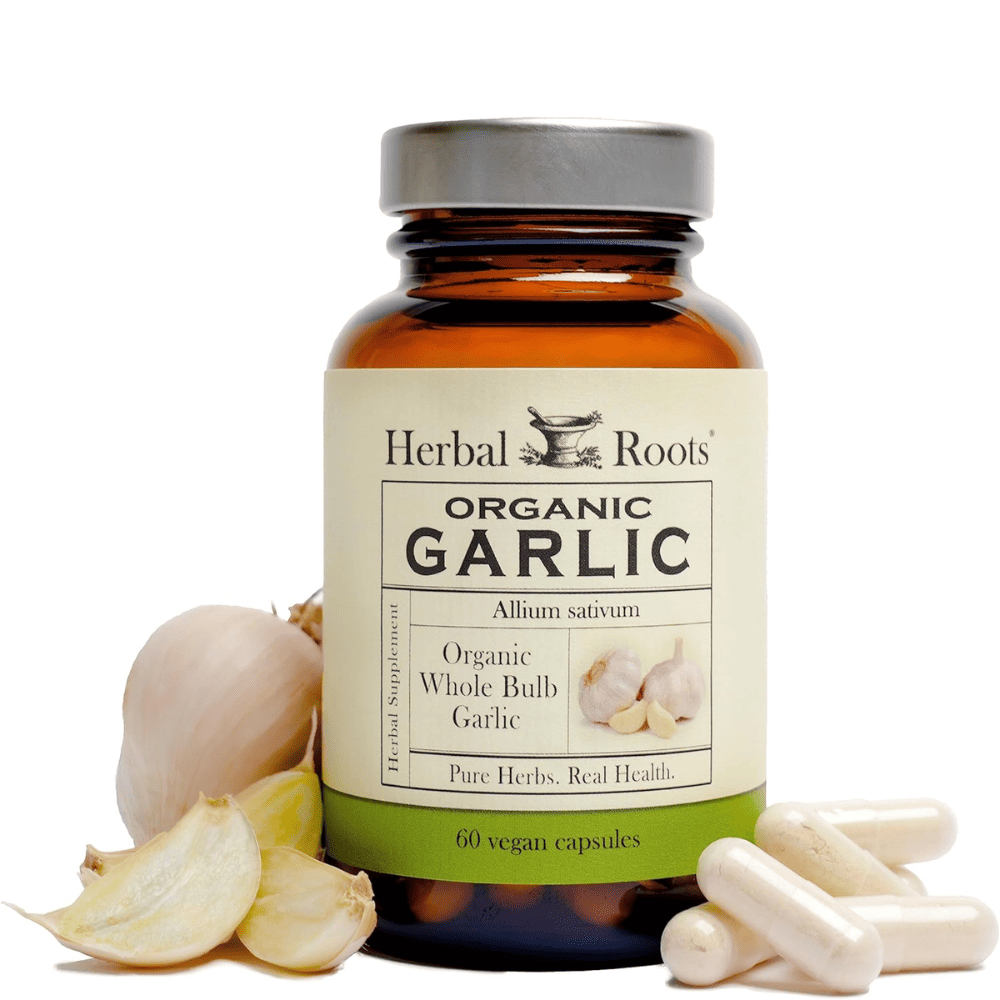
Garlic is one of the most well-known natural remedies for parasites. It contains a powerful compound called allicin, which has anti-parasitic, antibacterial, and antifungal properties. Garlic disrupts the parasites' ability to grow and multiply in your body.
How to use: Eat 1-2 raw garlic cloves daily. Crushing or chopping garlic and letting it sit for a few minutes helps activate allicin. Add garlic to soups, salads, or stir-fry dishes.
2. Papaya Seeds: Tiny Powerhouses
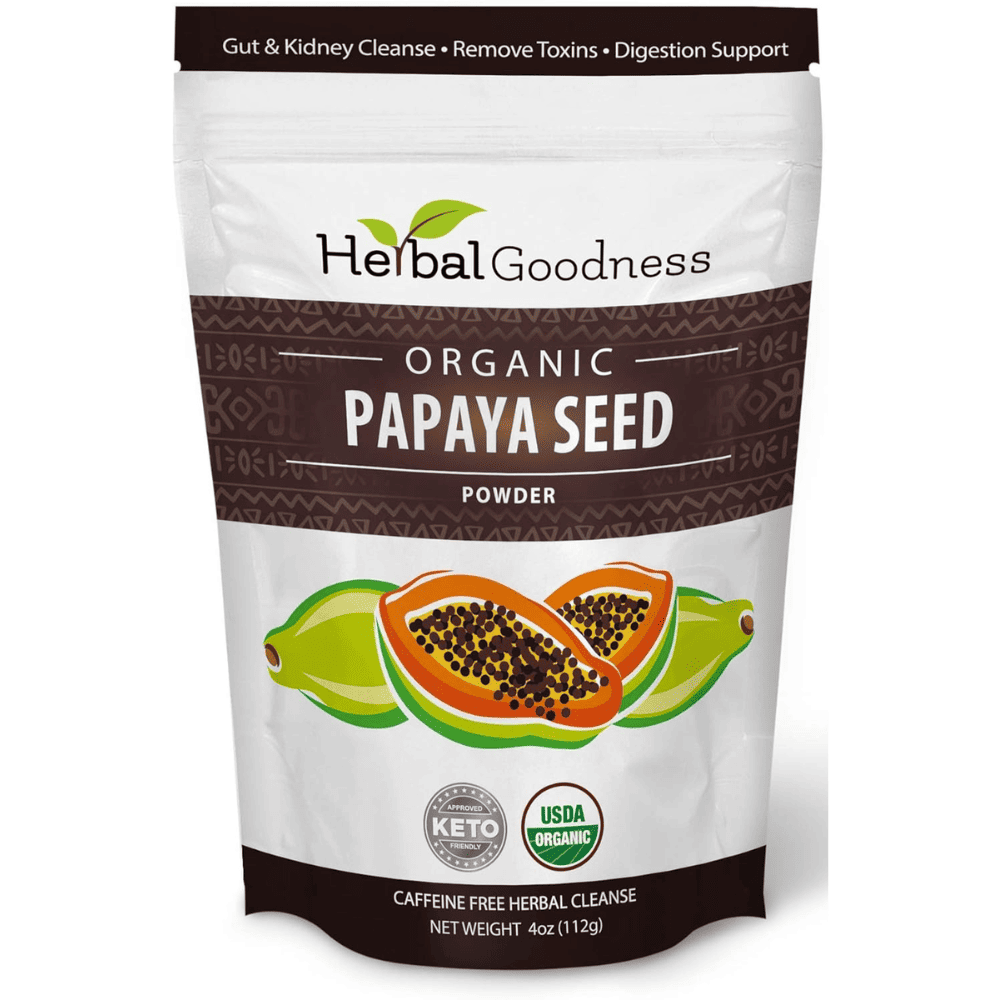
Papaya seeds might be small, but they pack a punch when it comes to killing parasites. They contain enzymes like papain and caricin, which help break down the outer layers of parasites and eliminate them from the body. Papaya seeds can paralyze intestinal worms, making it easier for your body to flush them out.
How to use: Scoop out seeds from a ripe papaya, dry them, and grind them into powder. Mix a teaspoon of papaya seed powder with honey and consume it on an empty stomach.
3. Pumpkin Seeds: Parasites' Worst Nightmare
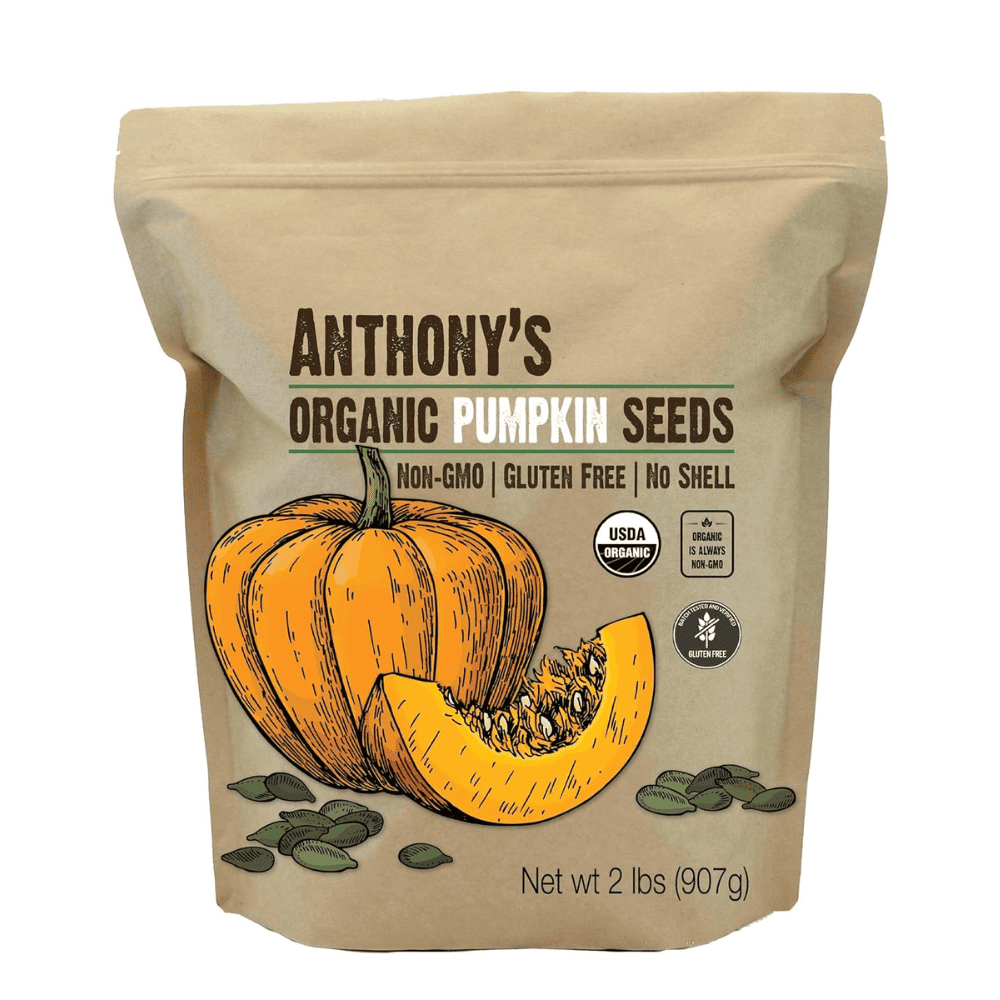
Pumpkin seeds contain cucurbitacin, a compound that paralyzes worms and prevents them from holding onto the intestinal walls. When worms can't cling to the intestines, they are easily expelled from the body.
How to use: Eat a handful of raw, unsalted pumpkin seeds as a snack, or blend them into smoothies and sprinkle them over salads for added crunch.
4. Pineapple: A Sweet Parasite Cleanse
Pineapple contains bromelain, an enzyme that breaks down proteins and helps digest the protective coating of parasites. Bromelain can weaken intestinal worms, making them easier to remove from the body.
How to use: Eat fresh pineapple slices as a snack, or add pineapple chunks to smoothies, yogurt, or fruit salads.
5. Coconut: A Tasty Parasite Fighter
Coconut is a versatile food that can help fight parasites in multiple ways. The medium-chain fatty acids in coconut can kill parasites and prevent their growth. Coconut oil has antimicrobial properties, while coconut flesh and water provide hydration and nutrients.
How to use: Eat fresh coconut meat or drink coconut water daily. Use coconut oil for cooking or mix it into smoothies and coffee.
Did You Know? Coconut oil's medium-chain fatty acids (caprylic and lauric acid) are also effective against Candida yeast overgrowth -- making coconut a powerful two-in-one gut cleanser.
6. Ginger: A Warming Remedy
Ginger is not only great for digestion but also effective against parasites. It helps boost stomach acid, which creates an environment where parasites cannot survive. Ginger's compounds, like gingerol, have anti-parasitic properties that help expel worms and other pests.
How to use: Add fresh ginger slices to hot water for a soothing tea, or incorporate grated ginger into your meals such as soups and stir-fries.
7. Turmeric: The Golden Cleanser
Turmeric, often called the "golden spice," is a powerful anti-inflammatory and anti-parasitic agent. Its active ingredient, curcumin, helps cleanse the body, fights infections, and boosts the immune system, making it easier for your body to fight off parasites.
How to use: Add a teaspoon of turmeric powder to warm milk or tea, or use fresh turmeric root in curries, soups, or smoothies.
Other Natural Options to Consider
Besides the seven foods listed above, there are other natural options worth exploring:
- Cloves: Known for their antimicrobial properties, cloves can help kill parasite eggs.
- Oregano Oil: A natural antibiotic and antifungal agent with proven broad-spectrum effects.
- Probiotics: Found in fermented foods like yogurt and kefir, probiotics support gut health and combat infections.
- Apple Cider Vinegar: Helps balance stomach acid and create an unfriendly environment for parasites.
Foods to Avoid to Prevent Parasite Infections
To prevent parasites, it's just as important to avoid certain foods:
- Undercooked Meat or Fish: These are common sources of parasites.
- Unwashed Fruits and Vegetables: Always wash produce thoroughly.
- Sugary Foods: Parasites thrive on sugar, so limit your intake.
- Unfiltered Water: Stick to filtered or boiled water, especially in areas with poor sanitation.
When to Seek Medical Attention: If you experience severe abdominal pain, prolonged diarrhea, or unexplained weight loss, consult a doctor immediately. Natural foods support gut health, but confirmed parasitic infections may require medical treatment.
Parasite Cleanses
Parasite cleanses are diets or supplements designed to rid your body of parasites. They often include herbs, enzymes, and specific foods to create a hostile environment for parasites. If you're interested in a structured approach, try our free 30-day parasite cleanse plan.
FAQs About Parasite Infection and Anti-Parasitic Foods
- Q: Can children consume anti-parasitic foods? Yes, but consult a pediatrician for the appropriate amount.
- Q: How long does it take for anti-parasitic foods to work? Results vary, but consistent consumption over a few weeks can show improvements.
- Q: Are there side effects to eating anti-parasitic foods? Most are safe, but excessive consumption of garlic or ginger may cause stomach upset.
- Q: Do I need supplements to fight parasites? Not necessarily. A balanced diet with these foods often suffices, but supplements can help in severe cases.
Recommended Products
As an Amazon Associate and affiliate partner, we earn from qualifying purchases. Product recommendations are based on research and editorial judgment, not compensation.
Get the Free 30-Day Parasite Cleanse Plan
Evidence-based protocols, supplement schedules, and dietary guidance delivered to your inbox.