How to Prevent Parasite Infections: Tips for Everyday Life
Medical Disclaimer
This content is for informational purposes only and does not constitute medical advice. Consult a qualified healthcare provider before starting any treatment, supplement, or cleanse program. If you suspect a parasitic infection, seek professional medical diagnosis.
When it comes to parasitic infections, the old saying holds true: an ounce of prevention is worth a pound of cure. Treating an established parasitic infection -- particularly a chronic one that has disrupted your gut microbiome, depleted your nutrients, and taxed your immune system -- is considerably harder than taking consistent, simple steps to prevent one in the first place.
The good news is that the core strategies for preventing parasitic infections are practical and accessible. They don't require expensive treatments or dramatic lifestyle changes. In this comprehensive guide, we walk through all the key prevention pillars: food safety, water safety, hygiene habits, pet care, travel precautions, immune system support, and when to do a preventive cleanse. Mastering even a few of these areas dramatically reduces your risk.
Food Safety: The Most Common Route of Exposure
The majority of parasitic infections are acquired through food. Contaminated produce, undercooked meat, and improperly handled food are the primary vehicles. Solid food safety practices are your first and most important line of defense.
Washing Produce Thoroughly
Fruits and vegetables can carry parasite eggs and cysts on their surfaces, particularly when grown in soil fertilized with animal manure or irrigated with contaminated water. Thorough washing is essential:
- Wash all produce under running water for at least 30 seconds, even if pre-washed or organic
- Use a clean produce brush for firm produce like apples, potatoes, and cucumbers to scrub the surface
- Soak leafy greens in a bowl of clean water, swish, drain, and repeat 2-3 times
- Remove outer leaves of lettuce, cabbage, and other leafy greens before washing
- When traveling in areas with questionable produce hygiene, stick to fruits and vegetables with thick skins you can peel yourself, or cook produce thoroughly
Safe Meat Handling and Cooking
Thorough cooking is the most reliable way to eliminate parasites in meat. Here are the key guidelines:
- Beef: Cook steaks and roasts to at least 145°F (63°C). Ground beef should reach 160°F (71°C)
- Pork: Cook to at least 145°F (63°C). Pork is a primary vehicle for Taenia solium (pork tapeworm) and Trichinella
- Poultry: Cook to 165°F (74°C) throughout
- Fish and seafood: Cook to 145°F (63°C). For raw fish (sushi, sashimi, ceviche), freezing at -20°C for at least 7 days before consuming kills most parasites
- Use a meat thermometer rather than guessing by color or texture
- Do not cross-contaminate: use separate cutting boards and utensils for raw meat and other foods
Avoiding High-Risk Foods
Some foods carry inherently higher parasitic risk and warrant particular caution:
- Raw oysters and shellfish (Cryptosporidium, Giardia)
- Raw or undercooked pork (tapeworm, Trichinella)
- Raw sushi from non-frozen fish (Anisakis, tapeworms)
- Unpasteurized dairy products
- Untreated water, including ice made from untreated water
Hand sanitizer does not kill all parasite cysts. Physical handwashing with soap and water for at least 20 seconds is required to effectively remove parasite eggs from your hands -- especially after using the toilet, handling animals, or gardening.
Water Safety: A Frequently Overlooked Risk
Water is one of the most common vehicles for parasitic infection, particularly for protozoan parasites like Giardia and Cryptosporidium. These parasites are remarkably hardy -- Cryptosporidium oocysts are resistant to standard chlorination levels used in municipal water treatment.
Home Water Safety
- Use a water filter certified to NSF/ANSI Standard 53 or 58, which removes protozoa and cysts. Simple carbon filters do not remove parasites.
- Consider a whole-house filter if your water source is a well, particularly if livestock are nearby
- During municipal water boil advisories, follow instructions precisely -- boiling for 1 minute (3 minutes at altitude) kills all parasites
Travel Water Precautions
- Drink only bottled or treated water when traveling to regions with questionable water quality
- Avoid ice in drinks unless you know it was made from safe water
- Use bottled or boiled water even for brushing teeth in high-risk areas
- Carry water purification tablets (iodine or chlorine dioxide) or a portable filter for hiking and outdoor activities
- Be cautious of fresh fruit juices at street stalls if they may have been diluted with tap water
Recreational Water
- Avoid swallowing water when swimming in lakes, rivers, or pools
- Be aware that even treated swimming pools can harbor Cryptosporidium, which survives chlorination
- Shower before and after swimming in public pools
- Do not swim with open wounds, and avoid natural water bodies known to have poor water quality
Personal Hygiene Habits That Prevent Parasite Transmission
Many parasites are transmitted through the fecal-oral route -- meaning eggs or cysts from an infected person or animal end up in the environment, and then are ingested by a new host. Simple, consistent hygiene breaks this transmission chain effectively.
- Handwashing is paramount: Wash hands with soap and water for at least 20 seconds after using the toilet, before preparing food, after touching animals, after gardening, and after changing diapers.
- Keep fingernails clean and short: Parasite eggs can accumulate under fingernails, particularly in children. Regular nail trimming and scrubbing under nails during handwashing is important.
- Avoid touching your face: Minimize touching your mouth, nose, and eyes with unwashed hands, as this is a direct transmission route for parasites and many other pathogens.
- Shower after outdoor activities: If you've been gardening, hiking, or working in soil where animal contamination is possible, shower promptly and wash work clothes.
- Wear footwear outdoors: Hookworm larvae can penetrate skin directly through bare feet. Always wear shoes when walking on potentially contaminated soil, especially in warmer climates where hookworm is endemic.
- Use gloves when gardening: Soil can contain Toxocara eggs (from cats and dogs) and other parasites. Wear gloves and wash hands thoroughly after any soil contact.
Pet Care: Managing Zoonotic Parasite Risk
Pets are a meaningful source of parasitic exposure, particularly for families with young children. Regular, proactive pet care reduces risk substantially for the whole household:
- Regular veterinary deworming: Most veterinarians recommend deworming dogs and cats every 3-6 months, depending on lifestyle and exposure risk.
- Fecal testing for pets: Annual fecal exams at the vet detect parasites early. Don't skip this even if your pet appears healthy.
- Flea control: Fleas are intermediate hosts for the dog tapeworm Dipylidium caninum, which can infect humans who accidentally ingest infected fleas. Consistent flea prevention on pets is important.
- Prompt fecal cleanup: Remove pet feces from the yard and household daily. Parasite eggs in feces become infectious after a period in the environment.
- Keep pets off food preparation surfaces.
- Handwashing after pet contact: Always wash hands after petting animals, handling their food, or cleaning their living areas.
- Children and pets: Supervise young children's interactions with pets, and discourage face-licking and rough contact that increases fecal-oral transmission risk.
For more on this topic, see our article on parasite cleansing for pets.
Travel Precautions: Staying Parasite-Free Abroad
International travel significantly increases parasitic infection risk, particularly travel to tropical, subtropical, and developing regions. Planning ahead dramatically reduces risk:
- Research your destination: Before traveling, look up which parasites are endemic in the region you're visiting and what specific precautions are recommended.
- Get pre-travel vaccinations and medications: For regions with high parasite risk, some preventive medications may be recommended. Consult a travel health clinic before your trip.
- Follow food and water precautions strictly: The most common travel mistakes are drinking tap water, eating raw produce, and having ice in drinks.
- Eat at reputable establishments: Where possible, eat at restaurants where food is cooked to order and handled hygienically.
- Avoid swimming in untreated water: Rivers, lakes, and coastal areas in tropical regions may harbor Schistosoma and other waterborne parasites that can penetrate skin on contact.
- Insect bite prevention: Malaria, leishmaniasis, Chagas disease, and several filarial worm infections are all transmitted by insect vectors. Use insect repellent, sleep under treated bed nets, and wear long sleeves at dawn and dusk.
- Post-travel screening: If you develop any unexplained symptoms within a few weeks to a few months of returning from a high-risk destination, ask your doctor specifically about parasitic infections.
Boosting Immunity: Your Internal Defense System
Even with excellent hygiene and food safety practices, you will inevitably be exposed to parasites at some point. A strong, well-nourished immune system is your internal defense that determines whether an exposure becomes a full infection.
- Prioritize sleep: Immune function is deeply tied to sleep quality and quantity. Chronic sleep deprivation significantly impairs the immune response.
- Manage stress: Chronic stress elevates cortisol, which suppresses immune function.
- Eat a diverse, whole-food diet: A diet rich in vegetables, fruits, whole grains, legumes, and quality protein provides the micronutrients immune cells depend on.
- Maintain a healthy gut microbiome: The gut microbiome is both part of the immune system and its most important training ground. Fermented foods, fiber-rich vegetables, and avoiding unnecessary antibiotic use all support microbiome health.
- Key immune-supporting nutrients: Zinc (pumpkin seeds, oysters, legumes), vitamin D (sun exposure, fatty fish), vitamin C (citrus, bell peppers, broccoli), and probiotics all have well-established immune-supporting roles.
- Avoid excessive alcohol: Alcohol significantly impairs immune function and increases intestinal permeability, both of which increase susceptibility to parasitic infection.
Periodic preventive cleansing is a reasonable strategy given how common parasitic exposure is. Consider a preventive cleanse once or twice per year, after international travel, after a pet in the household has been diagnosed with a parasitic infection, or after a course of antibiotics. For a structured approach, explore our 30-Day Parasite Detox Plan.
When to Do a Preventive Parasite Cleanse
Even with all of the above precautions in place, periodic preventive cleansing is a reasonable strategy given how common parasitic exposure is. Think of it as the internal equivalent of routine dental cleaning -- you don't wait until you have a visible cavity to address the underlying buildup.
Consider a preventive cleanse in the following circumstances:
- Once or twice per year as general maintenance, particularly in spring and fall
- Within 4-6 weeks of returning from high-risk international travel
- After a pet in the household has been diagnosed with a parasitic infection
- After a food poisoning episode that disrupted gut health significantly
- When starting to notice mild, nonspecific digestive complaints, fatigue, or skin changes without a clear cause
- After a course of antibiotics, which disrupts gut flora and creates conditions more favorable to parasitic colonization
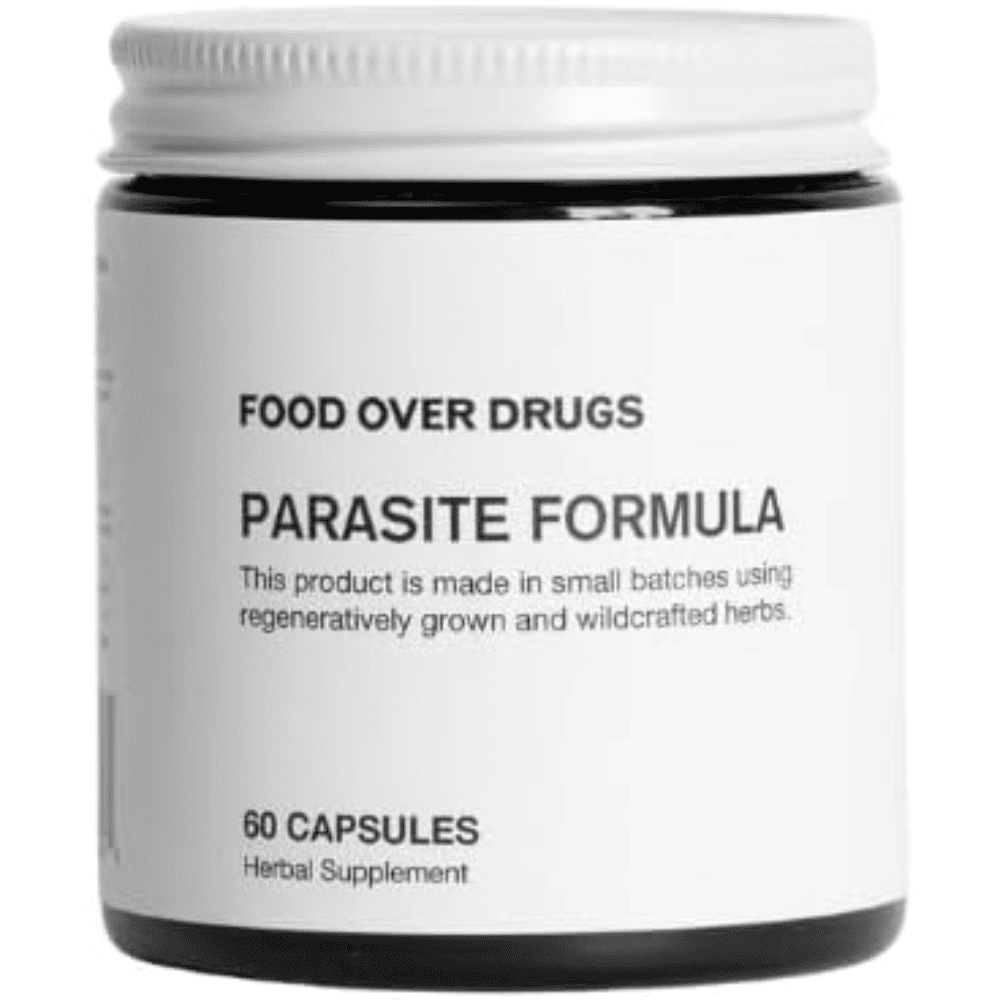
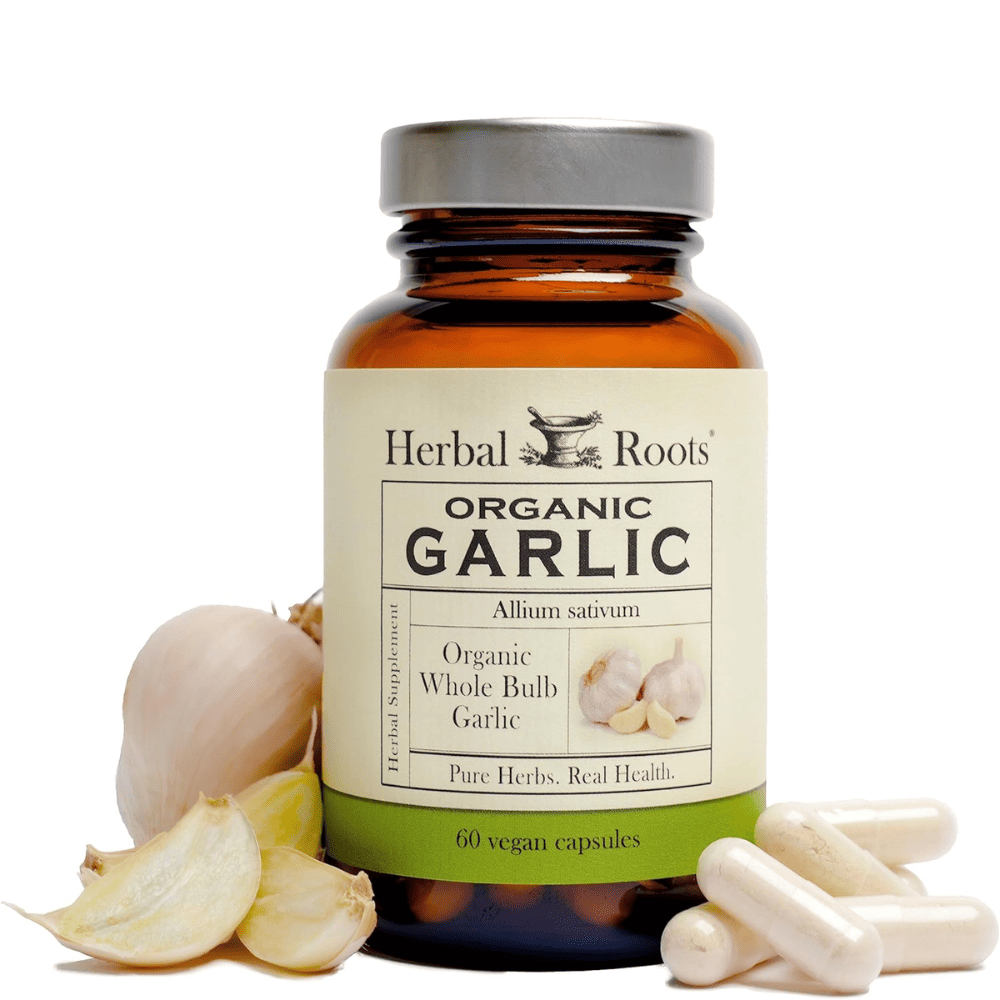
A preventive cleanse does not need to be aggressive. Incorporating antiparasitic foods like garlic, pumpkin seeds, and papaya seeds, reducing sugar, supporting the gut microbiome, and using gentle herbal support for 2-4 weeks is often sufficient as a preventive measure.
Recommended Products
As an Amazon Associate and affiliate partner, we earn from qualifying purchases. Product recommendations are based on research and editorial judgment, not compensation.
Get the Free 30-Day Parasite Cleanse Plan
Evidence-based protocols, supplement schedules, and dietary guidance delivered to your inbox.