5 Common Myths About Parasite Cleansing Debunked
Medical Disclaimer
This content is for informational purposes only and does not constitute medical advice. Consult a qualified healthcare provider before starting any treatment, supplement, or cleanse program. If you suspect a parasitic infection, seek professional medical diagnosis.
Parasite cleansing has gained popularity in recent years, fueled by anecdotal claims and the rise of natural health trends. Unfortunately, misinformation surrounding this topic has led many to adopt unnecessary or even harmful practices. In this article, we debunk five common myths about parasite cleansing and provide accurate information to help readers make informed decisions.
Myth 1: Everyone Has Parasites and Needs Regular Cleansing
The Myth: A prevalent belief is that everyone harbors harmful parasites and should undergo regular cleansing to maintain health.
The Reality: While parasites can infect humans, they are not as ubiquitous as some claims suggest. Infections are often linked to specific risk factors such as poor hygiene, contaminated water, or undercooked food. The signs of parasites in humans can vary widely and should not be assumed without medical testing. Routine cleansing without medical indication is unnecessary and can pose risks to your health.
Parasitic infections typically occur in specific environments, such as areas with inadequate sanitation. The idea that the average person must regularly cleanse to rid their body of parasites is not supported by scientific evidence.
Why It Matters: Unsupervised use of parasite cleanses can lead to side effects like nausea, dehydration, or organ damage. Moreover, some of these cleanses often lack regulatory oversight, meaning their ingredients and efficacy are not guaranteed. A healthcare professional can accurately diagnose a parasitic infection through proper testing, ensuring you receive the appropriate treatment if needed. Blindly cleansing without understanding your body's needs can do more harm than good.
Myth 2: Natural Supplements Are Sufficient to Eliminate Parasites
The Myth: Herbal supplements alone can effectively eradicate parasites without the need for medical intervention.
The Reality: While some natural ingredients like wormwood, black walnut, and cloves show promise, their efficacy in eliminating parasites completely is not universally proven. Some individuals have reported positive results from natural supplements, such as reduced digestive discomfort and improved energy levels. However, these outcomes are often anecdotal and not backed by robust scientific research.
Natural parasite cleanse effectiveness may depend on the type of parasite and the individual's overall health. For example, herbal remedies for parasites might help support digestion or improve gut health, which can create an unfavorable environment for certain parasites. However, these supplements are not a substitute for evidence-based medical treatments.
Why It Matters: Relying solely on unverified natural supplements can delay effective treatment, worsening symptoms or leading to complications. Additionally, individuals with pre-existing conditions may experience adverse reactions to certain supplements. Always consult a healthcare provider before using herbal remedies for parasites to ensure safety and efficacy. Combining professional advice with supportive natural approaches, where appropriate, can provide better outcomes.
Important: Natural herbs like wormwood, black walnut, and cloves have real antiparasitic properties -- but they work best as part of a comprehensive protocol, not as standalone cures. Always combine herbal support with dietary changes and professional guidance when symptoms are severe.
Myth 3: Parasite Cleanses Are Safe for Everyone
The Myth: Parasite cleanses are completely safe and suitable for all individuals.
The Reality: Parasite cleanses are not universally safe and may cause adverse effects, particularly in individuals with pre-existing health conditions or those taking certain medications. Common side effects include nausea, vomiting, diarrhea, and dehydration. Furthermore, the lack of standardization in over-the-counter products means their ingredients, dosages, and effects can vary widely, making them unpredictable.
Why It Matters: Safety concerns arise from the unregulated nature of many parasite cleanses. For instance, excessive use of certain herbs can strain the liver or kidneys, especially in individuals with existing health conditions. People with compromised immune systems or chronic illnesses may also be at higher risk of complications. Before starting any cleanse, it's crucial to consult a healthcare provider. They can help you assess whether a cleanse is necessary and guide you toward safe, effective options tailored to your needs.
Myth 4: Parasite Infections Are Common in Developed Countries
The Myth: Parasite infections are widespread, even in developed countries.
The Reality: Thanks to advancements in sanitation, water quality, and healthcare, parasite infections are relatively rare in developed nations. The average person in a developed country with good hygiene and sanitation practices is unlikely to get a parasite infection. While certain populations, such as travelers to high-risk areas or individuals consuming raw or undercooked foods, may face a higher risk, the general prevalence of parasites in developed countries is low.
Why It Matters: Overestimating the prevalence of parasites can lead to unnecessary worry and misuse of cleanses. Individuals can avoid potential infections by practicing proper hygiene, washing hands regularly, and ensuring food and water safety. These simple measures significantly reduce the risk of parasitic infections, making routine cleanses unnecessary for most people.
Myth 5: Self-Diagnosis and Treatment of Parasites Is Effective
The Myth: You can accurately diagnose and treat parasitic infections at home without medical assistance.
The Reality: While you can treat some parasite infections at home with some DIY natural treatment, self-diagnosis is often inaccurate because symptoms of parasitic infections, such as abdominal pain, fatigue, and diarrhea, can overlap with other conditions like irritable bowel syndrome or food intolerances. Without proper diagnostic tools, identifying a parasitic infection is challenging. Treating parasites at home without medical advice can lead to ineffective results and potential health risks.
Why It Matters: Misguided self-treatment can delay proper care, potentially leading to severe complications. Some parasites require specific medications to be eradicated effectively, and these treatments should be prescribed and monitored by a healthcare provider. Attempting a parasite cleanse without doctor guidance may overlook other underlying health issues or introduce harmful side effects from unverified products. Always seek professional evaluation for persistent symptoms or concerns to ensure accurate diagnosis and appropriate treatment.
How to Know You Need a Parasite Cleanse
Determining whether you need a parasite cleanse requires a careful evaluation of your symptoms, lifestyle, and potential risk factors. Here are some key indicators to consider:
- Persistent Digestive Issues: Symptoms like bloating, diarrhea, or unexplained abdominal pain can signal a parasitic infection, especially if they persist despite dietary adjustments.
- Unexplained Fatigue: Parasites can drain your body of essential nutrients, leading to chronic fatigue or weakness.
- Travel to High-Risk Areas: Visiting regions with poor sanitation or consuming contaminated food or water increases your risk of exposure to parasites.
- Skin Irritations: Unexplained rashes, itching, or other skin issues may indicate a parasitic infection.
- Unintended Weight Loss: Significant weight loss without changes to your diet or exercise routine could be a sign of parasitic activity.
If you experience these symptoms, consult a healthcare provider for diagnostic testing. A stool sample or blood test can confirm the presence of parasites and guide appropriate treatment. Self-diagnosing based on symptoms alone is not reliable and can lead to unnecessary or harmful treatments.
RELATED READ: Top 10 Signs You May Need a Parasite Cleanse | Symptoms of Parasitic Infection
Final Thoughts: Making Informed Choices
Parasite cleansing is a nuanced topic, and it's essential to separate fact from fiction. While parasitic infections do occur, they are not as common or universally impactful as some claims suggest. Here are some key takeaways to keep in mind:
- Consult Professionals: Always seek medical advice before starting any cleanse or treatment.
- Avoid Unverified Products: Stick to evidence-based treatments and avoid cleanses lacking proper testing.
- Practice Prevention: Good hygiene, proper food handling, and safe drinking water are your best defenses against parasites.
By debunking these myths, we hope to empower you with accurate information to make informed health decisions. Remember, your well-being starts with understanding the facts.
The Takeaway: Knowledge is your best protection. Understanding the real risks and the real limitations of parasite cleansing allows you to make proportionate, effective decisions -- rather than being driven by fear or misinformation.
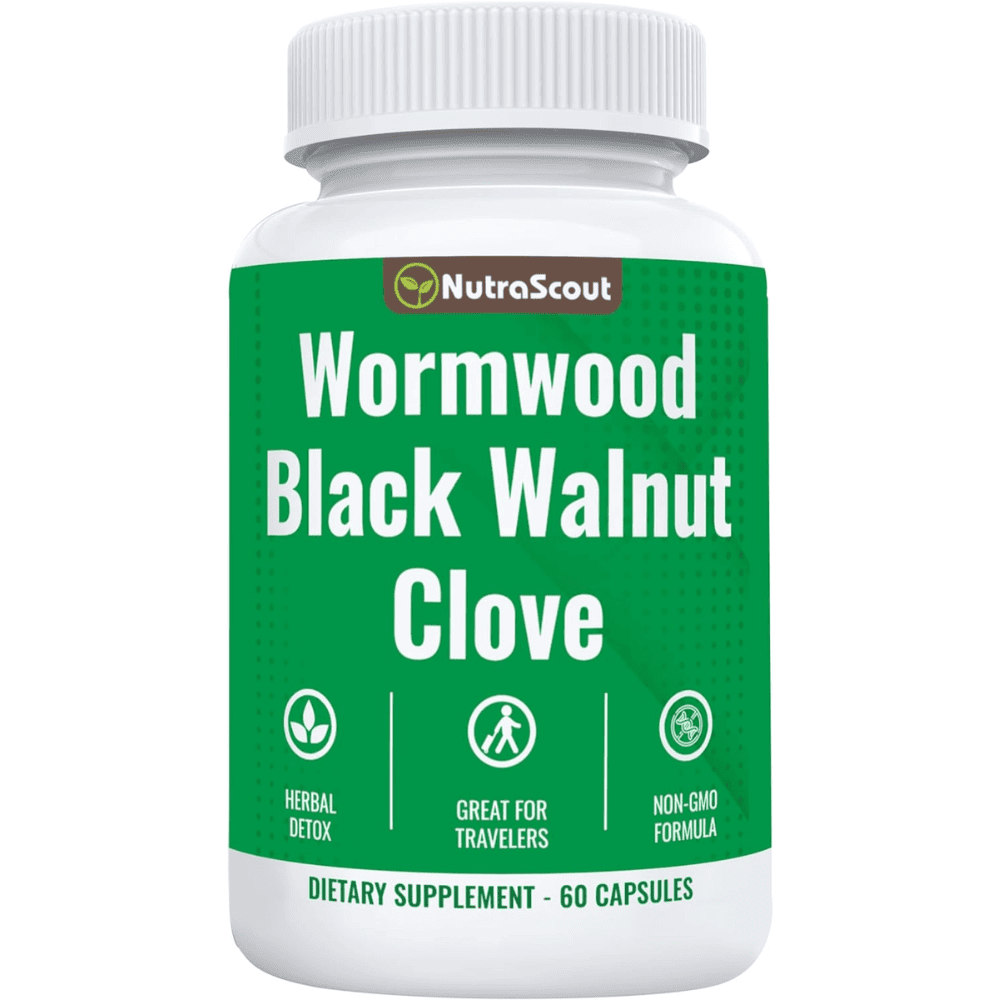
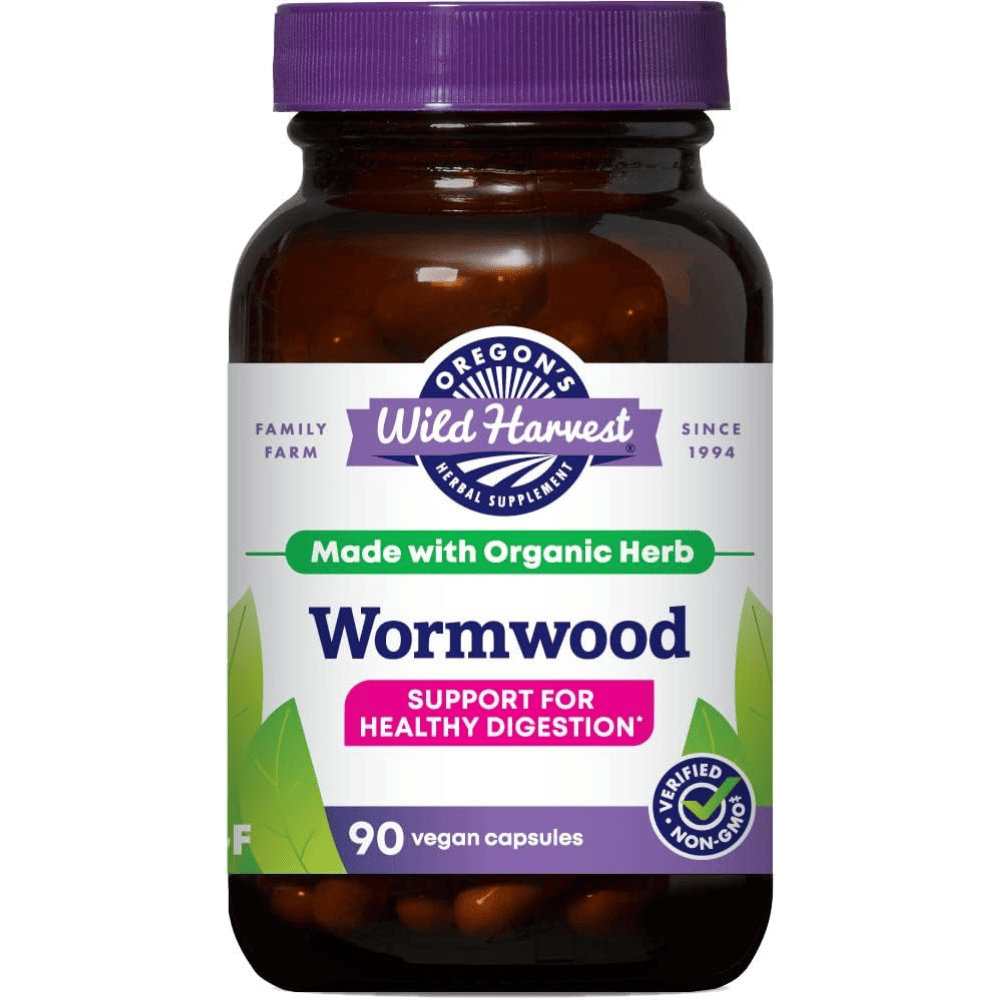
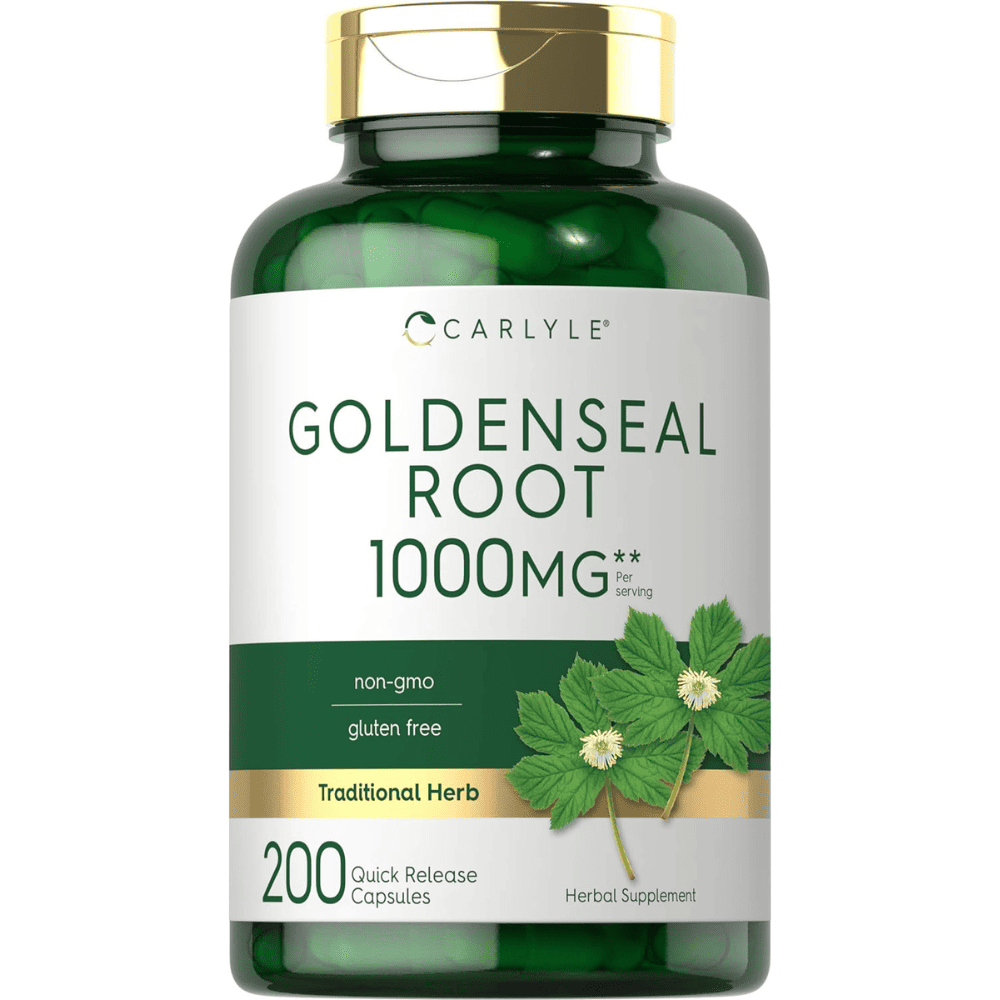
Recommended Products
As an Amazon Associate and affiliate partner, we earn from qualifying purchases. Product recommendations are based on research and editorial judgment, not compensation.
Get the Free 30-Day Parasite Cleanse Plan
Evidence-based protocols, supplement schedules, and dietary guidance delivered to your inbox.