The Anti-Candida Diet: 12 Proven Candida Killers That Restore Gut Health Naturally
Medical Disclaimer
This content is for informational purposes only and does not constitute medical advice. Consult a qualified healthcare provider before starting any treatment, supplement, or cleanse program. If you suspect a parasitic infection, seek professional medical diagnosis.
Candida might sound like the name of someone you'd meet at a health food store, but it's actually a type of fungus (or yeast) that lives in your body, mostly in your mouth, gut, and on your skin. And while Candida is supposed to be there in small amounts, it can become a big problem when it grows out of control. If you've ever felt bloated for no reason, struggled with brain fog, skin issues, chronic fatigue, or stubborn digestive problems, Candida overgrowth could be the reason. The good news? With the right diet and natural remedies, you can fight back naturally.
What Is Candida Overgrowth?
Candida is a type of yeast that lives in and on our bodies. It's totally normal to have a little Candida hanging out in your digestive tract or mouth. In fact, your immune system and healthy gut bacteria usually keep it in check.
But when something throws your system out of balance -- like antibiotics, a diet high in sugar and processed foods, chronic stress, or hormonal changes -- Candida can grow like weeds in an untended garden. This condition is called Candidiasis, and it can cause a whole host of health issues. Some common symptoms include:
- Gas, bloating, or constipation
- Sugar cravings that feel out of control
- Skin issues like eczema, acne, or rashes
- Fatigue that doesn't improve with rest
- Brain fog and trouble focusing
- Recurring vaginal yeast infections or urinary tract infections
- White coating on the tongue (a sign of oral thrush)
- Weakened immune system
What Causes Candida to Overgrow?
Think of your gut like a rainforest -- diverse, balanced, and full of life. But when the balance shifts, invasive species can take over. Here are some of the biggest triggers of Candida overgrowth:
- Antibiotics -- They kill off both bad and good bacteria, leaving your gut wide open for Candida to take over.
- High-sugar, high-carb diets -- Candida loves sugar. When your diet is full of refined carbs, soda, and sweets, you're basically feeding the yeast.
- Chronic stress -- Stress weakens your immune system and disrupts your gut-brain connection.
- Oral contraceptives and steroids -- These can disrupt your hormone balance and gut microbiome.
- Weakened immunity -- A weakened immune system gives Candida a chance to grow unchecked.
Candida also often appears alongside parasites, especially in people with poor gut health. In many cases, you'll want to tackle both issues at once.
How the Anti-Candida Diet Works
The anti-Candida diet is simple in theory: starve the yeast and feed your body what it needs to heal. Since Candida thrives on sugar and fermented carbs, the diet focuses on removing those food sources and replacing them with gut-healing, antifungal, and immune-supporting foods.
- Cut out sugar and refined carbs (including gluten)
- Avoid alcohol, moldy foods, and certain yeasty or fermented products
- Focus on whole, unprocessed foods
- Eat non-starchy vegetables, healthy fats, and high-quality proteins
- Include antifungal herbs and supplements
- Rebuild your gut flora with probiotics and fermented (low-sugar) foods
Key Insight: The anti-Candida diet doesn't just kill off yeast -- it helps your gut heal, improves digestion, and makes your whole body more resilient. Pair it with a parasite cleanse for a complete gut reset.
12 Natural Candida Killers That Actually Work
Now, let's talk about the good stuff: natural Candida killers that work with your body, not against it. These foods and herbs have been shown to help fight off Candida overgrowth while supporting gut health, immunity, and digestion.
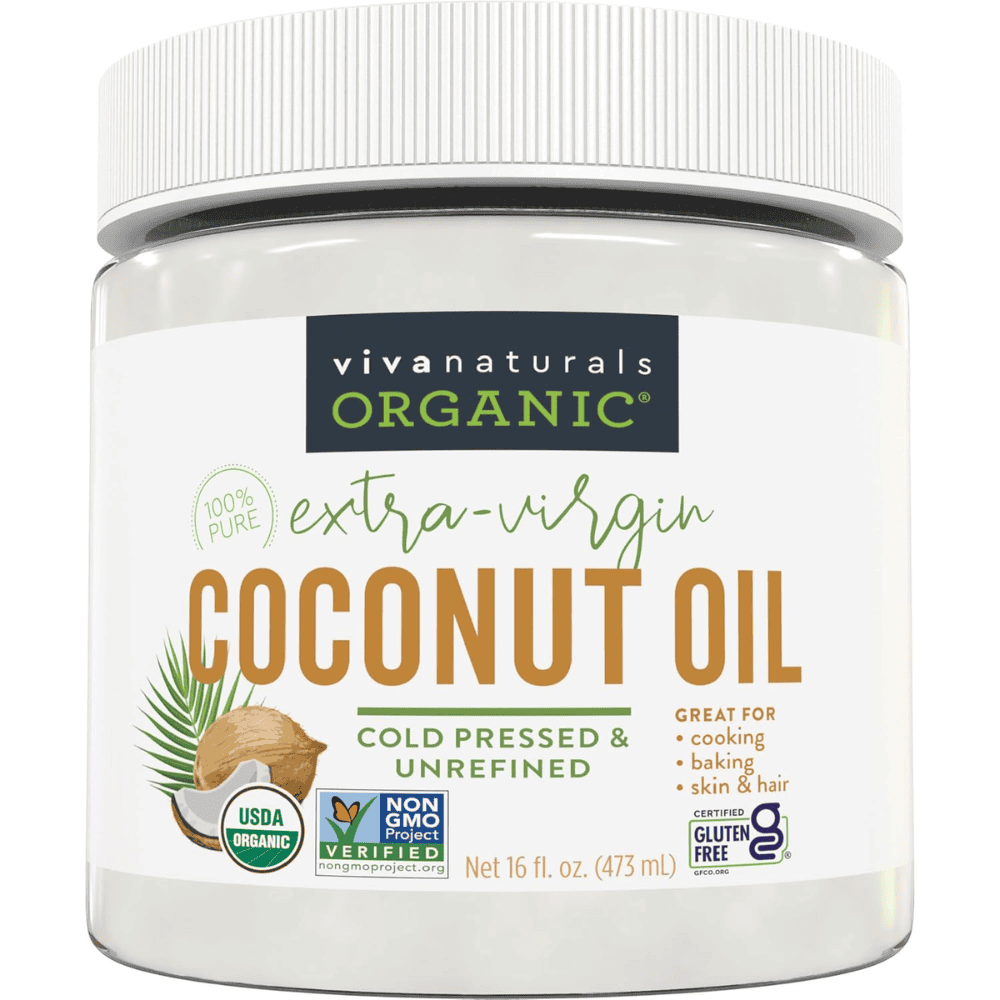
- Coconut Oil -- Rich in caprylic acid and lauric acid, two powerful fatty acids with natural antifungal properties. Try adding 1-2 tablespoons of virgin coconut oil to your meals each day.
- Garlic -- The active compound allicin has been shown to kill Candida in test-tube studies. Crush raw garlic and let it sit for 10 minutes before eating to activate allicin.
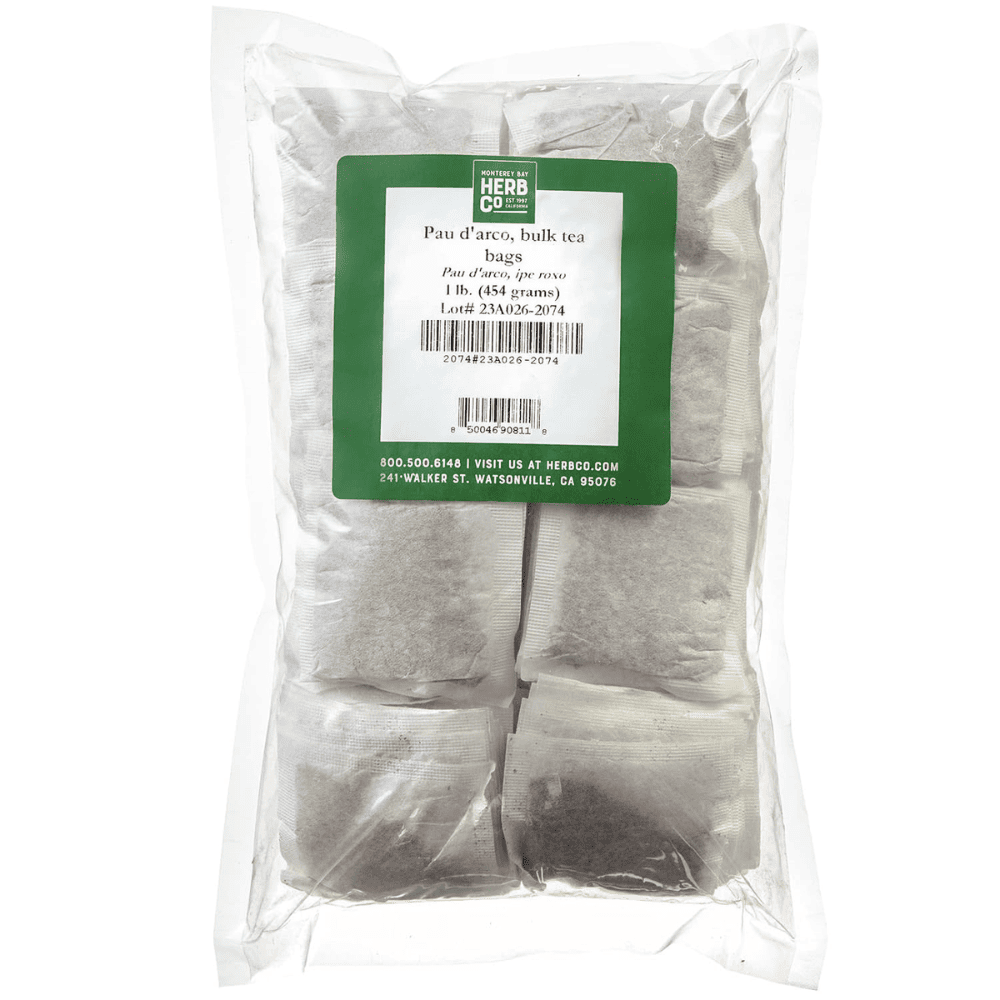
- Pau D'Arco Tea -- This South American herb has strong antifungal, antiviral, and anti-inflammatory properties. Drink 1-2 cups of Pau D'Arco tea per day to support your cleanse.
- Apple Cider Vinegar -- Raw ACV has an alkalizing effect, helps balance stomach pH, and improves digestion. Add 1-2 teaspoons to a glass of water before meals.
- Ginger -- Anti-inflammatory, antibacterial, and great for digestion. It supports the liver during Candida die-off and keeps the digestive tract moving.
- Turmeric -- Contains curcumin, a powerful anti-inflammatory and antifungal compound shown to inhibit Candida growth and biofilm formation.
- Olive Leaf Extract -- Contains oleuropein, which breaks down Candida's defenses and prevents it from replicating. Start with a low dose to avoid intense die-off symptoms.
- Clove Oil -- Contains eugenol, a compound that breaks through Candida's biofilm and stops it from spreading. Always dilute properly before use.
- Probiotics -- Restoring healthy bacteria is just as important as killing yeast. Choose high-quality probiotics including Saccharomyces boulardii, which fights Candida directly.
- Non-Starchy Vegetables -- Leafy greens, cucumbers, zucchini, cauliflower, and bell peppers are low in sugar and high in fiber to feed beneficial gut bacteria.
- Bone Broth -- Rich in collagen and amino acids like glutamine, which help repair the gut lining and build your best defense against future overgrowths.
- Berberine-Containing Herbs -- Berberine (found in goldenseal, Oregon grape root, barberry) is a broad-spectrum antimicrobial shown to kill Candida, harmful bacteria, and parasites.
Foods to Avoid on the Anti-Candida Diet
To starve Candida, you've got to stop feeding it. Avoid the following foods, especially during the first 4-6 weeks of the diet:
- Sugar in all forms (including honey, maple syrup, agave, and artificial sweeteners)
- Refined grains and flours (white bread, pasta, crackers)
- Alcohol (especially beer and wine)
- Processed foods and junk food
- Yeast-containing foods (bread, beer, vinegar -- except apple cider vinegar)
- Moldy foods (peanuts, dried fruit, aged cheeses)
How Long to Stay on the Diet: Most people follow the anti-Candida diet for 4 to 12 weeks, depending on severity. When symptoms improve and energy returns, you can slowly reintroduce healthy carbs and natural sugars while keeping Candida-fighting habits in your routine.
Final Tips to Beat Candida for Good
Beating Candida is not just about killing off yeast -- it's about rebuilding your gut health and restoring balance. Here are some final reminders:
- Stay hydrated and support your liver with lemon water, herbal teas, and cruciferous vegetables
- Don't skip probiotics -- they help prevent future overgrowth
- Be patient with die-off symptoms (like fatigue or brain fog) -- they are temporary
- Pair your Candida protocol with a parasite cleanse for a more complete gut reset
- Stay consistent -- natural healing takes time
Frequently Asked Questions
How do I know if I have Candida overgrowth? Common signs include bloating, sugar cravings, fatigue, brain fog, recurring yeast infections, white coating on the tongue, skin issues, and digestive problems.
Can I follow the anti-Candida diet and do a parasite cleanse at the same time? Yes. Candida and parasites often coexist, and many people get better results when tackling both simultaneously with gut-friendly approaches.
Will Candida die-off symptoms make me feel worse at first? Some people experience fatigue, brain fog, or flu-like symptoms as Candida cells die and release toxins. Stay hydrated, support your liver, and rest -- it's temporary and a sign your body is detoxing.
Can Candida overgrowth come back? Yes, especially if root causes like poor diet, antibiotics, or stress are not addressed. Long-term gut health strategies including a diverse diet, probiotic support, and regular parasite cleansing are essential for staying Candida-free.
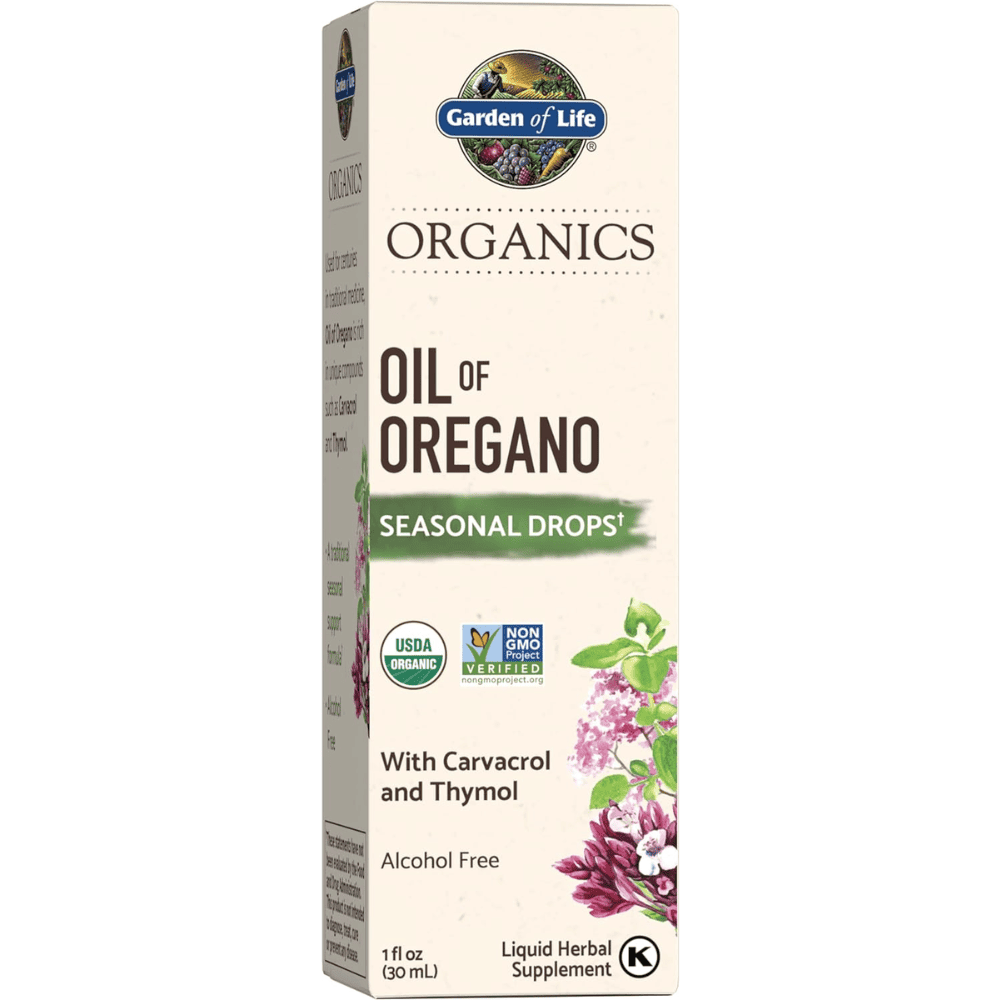
Recommended Products
As an Amazon Associate and affiliate partner, we earn from qualifying purchases. Product recommendations are based on research and editorial judgment, not compensation.
Get the Free 30-Day Parasite Cleanse Plan
Evidence-based protocols, supplement schedules, and dietary guidance delivered to your inbox.