Signs You Might Have a Parasite Infection
Medical Disclaimer
This content is for informational purposes only and does not constitute medical advice. Consult a qualified healthcare provider before starting any treatment, supplement, or cleanse program. If you suspect a parasitic infection, seek professional medical diagnosis.
One of the most challenging aspects of parasitic infections is that they are masters of disguise. The symptoms they produce -- bloating, fatigue, skin issues, brain fog -- are so common and so easily attributed to other causes that millions of people live with undiagnosed parasitic infections for months or even years. Meanwhile, the parasites quietly drain their host's nutrients, damage the gut lining, and keep the immune system perpetually on edge.
If you have been dealing with unexplained, persistent health complaints that haven't responded well to standard treatments, it's worth considering whether a parasitic infection might be involved. This article walks you through the full spectrum of signs and symptoms associated with parasite infections, from digestive distress to unusual behavioral changes, so you can make an informed decision about whether to get tested or try a natural cleanse.
Digestive Signs: Bloating, Diarrhea, Gas, and IBS-Like Symptoms
The digestive tract is the primary home of most intestinal parasites, so it makes sense that gut symptoms are often the first and most prominent signs of infection. Unfortunately, these symptoms closely mimic irritable bowel syndrome (IBS), food intolerances, and other common digestive conditions, which is why they are so often misdiagnosed.
The most common digestive signs of a parasitic infection include:
- Bloating and gas: Parasites disrupt normal gut flora and fermentation patterns, often leading to excessive gas production and uncomfortable abdominal distension. The bloating may feel worse after meals or in the evenings.
- Diarrhea or loose stools: Many parasites, including Giardia and Cryptosporidium, produce toxins that interfere with water absorption in the gut, leading to watery or loose stools. This can alternate with constipation in some cases.
- Constipation: Some larger worms, like roundworms, can physically obstruct portions of the intestine, leading to difficulty passing stool.
- Abdominal cramping: Parasites irritate and inflame the intestinal lining. The body responds with spasms and cramping, particularly after eating.
- Unexplained weight loss: Some parasites compete directly with you for nutrients, absorbing what you eat before your body can. Despite a normal or even increased appetite, you may lose weight unexpectedly.
- Increased hunger or unusual appetite: Some people notice constant hunger, sugar cravings, or an inability to feel satisfied after eating -- all potential signs that parasites are taking a share of your nutritional intake.
- Nausea: Particularly common in the early stages of infection, or when parasite burden is high.
If you have been diagnosed with IBS and your symptoms have not responded well to standard dietary changes, it may be worth asking your doctor to test for parasites. Many IBS diagnoses are made after other conditions have been ruled out -- but parasites are not always tested for as a matter of routine.
Skin Symptoms: Rashes, Eczema, and Hives
Your skin is often the mirror of your internal health. When parasites are present, the immune system mounts an ongoing inflammatory response and toxins released by parasites can circulate through the bloodstream and trigger skin reactions.
Common skin symptoms associated with parasitic infections include:
- Unexplained rashes: Skin rashes without an obvious cause, particularly those that come and go or migrate across the body, can be a sign of parasitic toxin exposure.
- Eczema or psoriasis flares: Chronic inflammatory skin conditions can be triggered or worsened by the systemic immune activation that parasites cause. If your eczema is particularly difficult to control, parasites may be a contributing factor.
- Hives (urticaria): Hives are a common allergic-type reaction to parasitic antigens circulating in the blood. Chronic hives without a clear allergic trigger have been linked to parasitic infections in a number of studies.
- Itching without rash: Generalized pruritus (itching) can result from elevated histamine levels caused by parasitic immune activation, even without visible skin changes.
- Cutaneous larva migrans: In the case of certain hookworm species, the larvae can migrate just under the skin, creating distinctive red, raised, winding tracks. This is a direct sign of a specific type of parasitic infection.
- Slow-healing wounds: Parasites drain zinc and other nutrients essential for skin repair. People with active parasitic infections sometimes notice that cuts and wounds take longer than usual to heal.
If you have persistent, unexplained skin issues -- especially combined with digestive symptoms -- it is worth considering whether an underlying parasitic infection might be driving the immune activation.
Systemic Symptoms: Fatigue, Brain Fog, and Joint Pain
Parasitic infections are not limited to the gut and skin. When parasites are present, the entire body is affected. The immune system runs in a state of chronic activation, nutrients are diverted away from vital functions, and inflammatory compounds circulate throughout the body. The result is a range of systemic symptoms that can profoundly impact quality of life.
Key systemic symptoms of parasitic infections include:
- Chronic fatigue: This is one of the most commonly reported symptoms. Even when you sleep enough, you may feel perpetually tired and unrefreshed. This happens because parasites steal nutrients and because the immune system's ongoing activity is energetically expensive.
- Brain fog: Difficulty concentrating, memory problems, mental sluggishness, and feeling "disconnected" can all result from the neurological effects of parasitic toxins and the metabolic drain of chronic infection.
- Mood changes and anxiety: The gut-brain axis is well-established in science. When the gut is under attack from parasites and the gut microbiome is disrupted, it directly affects mood, anxiety levels, and even depression risk.
- Joint and muscle pain: Some parasites migrate through the body and take up residence in muscle or joint tissue. The immune response to this can cause chronic inflammatory pain that resembles fibromyalgia or arthritis.
- Anemia: Parasites like hookworms feed on blood from the intestinal wall. This can cause iron-deficiency anemia, manifesting as fatigue, pallor, shortness of breath, and weakness.
- Immune dysfunction: Long-standing parasitic infections can dysregulate the immune system, making you more susceptible to other infections and contributing to autoimmune-like symptoms.
Sleep Disturbances: Teeth Grinding and Night Sweats
Sleep-related symptoms are among the more surprising signs of parasitic infection, yet they are frequently reported by people who later test positive for parasites. Two symptoms in particular stand out:
Bruxism (teeth grinding at night): This is perhaps the most classically associated sleep symptom with parasitic infection. The theory is that parasites become more active at night, particularly during the full moon cycle when parasite activity peaks. This increased activity irritates the nervous system, leading to nighttime restlessness and teeth grinding. While not all bruxism is caused by parasites, it is worth considering if grinding is a new or worsening problem without an obvious dental cause.
Night sweats: Some parasitic infections trigger immune responses that disrupt the body's thermoregulation, leading to sweating at night even when the room is cool. Night sweats combined with other symptoms on this list are worth investigating.
Restless sleep and nighttime waking: Disrupted sleep patterns, difficulty staying asleep, and waking at specific times each night (particularly around 1-3 am, when the liver is most active in detoxification) have been associated with parasitic infections by some holistic practitioners.
Itching around the anus at night: This is a classic, textbook sign of pinworm infection. Female pinworms migrate to the perianal area at night to lay eggs, causing intense itching that disrupts sleep. This symptom is particularly common in children but can affect adults too.
Unusual Cravings and Appetite Changes
One of the more intriguing aspects of parasitic infection is the effect parasites can have on their host's cravings and appetite. Parasites are, in a sense, highly motivated to ensure their own survival, and some research suggests they may influence the host's behavior to serve this goal.
Common appetite and craving changes associated with parasites include:
- Intense sugar and carbohydrate cravings: Many parasites thrive on sugar. There is a compelling theory -- though research is still emerging -- that parasites may influence gut signaling in ways that drive the host to consume more of the foods that benefit the parasite's growth.
- Insatiable hunger: When parasites are consuming a significant share of your nutritional intake, your body may register persistent hunger signals even after adequate meals.
- Loss of appetite: Conversely, some parasitic infections cause nausea, gut inflammation, and hormonal changes that suppress appetite significantly, leading to unintended weight loss.
- Pica (craving non-food items): In some cases, particularly in children, parasitic infections cause iron and zinc deficiency severe enough to trigger pica -- an urge to eat soil, chalk, or other non-food substances. This is more common in areas with heavy hookworm burden.
When to Get Tested for Parasites
While self-assessment based on symptoms is a reasonable first step, proper testing is the only way to confirm a parasitic infection and identify which parasite is involved. Here are the main scenarios that warrant professional testing:
- You have traveled internationally, particularly to tropical, subtropical, or developing regions, within the past year
- You have persistent digestive symptoms (lasting more than 2-3 weeks) that haven't responded to dietary changes
- You have been diagnosed with IBS but symptoms haven't improved with standard treatments
- You have multiple symptoms from this list, particularly if they appeared together or after a specific event (travel, food poisoning episode, etc.)
- You have pets that have tested positive for parasites, or you work with animals
- You frequently hike, camp, or have contact with untreated water sources
- Children in your household show signs of pinworms (perianal itching at night)
Testing options include stool microscopy (standard parasite test), PCR-based stool testing (more sensitive and comprehensive), blood tests for specific parasites, and specialized tests like tape testing for pinworms. Note that standard stool tests can miss many parasites, so if your test comes back negative but symptoms persist, consider requesting a more comprehensive panel.
What to Do If You Suspect a Parasitic Infection
If you recognize many of the symptoms described in this article, here are your practical next steps:
- See your doctor for testing. Request a comprehensive stool test and explain your symptoms and any travel history. PCR-based testing is more sensitive than traditional microscopy.
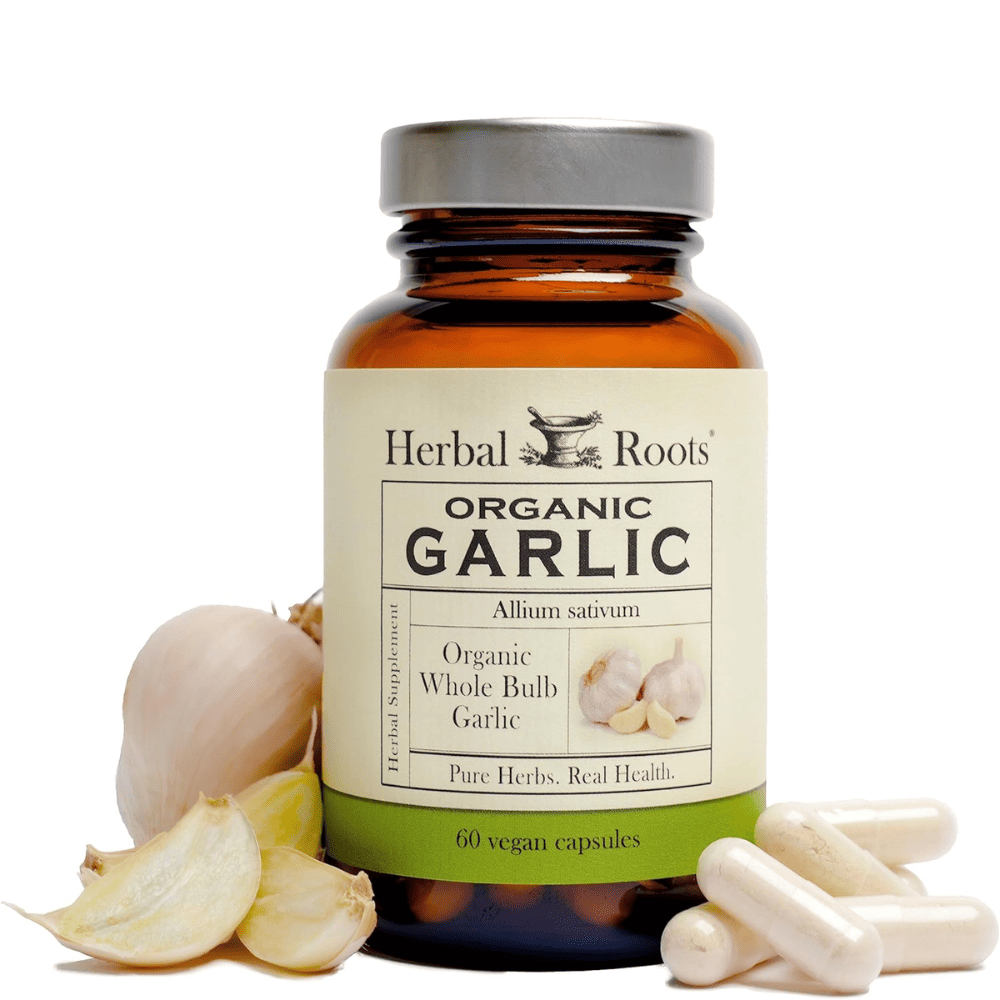
- Review your diet. Begin eliminating foods that feed parasites -- primarily refined sugar, alcohol, and processed carbohydrates -- while adding antiparasitic foods like garlic, pumpkin seeds, and papaya seeds.
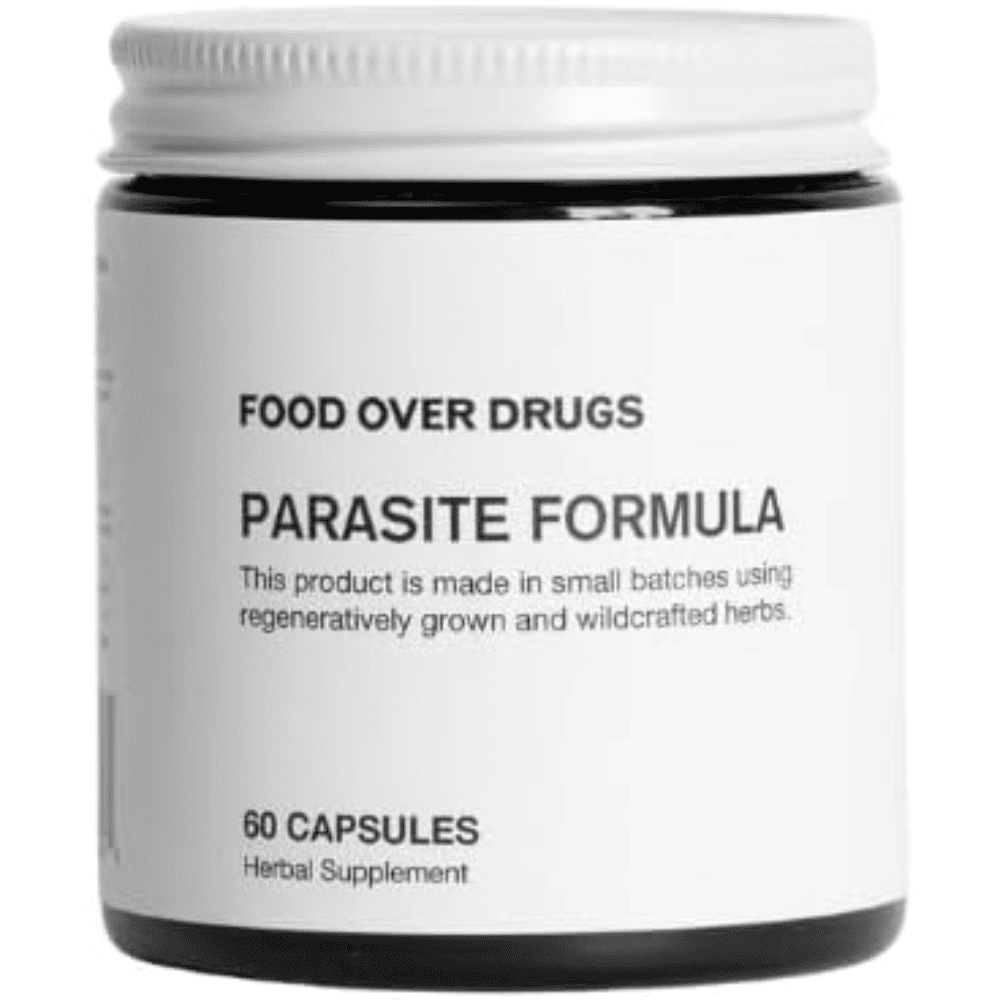
- Consider a natural cleanse. If testing is not immediately available or you prefer a natural approach, a structured herbal cleanse using herbs like wormwood, black walnut, and clove can be a reasonable starting point.
- Support your gut health. Take a quality probiotic to help restore gut flora balance and use gut-healing nutrients like zinc, L-glutamine, and aloe vera to address intestinal damage.
- Track your symptoms. Keep a simple symptom diary noting what you eat and how you feel. This helps identify patterns and demonstrates progress during a cleanse.
Ready to take action? Our 30-Day Parasite Detox Plan provides a structured, step-by-step guide to safely cleanse your system and restore your gut health.
RELATED READ: Top 10 Signs You Might Need a Parasite Cleanse
Recommended Products
As an Amazon Associate and affiliate partner, we earn from qualifying purchases. Product recommendations are based on research and editorial judgment, not compensation.

Get the Free 30-Day Parasite Cleanse Plan
Evidence-based protocols, supplement schedules, and dietary guidance delivered to your inbox.