Turmeric for Parasite Cleanse
Medical Disclaimer
This content is for informational purposes only and does not constitute medical advice. Consult a qualified healthcare provider before starting any treatment, supplement, or cleanse program. If you suspect a parasitic infection, seek professional medical diagnosis.
Beyond its famous anti-inflammatory powers, turmeric's active compound curcumin has demonstrated direct antiparasitic activity — making it a valuable supporting remedy in any cleanse protocol.
What Is Turmeric?
Turmeric (Curcuma longa) is a perennial plant in the ginger family (Zingiberaceae). The part used medicinally is the rhizome — a thick, bright orange-yellow underground stem. Native to the Indian subcontinent and Southeast Asia, turmeric has been cultivated for at least 4,000 years. India produces roughly 80% of the world's turmeric supply.
The rhizome contains curcuminoids — a group of polyphenolic compounds responsible for turmeric's vivid color and most of its biological activity. The three primary curcuminoids are curcumin (77%), demethoxycurcumin (17%), and bisdemethoxycurcumin (6%). Curcumin is the most studied and most pharmacologically active of the three.
Turmeric also contains volatile oils (turmerone, atlantone, zingiberene), fiber, minerals, and vitamins. However, curcumin has one well-known limitation: poor bioavailability. On its own, curcumin is poorly absorbed from the gut, rapidly metabolized by the liver, and quickly eliminated from the body. Combining curcumin with piperine (from black pepper) increases its absorption by approximately 2,000%, according to a widely cited 1998 study by Shoba et al. Fat also enhances curcumin absorption, which is why traditional preparations like golden milk include both fat and pepper.
In Ayurvedic medicine, turmeric is called haridra and is considered one of the most important medicinal plants. It has been prescribed for digestive disorders, liver conditions, skin diseases, wound healing, respiratory illness, and intestinal worm infections for thousands of years. Traditional Chinese medicine uses turmeric (jiang huang) to invigorate blood, move stagnant qi, and treat abdominal pain.
Anti-Parasitic Properties
Curcumin works against parasites through multiple pathways, and its anti-inflammatory and hepatoprotective effects provide additional support during a cleanse.
Direct parasite toxicity. Curcumin interferes with the energy metabolism of parasites by inhibiting key enzymes in their glycolytic and mitochondrial pathways. Without adequate energy production, parasites cannot maintain their cellular functions, reproduce, or resist the host's immune response. This mechanism has been demonstrated against protozoa (Giardia, Leishmania, Plasmodium, Trypanosoma) and helminths (Fasciola).
Membrane disruption. Curcumin integrates into the lipid bilayer of parasite cell membranes, altering membrane fluidity and permeability. This disrupts ion channels and transport proteins that parasites need to regulate their internal environment, leading to cellular swelling and death.
Apoptosis induction. In protozoan parasites, curcumin has been shown to trigger programmed cell death (apoptosis-like mechanisms), including DNA fragmentation, mitochondrial depolarization, and activation of caspase-like proteases. This is a particularly effective killing mechanism because the parasite essentially self-destructs.
Anti-inflammatory action. Parasitic infections cause significant inflammation in the gut and throughout the body. Curcumin inhibits NF-kB (nuclear factor kappa-B), a master regulator of inflammation that controls the expression of over 200 inflammatory genes. By suppressing NF-kB, curcumin reduces the production of pro-inflammatory cytokines (TNF-alpha, IL-1, IL-6), cyclooxygenase-2 (COX-2), and inducible nitric oxide synthase (iNOS). This anti-inflammatory effect helps control the tissue damage that parasites cause and reduces the discomfort of infection.
Liver and bile support. The liver processes and eliminates parasite waste products, dead parasite fragments, and the toxins released during a cleanse. Curcumin is a potent hepatoprotectant — it increases glutathione levels, enhances Phase II detoxification enzyme activity, and stimulates bile production. Increased bile flow also helps flush parasites and their debris from the biliary system and small intestine.
Gut barrier repair. Parasites damage the intestinal epithelium, increasing gut permeability (sometimes called "leaky gut"). Curcumin strengthens tight junctions between intestinal epithelial cells, reduces mucosal inflammation, and promotes the growth of beneficial gut bacteria — all of which help restore the intestinal barrier during and after a cleanse.
Immune modulation. Curcumin enhances macrophage phagocytic activity (the immune system's ability to engulf and destroy parasites), increases natural killer cell function, and modulates T-cell responses. At the same time, it prevents excessive immune activation that could damage host tissues — a balanced response that is ideal during parasite clearance.
Scientific Evidence
Curcumin is one of the most heavily researched phytochemicals in the world, with over 13,000 published papers. Its antiparasitic properties have been studied in vitro and in animal models across several parasite species.
Giardia lamblia. Shahiduzzaman et al. (2009) tested curcumin against Giardia lamblia trophozoites in vitro and found that curcumin at 100 μM killed approximately 50% of trophozoites within 24 hours. At 200 μM, the kill rate exceeded 80%. The researchers observed that curcumin caused morphological changes in the parasites — including membrane blebbing and loss of motility — consistent with an apoptosis-like mechanism.
Fasciola gigantica (liver fluke). Khalafalla et al. (2011) treated naturally infected water buffaloes with curcumin and found a significant reduction in Fasciola egg counts in feces compared to untreated controls. The curcumin-treated animals also showed improvement in liver enzyme levels (AST, GGT), indicating reduced liver damage. This is one of the few in vivo studies of curcumin's anthelmintic effects in large animals.
Plasmodium (malaria). Nose et al. (2011) tested curcumin's antimalarial activity against Plasmodium berghei in mice. Curcumin treatment at 100 mg/kg body weight reduced parasitemia (the percentage of infected red blood cells) by 80–90% compared to untreated controls. The researchers noted that curcumin's anti-inflammatory properties likely contributed to its effectiveness, since malaria pathology is partly driven by the host's inflammatory response.
Trypanosoma cruzi (Chagas disease). Nagajyothi et al. (2012) demonstrated that curcumin reduced Trypanosoma cruzi parasite burden in infected mice and decreased tissue inflammation. The curcumin-treated mice showed lower levels of inflammatory markers (TNF-alpha, IL-6) and less cardiac tissue damage — a significant finding since Chagas disease primarily damages the heart.
General health effects. Hewlings and Kalman (2017) published a review in Foods summarizing curcumin's effects on human health across multiple clinical trials. They confirmed curcumin's anti-inflammatory, antioxidant, and immunomodulatory properties at doses of 500–2,000 mg daily, with an excellent safety profile in trials lasting up to 8 months.
How to Use Turmeric for Parasites
Curcumin's poor bioavailability is the main challenge with turmeric supplementation. Proper preparation and formulation make a significant difference in effectiveness.
Turmeric with Black Pepper
This is the simplest and most cost-effective approach. Mix 1 teaspoon (roughly 3 grams) of turmeric powder with a pinch of freshly ground black pepper and a fat source (coconut oil, olive oil, or full-fat milk). The piperine in black pepper inhibits the liver enzyme (UGT) that normally breaks down curcumin, increasing absorption by approximately 20-fold. Take this mixture 2–3 times daily.
Golden Milk (Haldi Doodh)
This traditional Ayurvedic preparation combines all the elements needed for optimal curcumin absorption. Heat 1 cup of milk (dairy or coconut) with 1 teaspoon of turmeric powder, a pinch of black pepper, and 1/2 teaspoon of coconut oil. Simmer gently for 5 minutes. Drink 1–2 cups daily — once in the morning and once before bed is a common schedule.
Curcumin Capsules
Standardized curcumin extracts offer the highest concentration of active compounds. Look for products that contain 95% curcuminoids and include a bioavailability enhancer — either piperine (BioPerine), phospholipid complexes (Meriva), or nano-emulsion technology (liquid curcumin). Typical dosing for antiparasitic support is 500–1,500 mg of curcumin per day, divided into 2–3 doses. Take with meals that contain fat.
Turmeric Tincture
Liquid turmeric extracts bypass some of the absorption issues since alcohol-based tinctures contain both water-soluble and fat-soluble compounds in a pre-dissolved state. Follow the manufacturer's dosage instructions, typically 30–60 drops (1–2 mL) taken 2–3 times daily. Add to a small amount of water or juice.
Fresh Turmeric Root
Fresh turmeric rhizome can be grated or juiced. Use 1–2 inches of fresh root daily — grated into food, steeped as tea, or processed through a juicer. Fresh turmeric contains turmerone and other volatile oils that are lost in dried powder, and some research suggests these oils enhance curcumin absorption. Be aware that fresh turmeric stains everything it touches a bright yellow.
Timing Considerations
Take turmeric with or immediately after meals that contain fat. This improves curcumin absorption and reduces the risk of stomach upset. For a parasite cleanse, use turmeric continuously throughout the protocol — its anti-inflammatory and liver-protective effects are valuable from start to finish, not just during the active antiparasitic phase.
Safety and Side Effects
Turmeric and curcumin have an excellent safety record. The FDA classifies turmeric as Generally Recognized as Safe (GRAS). Clinical trials have used curcumin at doses up to 8 grams daily for several months without serious adverse effects. However, there are some considerations.
Gastrointestinal effects. High doses of curcumin (above 4 grams daily) may cause nausea, diarrhea, or stomach discomfort in some people. Starting at a lower dose and increasing gradually minimizes this risk. Taking curcumin with food also reduces GI irritation.
Oxalate content. Turmeric powder contains significant amounts of oxalate — up to 2% by weight. People prone to kidney stones (calcium oxalate type) should be cautious with large amounts of turmeric powder. Curcumin extract capsules contain far less oxalate than whole turmeric powder and are a better option for stone-formers.
Blood-thinning effects. Curcumin has mild antiplatelet and anticoagulant properties. People taking warfarin, heparin, aspirin, or other blood-thinning medications should consult their doctor before using curcumin supplements. Stop curcumin supplementation 2 weeks before scheduled surgery.
Iron absorption. Curcumin can bind dietary iron and reduce its absorption. People with iron deficiency anemia should take curcumin supplements separately from iron-rich meals or iron supplements — ideally at least 2 hours apart.
Gallbladder concerns. Curcumin stimulates bile production and gallbladder contraction. While this is beneficial for most people, it could cause problems for those with gallstones or bile duct obstruction. If you have known gallbladder disease, consult your doctor before using curcumin therapeutically.
Drug interactions. Curcumin inhibits several cytochrome P450 enzymes (CYP3A4, CYP1A2, CYP2D6) that metabolize many common medications. This can increase blood levels of certain drugs, including some chemotherapy agents, blood pressure medications, and antidepressants. Discuss curcumin supplementation with your pharmacist if you take prescription medications.
Pregnancy. Turmeric in food amounts is safe during pregnancy — it has been consumed by pregnant women in South Asia for millennia. However, curcumin supplements at therapeutic doses (above 500 mg daily) have not been adequately studied in pregnancy and may stimulate uterine contractions. Pregnant women should limit themselves to culinary amounts unless directed otherwise by their healthcare provider.
Frequently Asked Questions
Does cooking turmeric destroy its antiparasitic properties?
Cooking does not destroy curcumin — in fact, brief heating (5–10 minutes) may improve its solubility and absorption. However, prolonged high-heat cooking (deep frying, roasting above 350°F for extended periods) can degrade curcuminoids. The traditional preparation methods — simmering in milk or broth, adding to curries near the end of cooking — preserve curcumin well while enhancing its bioavailability through the presence of fat and heat.
Can turmeric alone clear a parasite infection?
Turmeric is best classified as a supportive antiparasitic rather than a primary one. Its strength lies in reducing the inflammation parasites cause, protecting and restoring the liver and gut lining, and enhancing immune function — all of which make other antiparasitic treatments (herbal or pharmaceutical) more effective. For a standalone antiparasitic effect, herbs like wormwood, black walnut hull, and clove have stronger direct killing action. Turmeric is the ideal companion herb in a multi-herb protocol.
How long does it take for turmeric to show effects during a cleanse?
Anti-inflammatory effects are often noticeable within 3–7 days — reduced bloating, less abdominal discomfort, improved energy. The antiparasitic effects of curcumin build over time and are best assessed after 2–4 weeks of consistent use. Liver-protective effects begin immediately but are cumulative, with the most benefit seen after 2+ weeks of daily use.
Why does everyone recommend taking turmeric with black pepper?
Curcumin is rapidly metabolized by the liver through a process called glucuronidation (Phase II metabolism). The enzyme responsible is UDP-glucuronosyltransferase (UGT). Piperine, the active compound in black pepper, inhibits this enzyme, slowing curcumin's breakdown and allowing more of it to reach the bloodstream. A 1998 study by Shoba et al. showed that just 20 mg of piperine (the amount in roughly 1/20 teaspoon of black pepper) increased curcumin bioavailability by 2,000% in human subjects. Without piperine or another bioavailability enhancer, most curcumin passes through the body without being absorbed.
When to See a Doctor
Turmeric is a safe and well-tolerated supportive remedy, but it is not a substitute for medical evaluation and treatment of parasitic infections. Seek professional medical care if:
- You suspect a parasitic infection and have not had proper diagnostic testing (stool ova and parasite exam, antigen tests, blood work)
- You experience persistent digestive symptoms — chronic diarrhea, blood in stool, unexplained weight loss — lasting more than 2 weeks
- You develop fever, jaundice (yellow skin or eyes), or severe abdominal pain
- You see worms or worm segments in your stool
- You have recently traveled to a tropical or developing region and have new symptoms
- Your symptoms do not improve after completing a natural cleanse protocol
- You have a compromised immune system (HIV, organ transplant, chemotherapy)
Some parasitic infections — particularly malaria, Chagas disease, liver flukes, and disseminated strongyloidiasis — are medical emergencies that require prescription antiparasitic medications. While curcumin has shown activity against some of these organisms in research settings, it should be used as an adjunct to, not a replacement for, conventional treatment in serious infections.
This article is for informational purposes only and does not constitute medical advice. Always consult a qualified healthcare provider before starting any parasite cleanse protocol, especially if you are pregnant, nursing, taking medications, or have a pre-existing health condition.
Part of: Anti-Parasitic Foods
Recommended Products
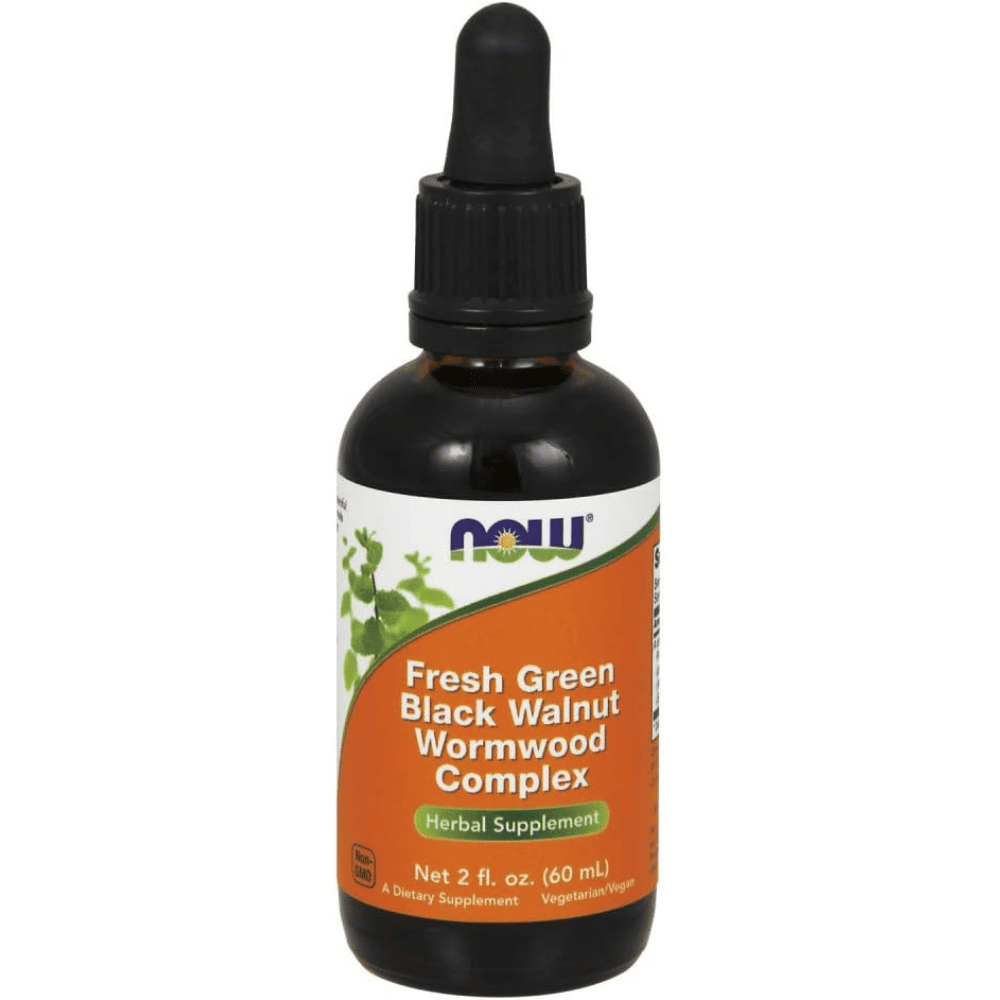
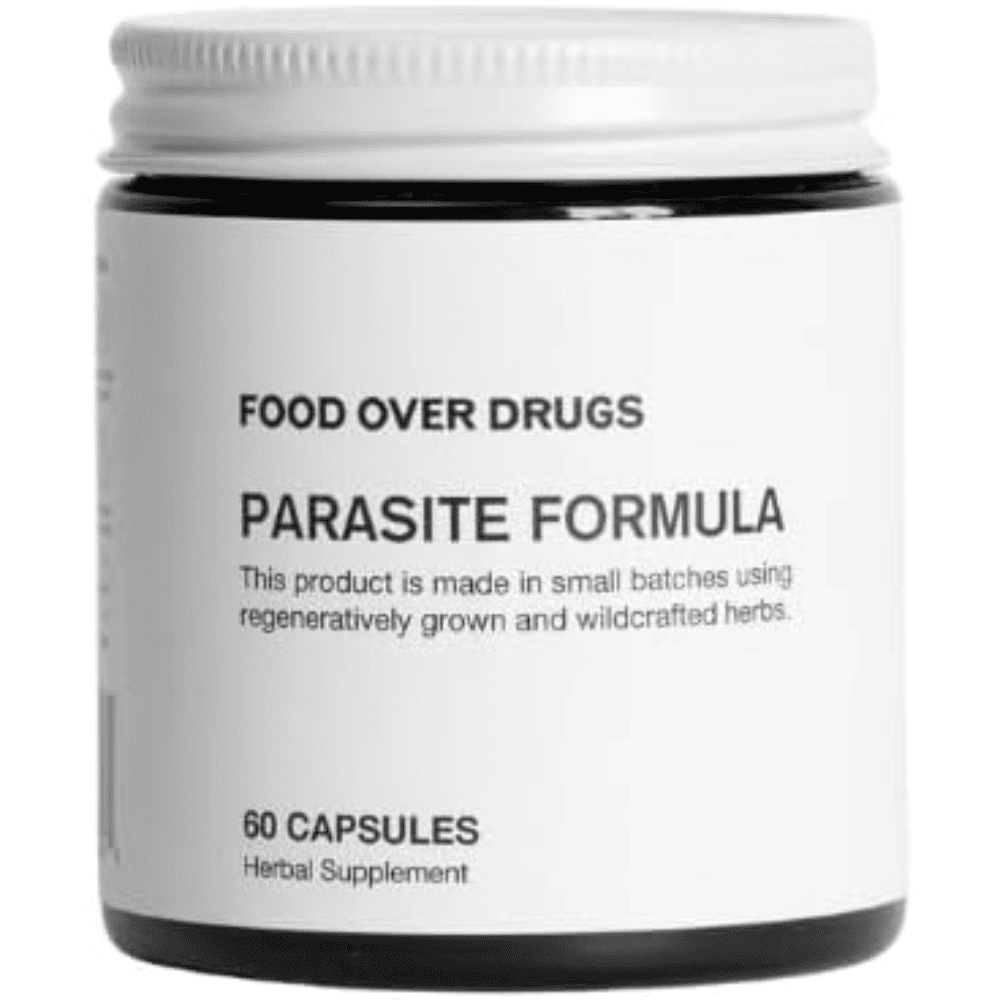
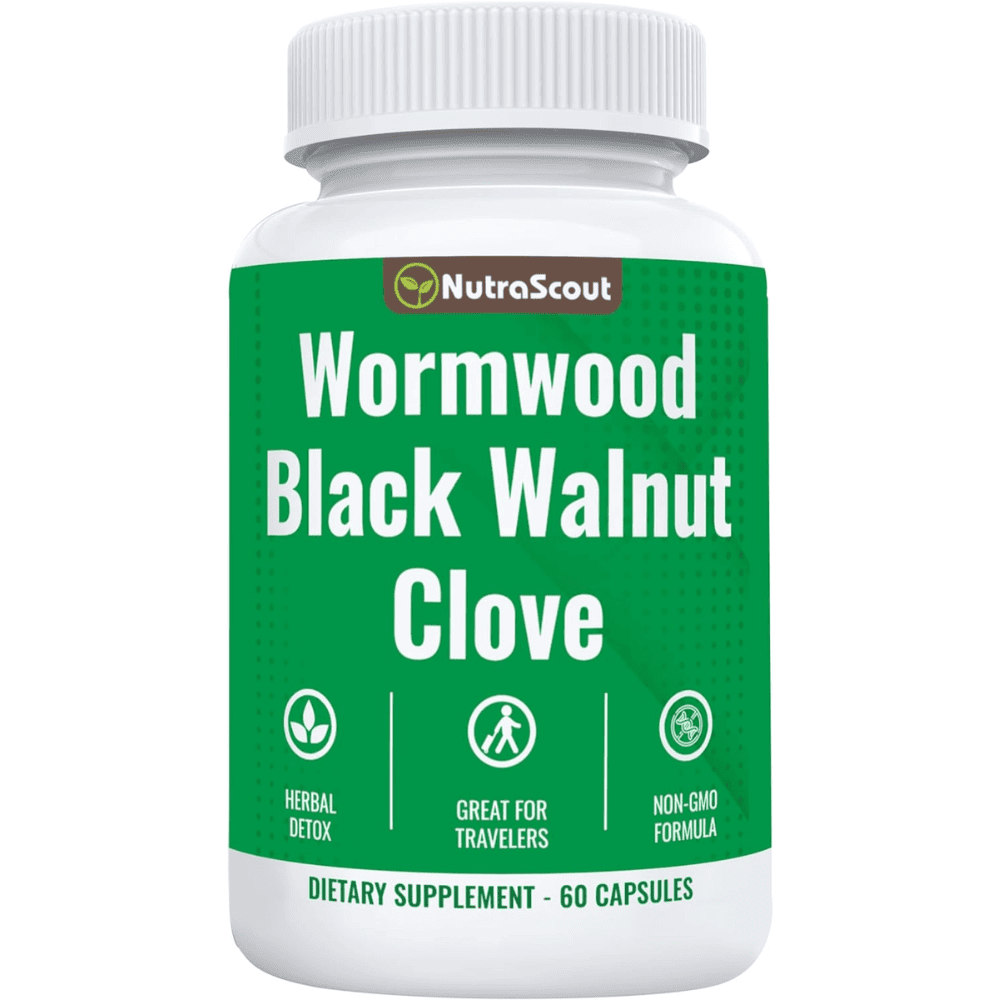
As an Amazon Associate and affiliate partner, we earn from qualifying purchases. Product recommendations are based on research and editorial judgment, not compensation.
References
- Khalafalla RE, et al. Anthelmintic effect of curcumin on Fasciola gigantica in naturally infected buffaloes. Parasitol Res. 2011;108(5):1305-1310. doi:10.1007/s00436-010-2176-z
- Shahiduzzaman M, et al. In vitro efficacy of curcumin on Giardia lamblia trophozoites. Vet Parasitol. 2009;163(1-2):116-120. doi:10.1016/j.vetpar.2009.04.004
- Nose M, et al. Assessment of the pharmacological activities of curcumin against Plasmodium berghei in vivo. Parasitol Res. 2011;109(4):1131-1137. doi:10.1007/s00436-011-2355-1
- Nagajyothi F, et al. Curcumin treatment provides protection against Trypanosoma cruzi infection. Parasitol Res. 2012;110(6):2491-2499. doi:10.1007/s00436-011-2790-9
- Hewlings SJ, Kalman DS. Curcumin: A review of its effects on human health. Foods. 2017;6(10):92. doi:10.3390/foods6100092
Get the Free 30-Day Parasite Cleanse Plan
Evidence-based protocols, supplement schedules, and dietary guidance delivered to your inbox.