Supplements and Prescriptions for Parasites
Medical Disclaimer
This content is for informational purposes only and does not constitute medical advice. Consult a qualified healthcare provider before starting any treatment, supplement, or cleanse program. If you suspect a parasitic infection, seek professional medical diagnosis.
Targeted formulas including probiotics, digestive enzymes, and prescription treatments for parasite elimination and gut restoration.
Explore Supplements and Prescriptions
Understanding the difference between natural supplements and prescription antiparasitics is important for making informed decisions about treatment. This page covers the major prescription medications used to treat parasitic infections, their mechanisms of action, safety profiles, and drug interactions. It also covers the herbal supplement options that have been studied for antiparasitic activity.
Important: Prescription antiparasitic medications require a healthcare provider's diagnosis and supervision. Self-treating with veterinary-grade medications is dangerous and can cause serious harm. Always get a proper diagnosis before beginning any antiparasitic treatment.
Albendazole (Prescription)
What It Treats: Albendazole is a broad-spectrum benzimidazole anthelmintic used against roundworms (ascariasis), hookworms, whipworms (trichuriasis), pinworms (enterobiasis), and tapeworms (including neurocysticercosis and hydatid disease caused by Echinococcus). The WHO includes albendazole on its Model List of Essential Medicines.
How It Works: Albendazole binds to beta-tubulin in parasite cells, preventing the formation of microtubules. Microtubules are structural proteins that parasites need for cell division, nutrient absorption, and energy metabolism. Without functioning microtubules, the parasite cannot absorb glucose, its primary energy source. This leads to glycogen depletion, reduced ATP production, and eventual death of the organism. The drug is selectively toxic to parasites because it binds to parasite tubulin with much higher affinity than to human tubulin.
Dosing and Duration: For most soil-transmitted helminths, a single 400 mg dose is effective. For tapeworm cysts (neurocysticercosis), treatment requires 400 mg twice daily for 8-30 days, often combined with corticosteroids to manage inflammation from dying cysts. Hydatid disease may require treatment cycles lasting weeks to months.
Side Effects: Common side effects include abdominal pain, nausea, headache, and dizziness. In longer treatment courses, albendazole can suppress bone marrow function, causing low white blood cell counts. Liver enzyme elevation is also possible. Blood counts and liver function should be monitored during prolonged treatment. Albendazole is contraindicated in pregnancy due to teratogenic effects observed in animal studies.
Drug Interactions: Dexamethasone and praziquantel increase albendazole plasma levels, which can be therapeutically useful but requires monitoring. Cimetidine also increases drug levels. Grapefruit juice may increase absorption.
Mebendazole (Prescription)
What It Treats: Mebendazole is another benzimidazole anthelmintic, closely related to albendazole. It is primarily used for pinworms, roundworms, hookworms, and whipworms. It is the standard first-line treatment for pinworm infections in many countries.
How It Works: Like albendazole, mebendazole disrupts microtubule formation by binding to beta-tubulin in parasite cells. This blocks glucose uptake and starves the worm. The key difference is that mebendazole is poorly absorbed from the gut, meaning it achieves high concentrations in the intestinal lumen where most worms reside but low systemic levels. This makes it effective against intestinal parasites with fewer systemic side effects, but less suitable for tissue-dwelling parasites like tapeworm cysts.
Dosing: For pinworms, a single 100 mg dose repeated after two weeks is the standard protocol. For roundworms, whipworms, and hookworms, 100 mg twice daily for three days is typical. The two-week repeat dose for pinworms is necessary because the drug kills adult worms but not eggs. The repeat dose targets worms that hatch from surviving eggs after the initial treatment.
Side Effects: Side effects are generally mild due to low systemic absorption. Abdominal cramps, diarrhea, and flatulence are the most common complaints. In rare cases involving heavy worm burdens, worm migration can occur as dying worms move in the gut, potentially causing temporary obstruction in children with severe ascariasis.
Drug Interactions: Metronidazole taken concurrently may increase the risk of Stevens-Johnson syndrome, a serious skin reaction. Carbamazepine and phenytoin (anti-seizure medications) can reduce mebendazole levels through liver enzyme induction.
Praziquantel (Prescription)
What It Treats: Praziquantel is the drug of choice for all species of schistosomiasis (blood flukes), liver flukes, lung flukes, and most tapeworm infections. It is the only effective treatment for schistosomiasis, a disease affecting over 200 million people worldwide according to the WHO.
How It Works: Praziquantel has a distinct mechanism from the benzimidazoles. It increases the permeability of parasite cell membranes to calcium ions. The resulting calcium influx causes intense muscular contraction (spastic paralysis) of the worm. The paralyzed worm releases its grip on the intestinal or vascular wall and is expelled by normal gut motility. Simultaneously, the calcium influx damages the worm's outer tegument (skin), exposing parasite antigens to the host's immune system, which then destroys the worm.
This dual mechanism -- paralysis plus immune-mediated killing -- explains why praziquantel is so effective. It also explains why immunosuppressed patients sometimes respond less well to treatment.
Dosing: For tapeworms, a single dose of 5-10 mg/kg is usually sufficient. For schistosomiasis, 40-60 mg/kg divided into two or three doses over a single day is standard. For liver and lung flukes, higher doses over 1-2 days may be required.
Side Effects: Side effects are usually mild and transient: abdominal discomfort, nausea, headache, dizziness, and drowsiness. These often result from dying parasites releasing antigens rather than direct drug toxicity. In patients with heavy schistosome burdens, a Jarisch-Herxheimer-like reaction (fever, chills, worsening symptoms) can occur as large numbers of worms die simultaneously.
Drug Interactions: Rifampin (used for tuberculosis) dramatically reduces praziquantel blood levels by inducing liver enzymes, potentially causing treatment failure. Dexamethasone also reduces levels. Cimetidine and ketoconazole increase praziquantel levels. Grapefruit juice can increase absorption significantly.
Ivermectin (Prescription)
What It Treats: Ivermectin is effective against a wide range of parasites: strongyloides (threadworm), onchocerciasis (river blindness), lymphatic filariasis, ascariasis, scabies, and head lice. Its discovery earned William C. Campbell and Satoshi Omura the 2015 Nobel Prize in Physiology or Medicine, reflecting its massive impact on global health.
How It Works: Ivermectin binds to glutamate-gated chloride channels found in parasite nerve and muscle cells. This binding opens the channels permanently, allowing an uncontrolled influx of chloride ions. The resulting hyperpolarization of the cell membrane causes flaccid paralysis of the parasite's pharyngeal and body wall muscles. The worm can no longer feed or move and dies.
Humans do not have glutamate-gated chloride channels in their peripheral nervous system, which is why ivermectin is selectively toxic to parasites at standard doses. Additionally, ivermectin does not cross the blood-brain barrier readily in healthy individuals, protecting the central nervous system from exposure.
Dosing: For strongyloides, 200 mcg/kg as a single dose, repeated after two weeks. For onchocerciasis, 150 mcg/kg as a single dose every 6-12 months (mass drug administration programs). For scabies, 200 mcg/kg, often repeated after 7-14 days.
Side Effects: The most common side effects include dizziness, nausea, diarrhea, and mild skin rash. In patients with onchocerciasis, the Mazzotti reaction can occur as dying microfilariae trigger an inflammatory response: fever, itching, joint pain, swollen lymph nodes, and hypotension. This is managed with antihistamines and corticosteroids.
Critical Safety Warning: In patients co-infected with Loa loa (a filarial parasite found in West and Central Africa), ivermectin can trigger fatal encephalopathy if the Loa loa microfilarial count is very high. Patients from endemic areas must be screened before treatment.
Drug Interactions: Warfarin effects may be increased by ivermectin. Alcohol may increase side effects. No major inhibitory drug interactions are well-documented, but ivermectin is metabolized by CYP3A4 in the liver, so strong CYP3A4 inhibitors (ketoconazole, clarithromycin) can increase drug levels.
Fenbendazole (Veterinary - Off-Label Use)
What It Is: Fenbendazole is a benzimidazole anthelmintic approved for veterinary use. It is not FDA-approved for human use. However, it has gained attention in recent years due to anecdotal reports and early-stage research exploring potential anticancer properties. Some individuals use it off-label for parasitic infections under medical supervision.
How It Works: Like albendazole and mebendazole, fenbendazole disrupts microtubule polymerization by binding to beta-tubulin. Its mechanism is identical to its human-approved relatives. The primary difference is regulatory status, not pharmacology.
Why Veterinary Medications Are Risky for Self-Treatment: Veterinary formulations are dosed for animals, which differ from humans in metabolism, body composition, and organ function. Inactive ingredients (fillers, flavorings, preservatives) in veterinary products may not be safe for human consumption. Dosing errors are common because veterinary tablets and pastes are calibrated for animal body weights.
If you believe you need antiparasitic treatment, see a physician who can prescribe human-approved alternatives with established safety data. Self-medicating with veterinary products introduces unnecessary risk when effective human medications exist.
When to Seek Prescription Treatment vs. Natural Approaches
Prescription treatment is necessary when:
You have a confirmed parasitic infection diagnosed through stool testing, blood work, or imaging. Symptoms such as visible worms in stool, persistent diarrhea lasting more than two weeks, unexplained weight loss, blood in stool, or fever alongside gastrointestinal symptoms warrant medical evaluation. Tissue-invasive parasites (tapeworm cysts in the brain, liver flukes, schistosomiasis) always require prescription medication. Natural remedies are not effective against these conditions.
Natural approaches may be appropriate when:
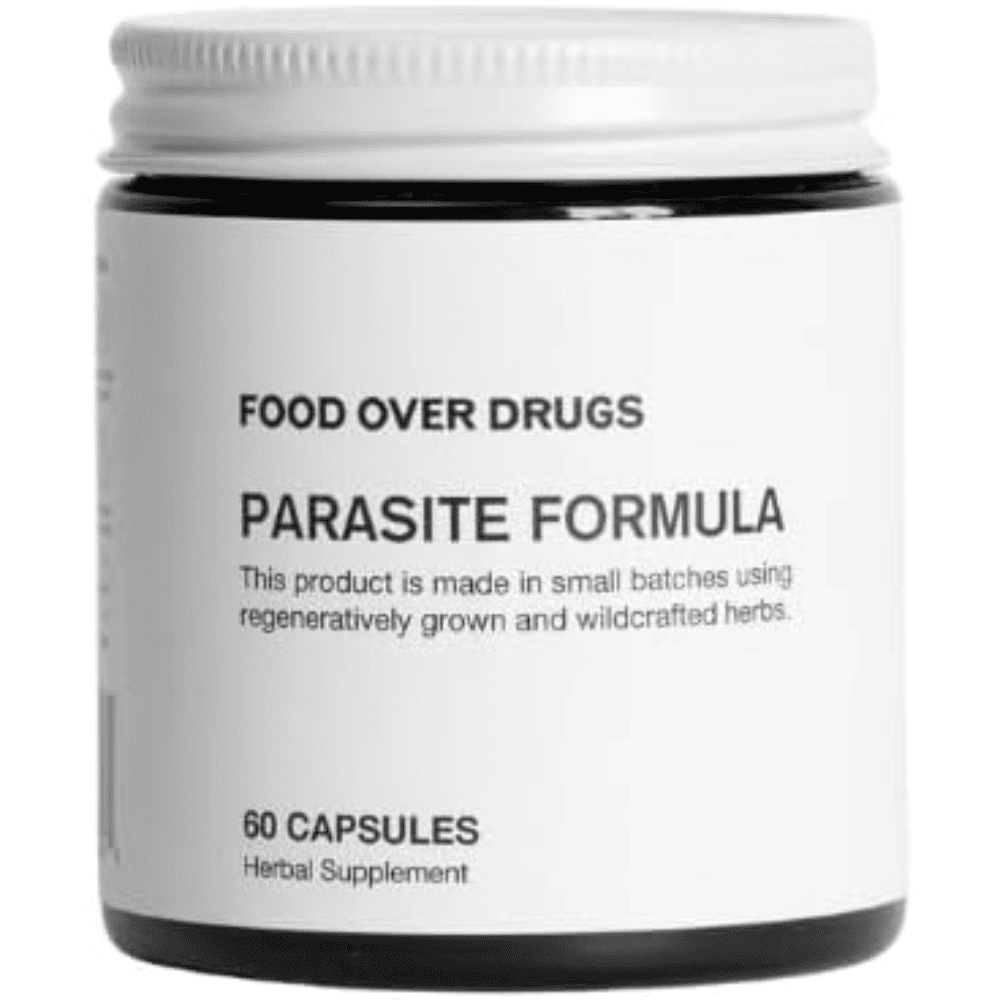
You want to support gut health and create conditions unfavorable to parasites as a preventive measure. Herbal supplements can serve as a gentle maintenance protocol between medical treatments or when traveling to endemic areas. Some people use herbal formulas during a suspected low-grade intestinal exposure that has not been confirmed by testing.
The honest assessment: Herbal supplements have shown antiparasitic activity in laboratory studies and some clinical trials, but they have not been proven to reliably eliminate confirmed infections at the same rate as pharmaceutical treatments. For a confirmed infection, prescription medication is the standard of care. Supplements are best viewed as a supportive layer, not a replacement.
Herbal Supplements for Parasite Cleansing
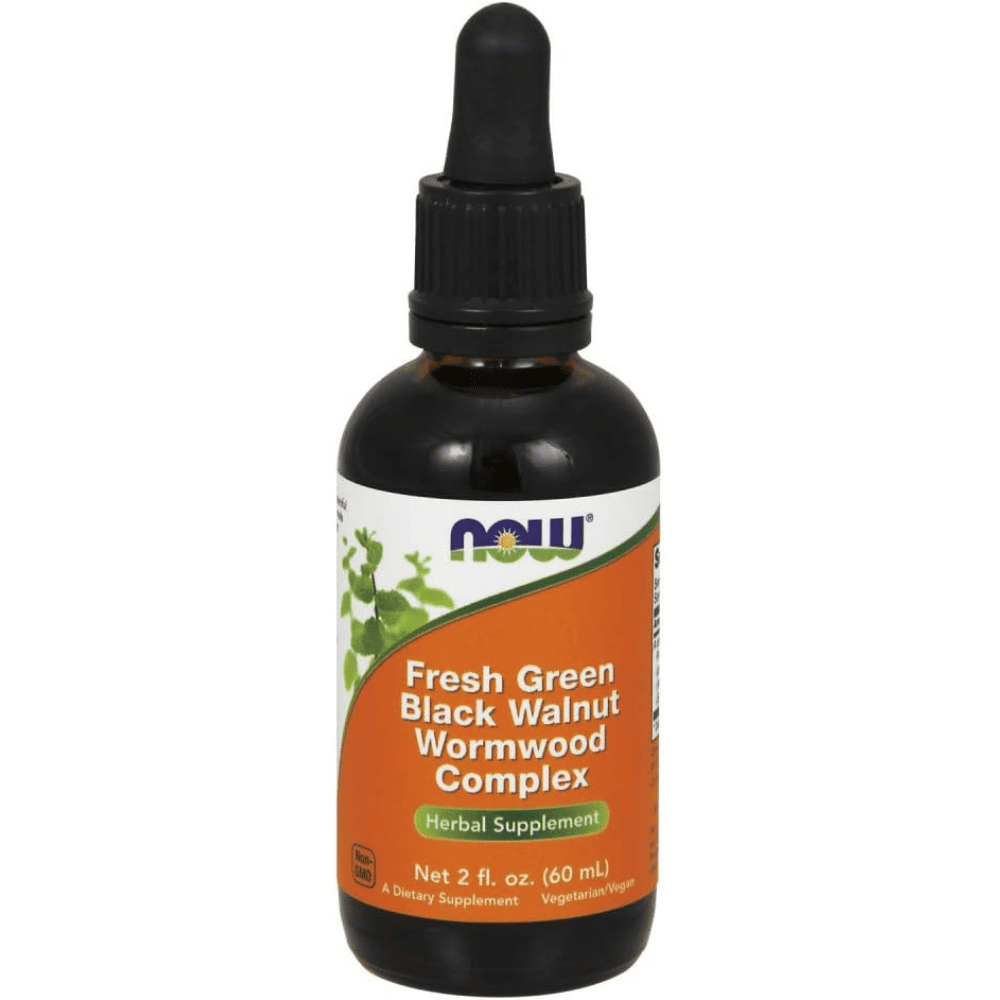
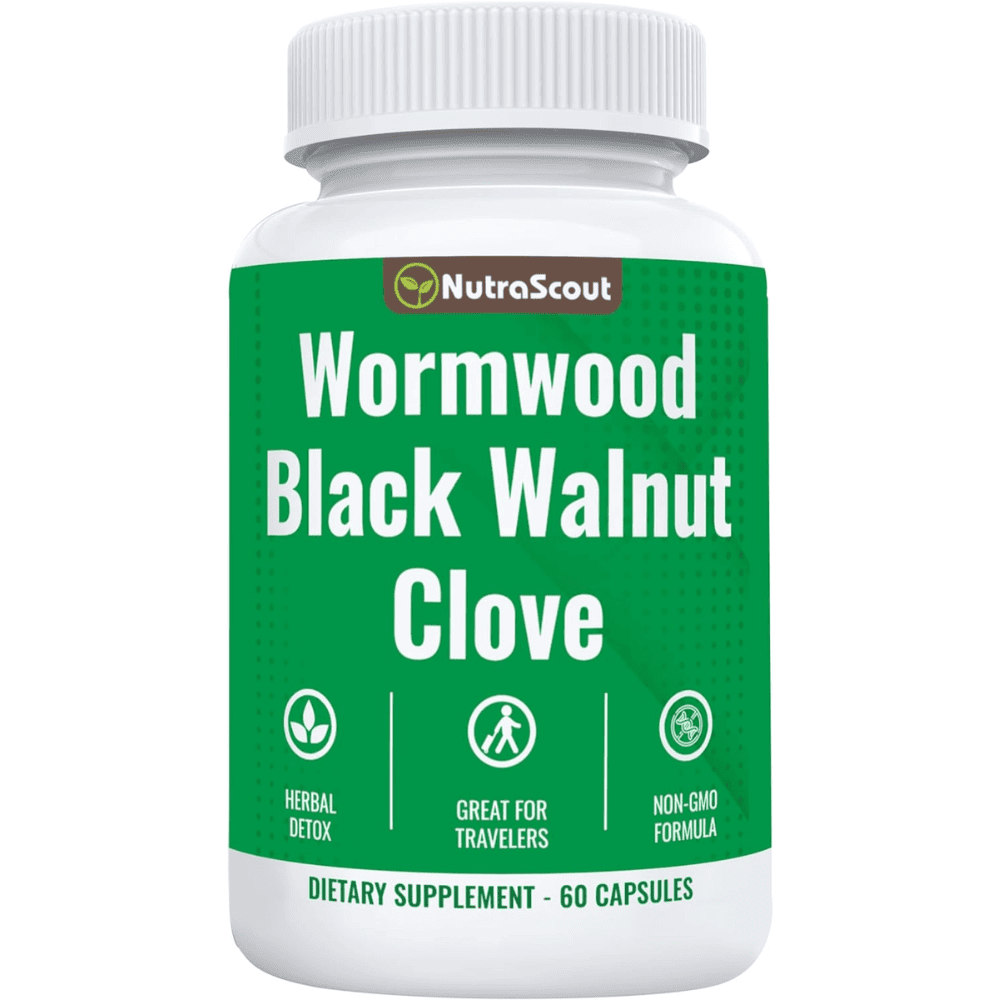
The Classic Triad: Wormwood, Black Walnut, and Clove
This three-herb combination has been used in traditional medicine for centuries and was popularized in modern times by Dr. Hulda Clark's parasite cleanse protocol. Each herb targets parasites through different mechanisms:
Wormwood (Artemisia absinthium) contains the sesquiterpene lactones absinthin and artabsin, which are toxic to intestinal worms. Artemisinin, a related compound from Artemisia annua, is the basis for the WHO-recommended treatment for malaria. Wormwood is typically taken as a tincture or capsule for 2-4 weeks during a cleanse.
Black walnut hull contains juglone, a naphthoquinone compound with demonstrated antifungal and antiparasitic properties. The green hulls are the most potent. Juglone is thought to interfere with parasite respiratory enzymes.
Clove (Syzygium aromaticum) contains eugenol, which has been shown to kill parasite eggs in addition to adult organisms. This is significant because most pharmaceutical anthelmintics kill adult worms but not eggs, which is why repeat dosing is required. Clove's ability to address eggs makes it a useful complement.
Oregano Oil
Oil of oregano contains carvacrol and thymol, two phenolic compounds with strong antimicrobial activity. A study published in Phytotherapy Research found that emulsified oil of oregano completely inhibited the growth of Blastocystis hominis, Entamoeba hartmanni, and Endolimax nana in patients after six weeks of supplementation. Typical dosing is 200-600 mg of standardized oil of oregano daily, taken with food to reduce gastric irritation.
Berberine
Found in goldenseal, Oregon grape, and barberry, berberine is an alkaloid with activity against Giardia lamblia and Entamoeba histolytica. It works by disrupting the parasite's energy metabolism and has additional benefits for blood sugar regulation and gut health. Typical dose is 500 mg two to three times daily.
Probiotics and Digestive Enzymes
Probiotics are not directly antiparasitic, but they play a supporting role during and after treatment. A healthy gut microbiome makes reinfection less likely by maintaining competitive exclusion -- beneficial bacteria occupy the ecological niches that parasites would otherwise exploit.
Digestive enzymes, particularly proteolytic enzymes like bromelain and papain, may help break down the protective biofilm that some parasites create around themselves. Taking enzymes between meals (on an empty stomach) is the protocol suggested by most practitioners for this purpose.
Safety Warnings and General Precautions
Pregnancy and breastfeeding: Most antiparasitic drugs are contraindicated during the first trimester of pregnancy. Albendazole and mebendazole are Category C drugs (animal studies show risk, no adequate human studies). Ivermectin should be avoided unless the benefit clearly outweighs the risk. Herbal supplements including wormwood and black walnut are not recommended during pregnancy.
Liver disease: All benzimidazole drugs (albendazole, mebendazole, fenbendazole) are metabolized by the liver. Patients with liver impairment require dose adjustments and monitoring. Herbal supplements, particularly wormwood, can also stress the liver in high doses.
Children: Mebendazole is generally the preferred treatment for children with intestinal worms due to its favorable safety profile and low systemic absorption. Albendazole is also used in children over one year of age. Dosing must be weight-appropriate.
Die-off reactions: Both pharmaceutical and herbal antiparasitic treatments can cause a Herxheimer-like reaction as dying parasites release toxins and antigens. Symptoms may include fatigue, headache, brain fog, skin breakouts, and worsening GI symptoms. These typically resolve within a few days. Supporting the body with adequate hydration, fiber, and rest during treatment can minimize these effects.
Duration of herbal cleanses: Most practitioners recommend herbal parasite cleanses lasting 2-6 weeks, followed by a rest period. Continuous long-term use of wormwood is not recommended due to the presence of thujone, which can be neurotoxic in high doses over extended periods.
Recommended Products
As an Amazon Associate and affiliate partner, we earn from qualifying purchases. Product recommendations are based on research and editorial judgment, not compensation.
References
- Campbell WC, Fisher MH, et al. Ivermectin: a potent new antiparasitic agent. Science. 1983;221(4613):823-828.
- Omura S, Crump A. The life and times of ivermectin — a success story. Nat Rev Microbiol. 2004;2(12):984-989.
- Lacey E. The role of the cytoskeletal protein, tubulin, in the mode of action and mechanism of drug resistance to benzimidazoles. Int J Parasitol. 1988;18(7):885-936.
- WHO. WHO Model List of Essential Medicines, 23rd List. World Health Organization, 2023.
- Chai JY, et al. Praziquantel treatment in trematode and cestode infections: an update. Infect Chemother. 2013;45(1):32-43.
- Gonzales MLM, et al. Anthelmintics for soil-transmitted helminths. Cochrane Database Syst Rev. 2019.
- Horton J. Albendazole: a review of anthelmintic efficacy and safety in humans. Parasitology. 2000;121(S1):S113-S132.
- Molyneux DH, et al. Mass drug administration and the global elimination of lymphatic filariasis. Lancet Infect Dis. 2003;3(6):357-361.
- Okeniyi JA, et al. Effectiveness of dried Carica papaya seeds against human intestinal parasitosis. J Med Food. 2007;10(1):194-196.
- Force M, et al. Inhibition of enteric parasites by emulsified oil of oregano in vivo. Phytother Res. 2000;14(3):213-214.
- Yarnell E. Absinthe: return of the Green Fairy. Altern Complement Ther. 2011;17(4):199-206.
- WHO. Preventive Chemotherapy in Human Helminthiasis. World Health Organization, 2006.
Get the Free 30-Day Parasite Cleanse Plan
Evidence-based protocols, supplement schedules, and dietary guidance delivered to your inbox.