Wormwood vs Black Walnut: Which Parasite Cleanse Is Better?
Medical Disclaimer
This content is for informational purposes only and does not constitute medical advice. Consult a qualified healthcare provider before starting any treatment, supplement, or cleanse program. If you suspect a parasitic infection, seek professional medical diagnosis.
Introduction
When it comes to natural parasite cleansing, two herbs stand above the rest in popularity and historical use: wormwood (Artemisia absinthium) and black walnut (Juglans nigra). Both have been used for centuries across different cultures to expel intestinal parasites, but they work through very different mechanisms and target different types of organisms.
If you are trying to decide between wormwood and black walnut -- or wondering whether you should use both -- this guide breaks down the science, the practical differences, and the best way to approach each remedy.
What Is Wormwood?
Wormwood is a perennial herb native to Europe, Asia, and northern Africa. Its name says it all -- the plant has been used to treat intestinal worms since ancient Egyptian times, with references found in the Ebers Papyrus dating back to 1550 BC.
The plant belongs to the Artemisia genus, which includes other medicinal species like mugwort and sweet wormwood (the source of the malaria drug artemisinin). Common wormwood (Artemisia absinthium) is the species most frequently used in parasite cleansing protocols.
Key Active Compounds in Wormwood
- Thujone: The primary bioactive compound, a monoterpene ketone that disrupts parasite nervous systems by interfering with GABA receptors, causing paralysis and death in susceptible organisms.
- Absinthin: A sesquiterpene lactone responsible for wormwood's intensely bitter taste. This compound stimulates bile production and digestive secretions, creating a hostile environment for parasites in the gut.
- Artemisinin compounds: Related compounds found in the Artemisia genus that generate reactive oxygen species, damaging parasite cell membranes.
- Chamazulene: An anti-inflammatory compound that helps soothe gut irritation caused by parasitic infection.
What Parasites Does Wormwood Target?
Wormwood has demonstrated activity against a broad range of parasites in both traditional use and laboratory studies:
- Roundworms (Ascaris lumbricoides)
- Pinworms (Enterobius vermicularis)
- Tapeworms (Hymenolepis nana, Taenia species)
- Flukes (liver flukes, intestinal flukes)
- Protozoa (Giardia, Plasmodium species)
A 2018 study published in BMC Complementary and Alternative Medicine found that wormwood extract showed significant efficacy against Hymenolepis nana (dwarf tapeworm) in animal models, reducing worm burden by over 85% at therapeutic doses.
What Is Black Walnut?
Black walnut (Juglans nigra) is a tree native to eastern North America. The green outer hull of the walnut fruit -- not the nut itself -- is the part used medicinally. Indigenous peoples of North America used black walnut hull preparations to treat ringworm, fungal infections, and intestinal parasites long before European contact.
In modern herbal practice, black walnut hull is considered one of the three pillars of parasite cleansing, alongside wormwood and cloves, as popularized by Dr. Hulda Clark's protocol.
Key Active Compounds in Black Walnut
- Juglone: A naphthoquinone compound that is toxic to many parasites, bacteria, and fungi. Juglone works by inhibiting certain enzymes that parasites need to survive, particularly those involved in cellular respiration.
- Tannins: High concentrations of tannins give black walnut hull its astringent properties. Tannins help tighten the intestinal lining, reducing the ability of parasites to attach to the gut wall.
- Iodine: The green hulls contain natural iodine, which has antiseptic properties and supports thyroid function during cleansing.
- Plumbagin: Another naphthoquinone with demonstrated antiparasitic and antimicrobial properties.
What Parasites Does Black Walnut Target?
Black walnut hull is particularly effective against:
- Roundworms (Ascaris, hookworms)
- Pinworms (Enterobius vermicularis)
- Tapeworms (various species)
- Ringworm (despite the name, this is a fungal infection, not a worm)
- Candida and fungal overgrowth
- Certain protozoa
The juglone in black walnut is especially valued because it can affect parasites in their adult form and potentially disrupt egg-laying cycles, though most practitioners recommend combining it with cloves to more thoroughly address parasite eggs.
Head-to-Head Comparison
| Feature | Wormwood | Black Walnut |
|---|---|---|
| Primary active compound | Thujone, absinthin | Juglone, tannins |
| Mechanism of action | Disrupts nervous system (GABA interference), stimulates bile flow | Inhibits cellular respiration enzymes, astringent action on gut wall |
| Best against | Roundworms, tapeworms, flukes, protozoa | Roundworms, pinworms, tapeworms, fungal infections |
| Form | Capsules, tincture, tea | Tincture (most common), capsules |
| Taste | Extremely bitter | Bitter, astringent |
| Onset of action | Relatively fast (days) | Moderate (days to weeks) |
| Duration of typical protocol | 2-4 weeks | 2-4 weeks |
| Antifungal activity | Moderate | Strong |
| Anti-protozoal activity | Strong | Moderate |
| Historical use | Ancient Egypt, Europe, Middle East | Indigenous North America |
| Safety profile | Caution needed due to thujone toxicity at high doses | Generally well-tolerated at recommended doses |
| Pregnancy safe | No | No |
| Best form for efficacy | Capsules or concentrated tincture | Green hull tincture (freshness matters) |
Efficacy: What the Research Says
Wormwood Research
Scientific research on wormwood's antiparasitic properties is more extensive than for black walnut. Multiple studies have confirmed its activity:
- A 2009 study in Veterinary Parasitology demonstrated that Artemisia absinthium extracts reduced nematode egg counts by 72-94% in sheep, depending on concentration.
- Research on the related species Artemisia annua (sweet wormwood) led to the development of artemisinin-based combination therapies, which are now the gold standard treatment for malaria worldwide.
- In vitro studies have shown that thujone disrupts the neuromuscular function of helminths, causing paralysis at concentrations achievable through oral supplementation.
Black Walnut Research
Research specifically on black walnut hull as an antiparasitic is more limited, relying more heavily on traditional evidence and in vitro studies:
- Juglone has demonstrated antimicrobial activity against a wide range of organisms in laboratory settings, including bacteria, fungi, and parasites.
- A 2020 review in the Journal of Parasitic Diseases confirmed juglone's potential as a therapeutic agent for parasitic infections, noting its ability to interfere with parasite mitochondrial function.
- The tannin content has been shown to reduce parasite attachment in intestinal models.
The main limitation in the research is that most studies are in vitro (test tube) or animal-based. Large-scale human clinical trials for both herbs remain scarce, which is typical for botanical medicines.
Side Effects and Safety
Wormwood Side Effects
Wormwood requires more caution than black walnut due to thujone content:
- Nausea and vomiting at higher doses
- Dizziness or headache
- Seizures (only at very high doses or with prolonged use -- this is the compound that gave absinthe its dangerous reputation)
- Liver stress with extended use
- Should not be used for more than 4 weeks continuously
- Contraindicated in pregnancy, breastfeeding, epilepsy, and kidney disease
- May interact with anti-seizure medications
Black Walnut Side Effects
Black walnut hull is generally considered safer at recommended doses:
- Mild nausea in some individuals
- Staining of mouth and teeth (tincture form)
- Constipation due to tannin content (drink plenty of water)
- Allergic reactions in people with tree nut allergies (though the hull is botanically different from the nut)
- Contraindicated in pregnancy and breastfeeding
- Extended use (beyond 6 weeks) is not recommended due to potential effects on beneficial gut flora
Dosing Guidelines
Wormwood Dosing
- Capsules (dried herb): 200-400mg, taken 2-3 times daily before meals
- Tincture: 20-30 drops in water, 2-3 times daily
- Tea: Not commonly recommended due to extreme bitterness, but 1/2 to 1 teaspoon of dried herb steeped for 10 minutes
- Protocol duration: 2-4 weeks on, then at least 1 week off before repeating
- Always start with a lower dose and increase gradually
Black Walnut Dosing
- Tincture (green hull): Start with 5-10 drops, work up to 20-40 drops, 2-3 times daily
- Capsules: 500mg, 2-3 times daily
- Protocol duration: 2-4 weeks, often cycled with other herbs
- Freshness matters significantly -- green hull tinctures lose potency as they oxidize and turn dark brown
Should You Use Both Together?
The short answer is yes -- most experienced herbalists and naturopathic practitioners recommend using wormwood and black walnut together rather than choosing one over the other. The reason is straightforward: they work through different mechanisms and target slightly different organisms.
The classic "parasite cleanse trio" formulated by Dr. Hulda Clark combines:
- Black walnut hull -- kills adult parasites
- Wormwood -- kills adult and larval-stage parasites
- Cloves -- kills parasite eggs
This combination approach is standard in most commercial parasite cleanse products and protocols because it addresses multiple life stages of parasitic organisms simultaneously.
If you must choose one, consider your situation:
- Choose wormwood if your primary concern is roundworms, tapeworms, liver flukes, or protozoal infections like giardia. Its broader anti-protozoal activity gives it an edge for travelers or those exposed to contaminated water.
- Choose black walnut if you suspect pinworms, have concurrent fungal or candida issues, or if you want something with a somewhat gentler safety profile. Its strong antifungal activity makes it a good choice for people dealing with both parasitic and fungal overgrowth.
How to Get the Best Results
Regardless of which herb you choose, follow these principles for the best outcomes:
- Take on an empty stomach -- both wormwood and black walnut work best when taken 30 minutes before meals, allowing direct contact with the gut lining.
- Stay hydrated -- parasites release toxins as they die, and adequate water intake helps your body flush these out.
- Support elimination -- ensure you are having regular bowel movements. If you become constipated, add magnesium citrate or a gentle fiber supplement.
- Expect die-off symptoms -- headaches, fatigue, bloating, and changes in stool are common in the first few days as parasites begin to die. This is sometimes called a Herxheimer reaction.
- Complete the full protocol -- stopping early can allow surviving parasites and eggs to repopulate. Most protocols run for at least 2 weeks.
Frequently Asked Questions
Can I take wormwood and black walnut at the same time?
Yes. In fact, combining them is the most common approach in traditional parasite cleansing. They target parasites through different mechanisms, making the combination more effective than either herb alone. Many commercial parasite cleanse formulas include both ingredients along with cloves.
How long does it take for wormwood or black walnut to kill parasites?
Most people begin noticing changes within 3-7 days of starting a protocol. You may see changes in your stool, experience die-off symptoms, or notice improvements in digestive symptoms. However, a complete cleanse typically takes 2-4 weeks to address parasites at all life stages. Some practitioners recommend repeating the protocol after a 1-2 week break.
Are wormwood and black walnut safe for children?
Neither herb is generally recommended for children under 12 without supervision from a qualified healthcare practitioner. If you suspect your child has parasites, consult a pediatrician first. Pinworm infections in children are extremely common and conventional treatments are well-studied and effective for pediatric use.
Will these herbs kill beneficial gut bacteria?
Both wormwood and black walnut can affect gut flora, particularly with extended use. This is one reason protocols are time-limited (2-4 weeks). After completing a parasite cleanse, taking a high-quality probiotic for at least 2-4 weeks is strongly recommended to help restore beneficial bacteria populations.
Do I need a diagnosis before starting a parasite cleanse?
While a definitive diagnosis through stool testing is always ideal, many people use herbal parasite cleanses as a periodic preventive measure, especially if they have risk factors like international travel, pet ownership, consumption of raw foods, or persistent unexplained digestive symptoms. However, if you have severe symptoms, a medical evaluation is important to rule out conditions that require immediate treatment.
The Bottom Line
Wormwood and black walnut are both proven antiparasitic herbs with centuries of traditional use backed by modern scientific investigation. Wormwood offers broader anti-protozoal activity and stronger research support, while black walnut provides excellent antifungal benefits alongside its antiparasitic action.
For the most thorough cleanse, use them together as part of a complete protocol. If choosing one, let your specific symptoms and suspected parasites guide your decision. Either way, start with low doses, support your body's elimination pathways, and commit to the full duration of the protocol.
Medical Disclaimer: This article is for informational purposes only and does not constitute medical advice. Parasite infections can be serious and may require professional diagnosis and treatment. Consult with a qualified healthcare provider before starting any parasite cleanse, especially if you are pregnant, nursing, taking medications, or have a pre-existing medical condition. These statements have not been evaluated by the Food and Drug Administration. These products are not intended to diagnose, treat, cure, or prevent any disease.
Recommended Products
As an Amazon Associate and affiliate partner, we earn from qualifying purchases. Product recommendations are based on research and editorial judgment, not compensation.
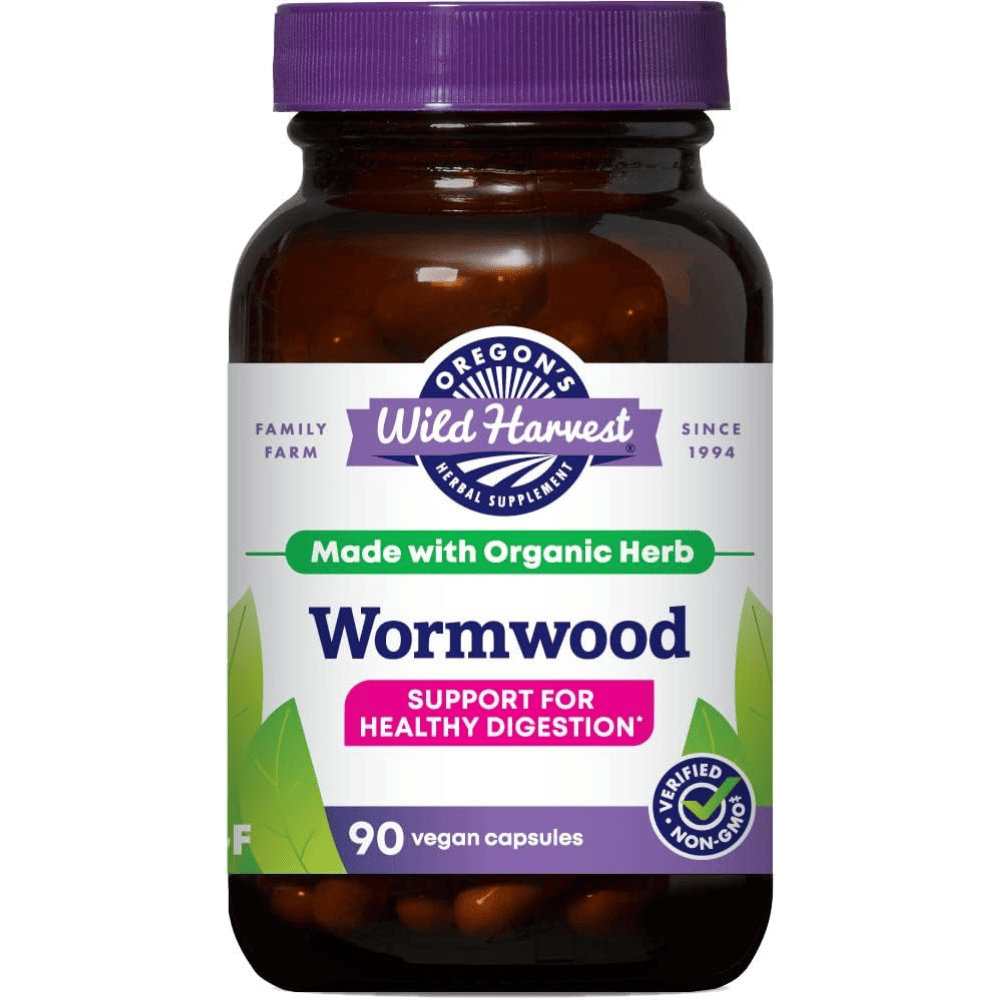
NOW Supplements Wormwood Capsules
200mg artemisia absinthium capsules for digestive and parasite support.
$9.99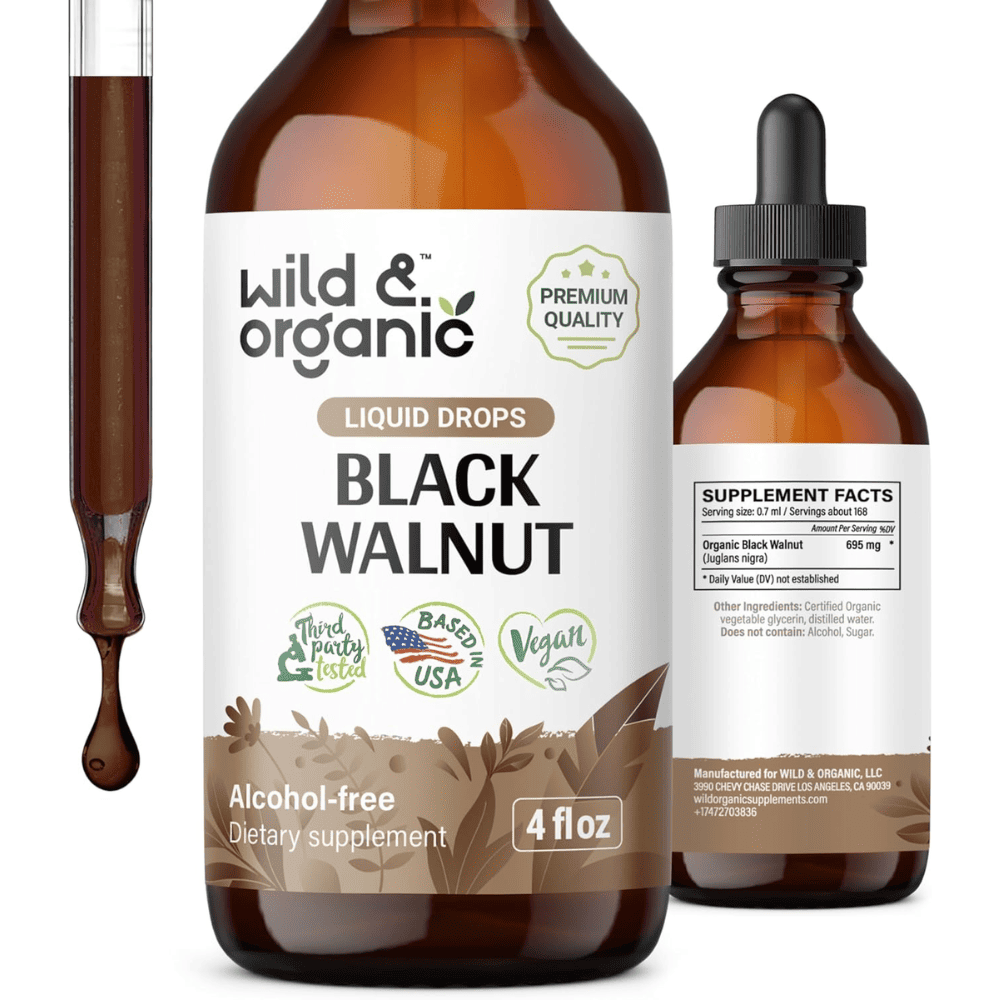
Nature's Answer Black Walnut Hull Liquid Extract
Alcohol-free black walnut hull extract with holistically balanced green hulls.
$12.99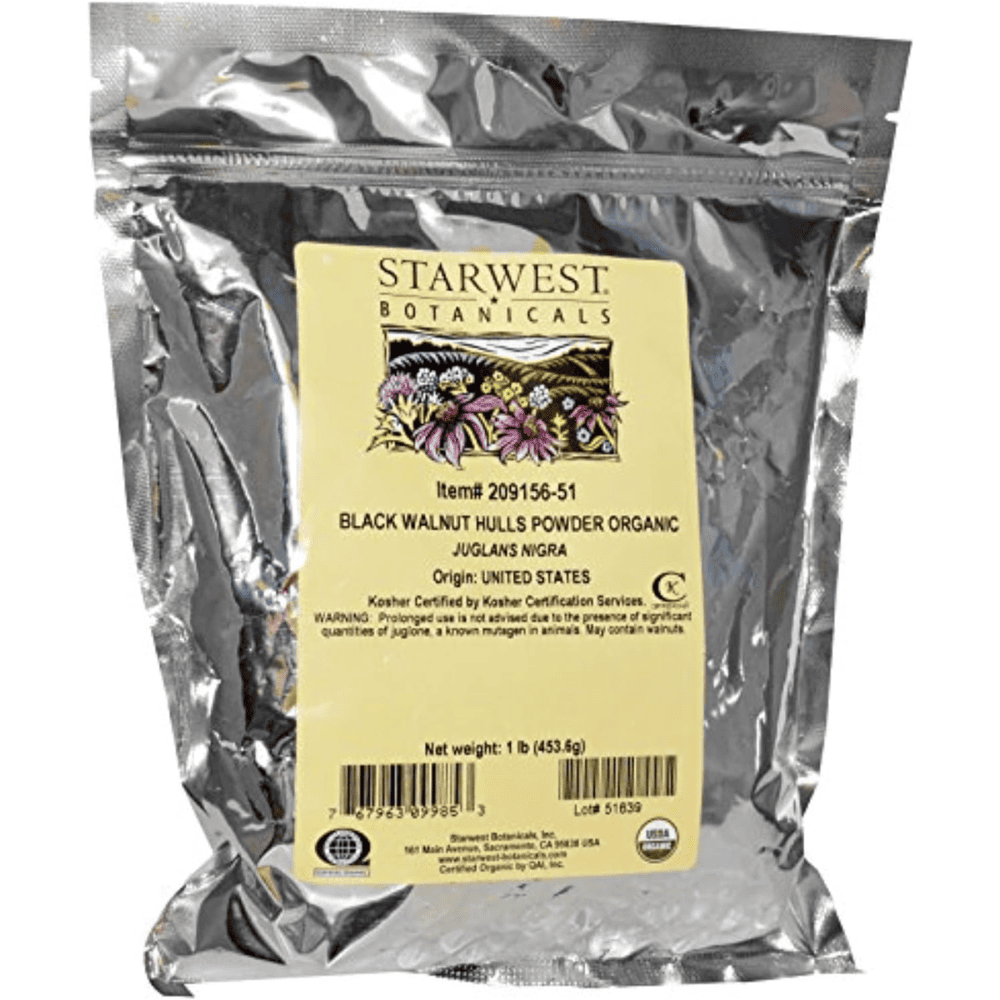
Dr. Clark Store Green Black Walnut Hull Tincture
Extra-strength black walnut hull tincture made from freshly harvested green hulls.
$18.95References
- Beshay EVN. Therapeutic efficacy of Artemisia absinthium against Hymenolepis nana. BMC Complementary and Alternative Medicine. 2018;18(1):1-8.
- Yarnell E. Botanical medicines for the urinary tract. World J Urol. 2002;20(5):285-293.
- Clark HR. The Cure for All Cancers. New Century Press, 1993.
- Mahdi AA, et al. Juglone: A potential therapeutic agent for parasitic infections. J Parasit Dis. 2020;44(3):489-497.
- Tariq KA, et al. Anthelmintic activity of extracts of Artemisia absinthium against ovine nematodes. Vet Parasitol. 2009;160(1-2):83-88.
Get the Free 30-Day Parasite Cleanse Plan
Evidence-based protocols, supplement schedules, and dietary guidance delivered to your inbox.