Worms in Stool: Signs, Parasite Testing & Natural Detox Remedies
Medical Disclaimer
This content is for informational purposes only and does not constitute medical advice. Consult a qualified healthcare provider before starting any treatment, supplement, or cleanse program. If you suspect a parasitic infection, seek professional medical diagnosis.
Have you ever looked into the toilet and wondered if something in your stool just didn't look right? Maybe it looked like a tiny white thread or a bit of rice floating around. Seeing worms in your stool -- or even suspecting them -- can be unsettling. But the truth is, it's more common than most people think. This article will help you understand what worms in stool actually look like, how to get tested for parasites, and how to naturally detox your body if you suspect a parasitic infection.
What Worms in Stool Actually Look Like
First, let's address the elephant in the room: what do worms in poop actually look like? Many people expect to see a wriggling earthworm-like creature, but most of the time, it's a lot more subtle.
Worms in stool can appear in different shapes and sizes depending on the type of parasite. Pinworms, for example, are tiny and white, almost like little threads or pieces of dental floss. Tapeworms can shed small segments that look like white rice grains or sesame seeds. Roundworms are thicker and longer and may resemble spaghetti.
What makes things trickier is that sometimes these worms or their eggs are not even visible to the naked eye. They may come out only during a cleanse or detox, which helps push them out of hiding. That's why it's important to know the subtle signs and not rely only on what you can see.
Other Signs of a Parasite Infection (Even If You Don't See Worms)
You don't always have to see worms in your stool to have a parasite problem. Many people carry parasites without knowing it. One of the most common signs is digestive discomfort -- frequent bloating, gas, constipation, or diarrhea. You might also feel tired all the time, even if you sleep well. Some people develop strange food cravings, especially for sugar or carbs -- which parasites love.
Other symptoms can include:
- Skin issues like rashes, acne, or eczema
- Itchy rectum, especially at night
- Teeth grinding during sleep (called bruxism)
- Brain fog or trouble concentrating
- Unexplained weight loss
- Mood swings or irritability
If you've been dealing with any of these symptoms and nothing else seems to explain them, it might be worth considering a parasite as the root cause.
How Do People Get Parasites in the First Place?
Most of us don't want to believe we could have a parasite. But the reality is, it can happen to anyone, even in developed countries.
Parasites often enter the body through contaminated food or water. You might pick them up from undercooked meat, unwashed fruits and vegetables, or even by drinking tap water in certain places. Traveling abroad, especially to tropical or developing countries, can increase the risk.
Pets can also be a source of parasites. If you clean up after a cat or dog, or let them lick your face, you could accidentally ingest parasite eggs. Poor hygiene -- such as not washing your hands after using the bathroom or before eating -- can also make it easier for parasites to take hold. Children are especially vulnerable because they often play outside and put their hands in their mouths.
How to Test for Parasites
If you suspect a parasite infection, testing is the next logical step. But not all tests are created equal.
The most basic type is a stool test, where you provide a small sample of your poop for lab analysis. A traditional ova and parasite (O&P) test looks for parasite eggs and larvae under a microscope. However, this test isn't always accurate. Parasites don't shed consistently, so if you're not shedding on the day of your test, it might come back negative even if you're infected.
For more accurate results, many functional medicine practitioners recommend PCR stool tests. These use DNA technology to detect parasites, even in very small amounts. Tests like the GI-MAP or the one from Doctor's Data are examples of this approach.
There are also blood tests that check for immune reactions to parasites. These aren't perfect either, but they can provide additional clues. In general, if you get tested and the results are unclear, you might want to try a parasite cleanse and see how your body responds. Strong die-off symptoms are often a clue that parasites were present all along.
If you start a parasite cleanse and suddenly see worms in the toilet, this is actually a good sign. It means your detox is working and your body is successfully pushing out the invaders. Don't be surprised if what you see varies -- some people pass whole worms, while others see little bits, pieces, or strange mucus and rope-like strands from biofilms being expelled.
Natural Cleansing and Detox Protocols for Parasites
If you do discover that you have parasites -- or even if you just strongly suspect it -- a natural cleanse can be a powerful way to support your body. The goal of a parasite detox is to kill off the parasites and help flush them out of your system. Some of the most popular and well-studied natural remedies include:
- Wormwood, black walnut, and cloves -- These three herbs are often used together because they target different life stages of the parasites. Wormwood and black walnut help kill adult worms, while cloves target the eggs.
- Pumpkin seeds and papaya seeds -- Natural anti-parasitic foods you can eat raw. They contain compounds that paralyze and kill parasites, making it easier for your body to eliminate them.
- Garlic -- Raw garlic has strong anti-parasitic properties and can help support immune function during a cleanse.
- Diatomaceous earth -- This natural powder is made from fossilized algae and is believed to physically damage parasites and help move them out of the digestive tract.
- Mimosa pudica seed -- This sticky, fibrous seed acts like a net in the gut, grabbing onto parasites, biofilms, and toxins and carrying them out.
Most parasite cleanses last between 2 to 6 weeks. During this time, it's important to stay hydrated, eat a clean diet (low in sugar and processed foods), and support your detox organs. Adding in binders like activated charcoal or bentonite clay can help trap toxins and ease die-off symptoms.
What to Do If You See Worms in Your Stool During a Cleanse
During this phase, keep drinking plenty of water and eating fiber-rich foods to help with elimination. Some people also add enemas or colon hydrotherapy to support the process, especially if they feel backed up.
Take things slow. If your symptoms get intense -- like severe fatigue, nausea, or brain fog -- it may be a sign of detox overload. Dial back the herbs, rest more, and support your liver with gentle aids like milk thistle or lemon water.
Preventing Reinfestation: Tips for Staying Parasite-Free
Once you've gone through the effort to cleanse your body, you'll want to stay parasite-free. Start with food -- wash your fruits and veggies thoroughly, and avoid undercooked meat and fish. When you travel, be extra cautious with local water and street food.
Hygiene is key too. Wash your hands before eating and after using the bathroom. Keep your fingernails clean and short to avoid harboring eggs under the nails. If you have pets, make sure they get regular deworming treatments.
It's also a good idea to do a gentle parasite cleanse once or twice a year as maintenance. Support your gut health by eating fermented foods like sauerkraut and kimchi, taking a quality probiotic, and avoiding unnecessary antibiotics when you can.
When to See a Doctor
While natural detox remedies can be effective, there are times when you should involve a healthcare provider. If you have a high fever, blood in your stool, severe abdominal pain, or signs of dehydration, it's time to get professional help.
Also, if you've done multiple cleanses and still feel sick or continue to see worms, you may need prescription antiparasitic medications. Doctors can prescribe medications like albendazole or mebendazole that are very effective against certain types of worms. Ideally, work with a practitioner who understands both conventional and natural approaches.
Your gut is the gateway to your overall health. Clearing out parasites doesn't just help your digestion -- it can improve your energy, skin, mood, and even your immune function. If something feels off and you're not getting answers, consider giving your body the cleanse it might be crying out for.
Recommended Products
As an Amazon Associate and affiliate partner, we earn from qualifying purchases. Product recommendations are based on research and editorial judgment, not compensation.
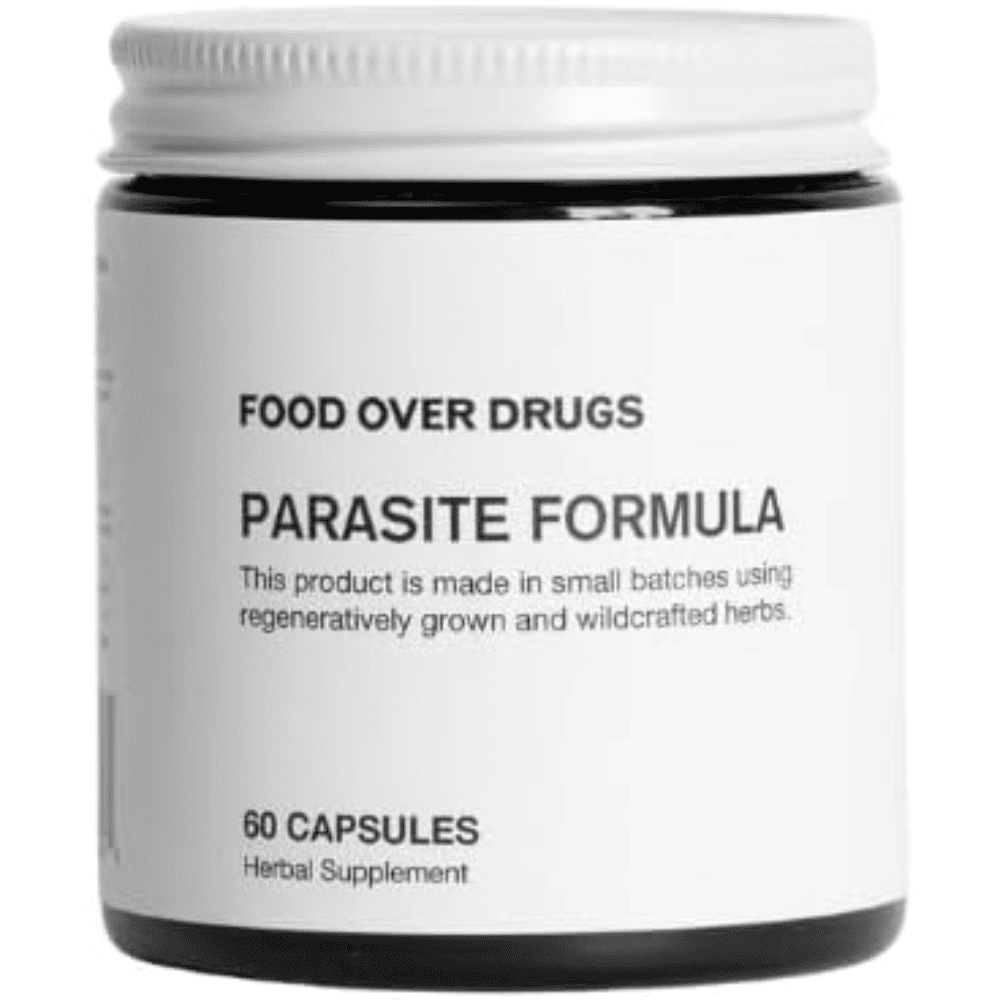
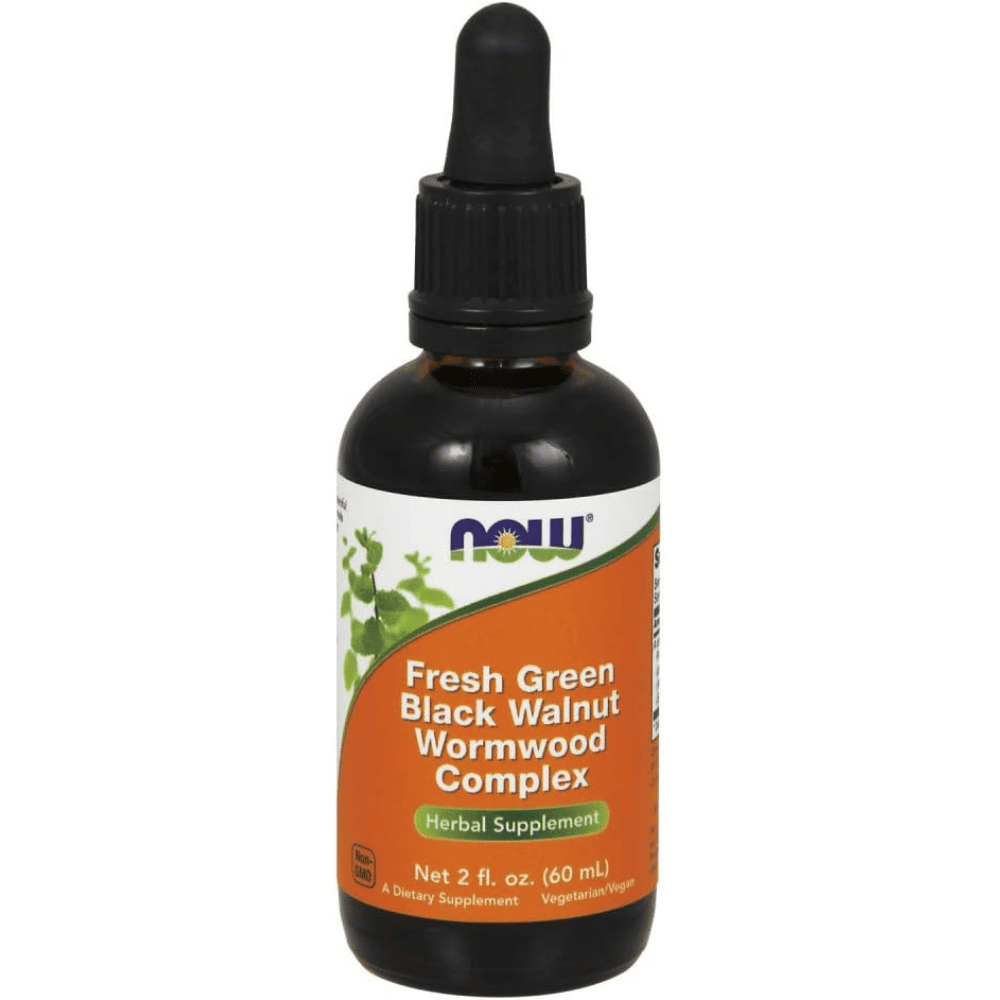
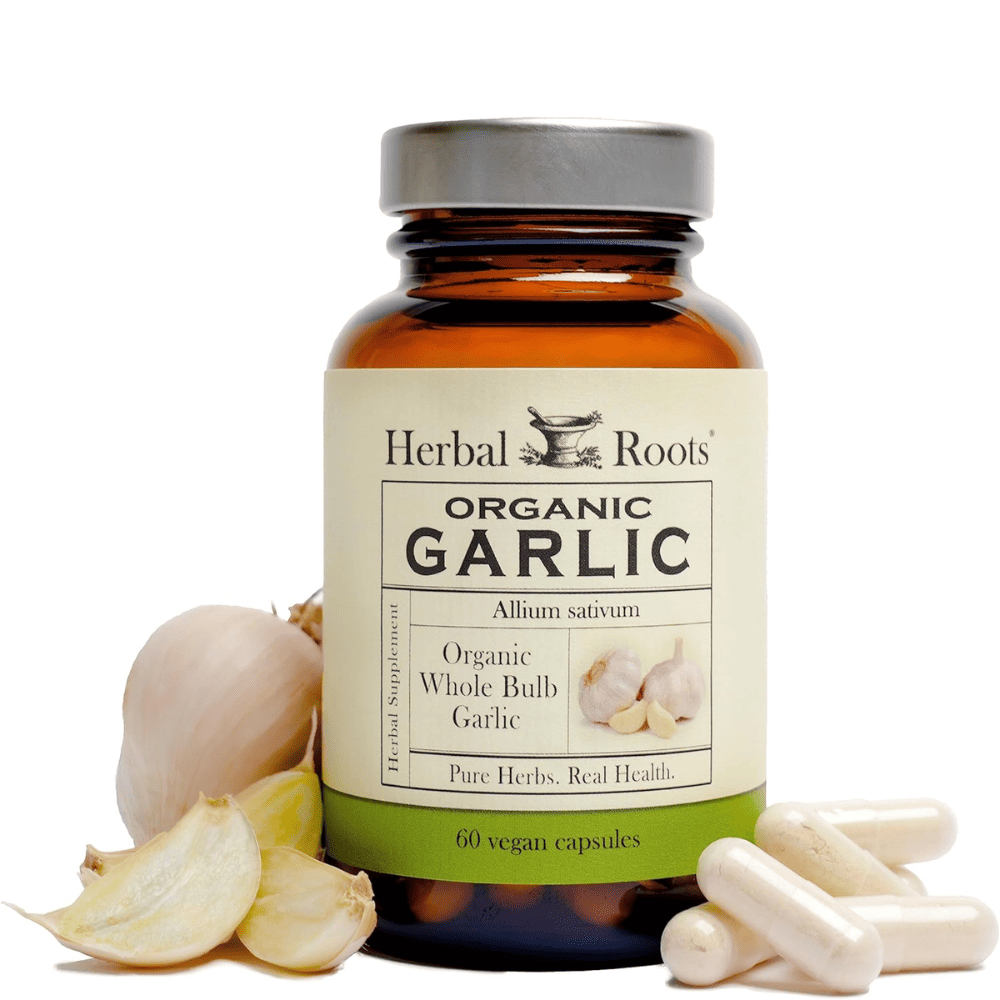
Get the Free 30-Day Parasite Cleanse Plan
Evidence-based protocols, supplement schedules, and dietary guidance delivered to your inbox.