Why Regular Parasite Cleansing is Essential for Your Health
Medical Disclaimer
This content is for informational purposes only and does not constitute medical advice. Consult a qualified healthcare provider before starting any treatment, supplement, or cleanse program. If you suspect a parasitic infection, seek professional medical diagnosis.
Most people get their car serviced regularly, visit the dentist twice a year, and schedule annual physical exams. But almost nobody thinks about regularly cleansing the body of parasites -- even though parasitic infections are far more common than most people realize and can quietly undermine your health for years without you knowing.
In many non-Western cultures and traditional medicine systems, periodic parasite cleansing is as routine as any other health maintenance practice. In this article, we explore why that wisdom deserves more attention in the modern world: how common parasites really are, what they do to the body over time, the concrete benefits of regular cleansing, and how to build a practical cleansing routine.
How Common Are Parasitic Infections, Really?
One of the biggest barriers to taking parasite cleansing seriously is the widespread belief that parasites are a "developing world problem." The reality is very different. Parasitic infections affect hundreds of millions of people worldwide, including a significant number in industrialized nations.
Consider some of the data:
- The CDC estimates that millions of Americans are infected with Toxoplasma gondii, a protozoan parasite, with most showing no symptoms
- Giardia is one of the most common waterborne parasites in the United States, frequently found in hiking trails, lakes, and even municipal water supplies
- Pinworms (Enterobius vermicularis) are estimated to infect as many as one in three children in the US at some point
- Blastocystis hominis, a common gut protozoan, has been found in 5-10% of healthy adults in developed countries
- Roundworm infections (Ascaris) affect roughly 1 billion people globally
The risk factors that bring parasites into our lives are surprisingly ordinary: eating at restaurants, owning pets, traveling domestically or internationally, drinking from natural water sources, contact with soil when gardening, or simply being a parent of school-age children. Nobody is completely protected from exposure.
The key insight here is not that you should live in fear of parasites, but that periodic cleansing is a rational, proactive health strategy given how frequently exposure occurs. Think of it the same way you think about dental cleanings or annual physicals.
What Parasites Do to Your Body Over Time
When a parasite takes up residence in the body, the effects are rarely dramatic and sudden. Instead, they tend to accumulate quietly over months and years. Here is what chronic parasitic infections do to the body over time:
- Nutritional depletion: Parasites compete with you for nutrients. Long-term infections contribute to deficiencies in iron, B12, zinc, vitamin A, and other essential nutrients, leading to anemia, weakened immunity, poor wound healing, and reduced cognitive function.
- Chronic gut inflammation: Parasites damage the intestinal lining, contributing to leaky gut syndrome, chronic inflammation, and increased susceptibility to food sensitivities and autoimmune conditions.
- Gut microbiome disruption: A healthy gut depends on a balanced community of bacteria. Parasitic infections significantly alter this balance, reducing beneficial bacteria and creating conditions favorable to pathogenic microbes, yeasts, and secondary infections.
- Immune system dysregulation: The immune system's continuous effort to fight a chronic parasitic infection can lead to immune exhaustion, making you more vulnerable to other infections, or to immune overactivation that manifests as chronic inflammation and allergy-like symptoms.
- Hormonal disruption: Gut health directly impacts hormone regulation, including cortisol, serotonin (90% of which is produced in the gut), and thyroid hormones. Chronic parasitic infections can contribute to hormonal imbalances that affect mood, sleep, metabolism, and reproductive health.
- Organ stress: Some parasites migrate beyond the gut. Toxoplasma can affect the brain, Toxocara can damage the liver and lungs, and certain flukes target the liver, bile ducts, and lungs.
The Benefits of Regular Parasite Cleansing
Regular, preventive parasite cleansing offers a range of benefits that go well beyond simply removing worms. People who incorporate periodic cleansing into their health routine often report improvements across multiple areas of wellbeing:
Improved Gut Health
Removing parasites and supporting the gut lining with cleansing herbs and probiotics helps restore the integrity of the intestinal wall, reduce chronic inflammation, and rebalance gut flora. This often translates to fewer digestive symptoms, better nutrient absorption, and reduced bloating and gas.
Increased Energy and Vitality
When your body is no longer sharing its nutritional intake with parasites and is no longer burning energy on a chronic immune battle, more resources become available for your own cells. Many people report noticeably improved energy levels after a cleanse.
Clearer Skin
The skin is a primary detox organ. When the gut is unhealthy and the immune system is fighting chronic infections, the skin often bears the burden. Removing parasites frequently leads to improvements in chronic skin conditions like eczema, acne, and hives.
Better Mental Clarity and Mood
The gut-brain axis is a bidirectional communication highway. A healthier gut means better neurotransmitter production, reduced inflammatory signals reaching the brain, and improved cognitive function and mood stability.
Stronger Immune Function
A body free of chronic parasitic burden has immune resources available to fight other threats more effectively. Regular cleansing helps keep the immune system sharp and responsive rather than perpetually exhausted.
How Often Should You Do a Parasite Cleanse?
There is no universally agreed-upon frequency for parasite cleansing, but here are evidence-informed guidelines based on risk factors and traditional practices:
- Low-risk individuals (healthy adults, no pets, limited travel): Once per year is generally sufficient as a preventive measure
- Moderate-risk individuals (pet owners, frequent outdoor activities, one or two international trips per year): Two cleanse cycles per year, typically spring and fall
- High-risk individuals (frequent international travel, work with animals, known exposure, children in the household): Quarterly gentle cleanse cycles or as directed by a healthcare practitioner
- After a specific exposure event (travel to a high-risk region, food poisoning, pet deworming diagnosis): Cleanse within 4-6 weeks of potential exposure
It is important to note that more is not always better. Overusing strong antiparasitic herbs can stress the liver, disrupt beneficial gut bacteria, and cause unnecessary die-off reactions. Gentle, periodic cleansing is more sustainable and less taxing than aggressive, constant protocols.
Best Times of Year for a Parasite Cleanse
Traditional medicine systems from Ayurveda to Traditional Chinese Medicine all recommend specific times of year for cleansing and detoxification:
- Spring (March-April): As temperatures rise, parasite activity increases. Spring is a natural time to cleanse, clearing any parasites that may have established themselves during winter.
- Fall (September-October): After a summer of outdoor activities, travel, and more varied food consumption, fall is an ideal time to cleanse.
- After full moon periods: Some traditional practitioners suggest that parasites are most active around the full moon. Many people report more pronounced die-off reactions during full moon cleanse timing.
Not all parasite cleanses are created equal. An effective cleanse addresses parasites at multiple life cycle stages, supports the body's detoxification capacity, and helps restore gut health afterward. Look for protocols that combine antiparasitic herbs, dietary changes, and post-cleanse gut restoration.
What a Good Parasite Cleanse Includes
An effective cleanse protocol should include:
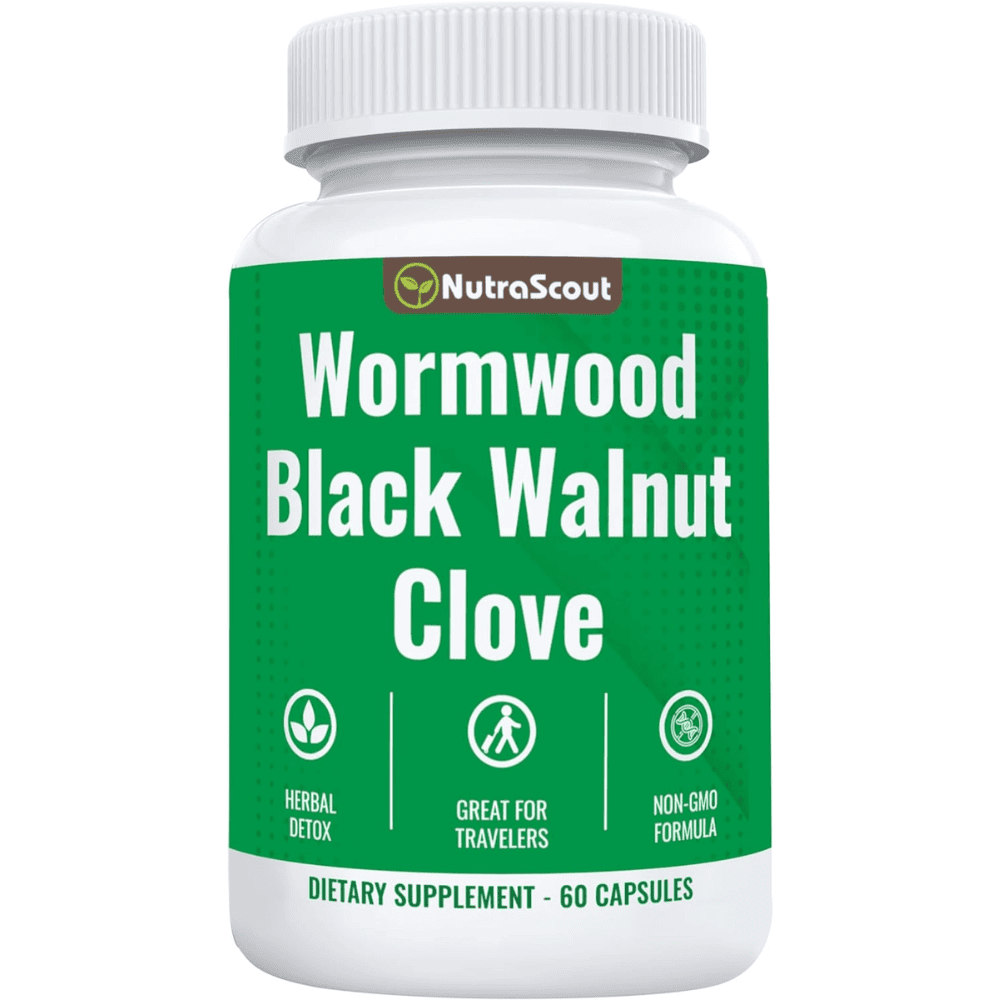
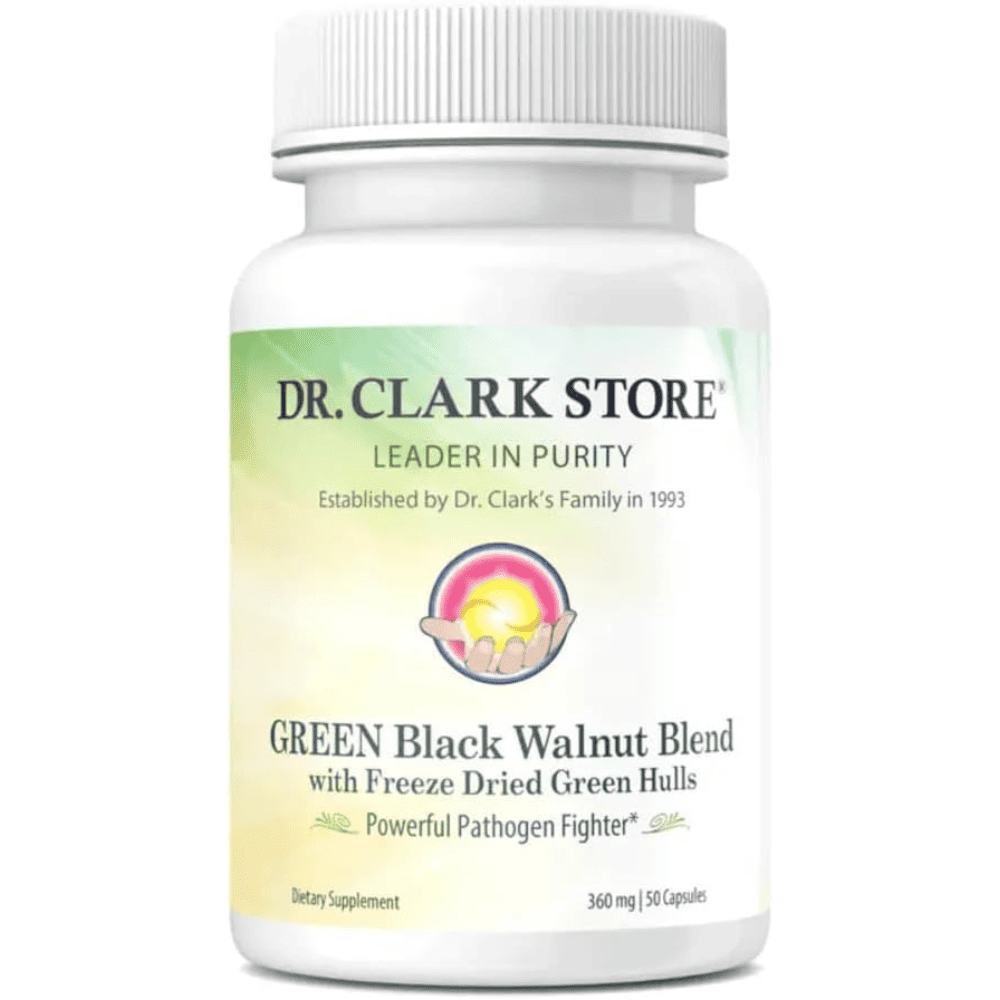
- Antiparasitic herbs: Wormwood, black walnut hull, and clove are the classic trio. Oregano oil, berberine, and artemisinin are valuable additions for protozoan parasites specifically.
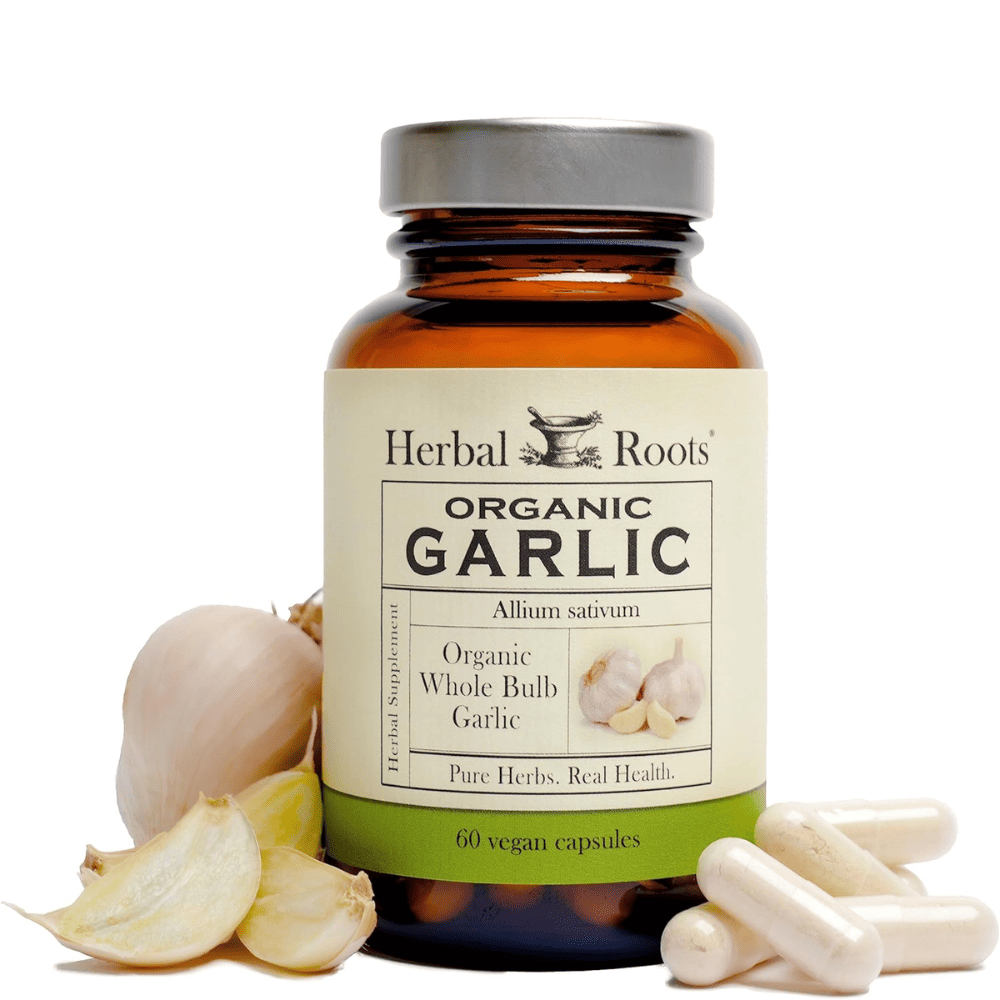
- Antiparasitic foods: Raw garlic, pumpkin seeds, papaya seeds, coconut oil, and fermented foods should feature prominently during a cleanse.
- Sugar elimination: Cutting refined sugar and simple carbohydrates starves parasites of their preferred fuel.
- Hydration: Drinking 2-3 liters of clean water daily supports kidney and liver detoxification of parasite die-off toxins.
- Fiber support: Adequate fiber keeps bowel movements regular, which is how paralyzed and dying parasites are physically expelled from the body.
- Gut restoration: After the active cleanse phase, replenishing gut flora with quality probiotics and healing the gut lining with nutrients like L-glutamine is essential.
Our 30-Day Parasite Detox Plan provides a complete, structured approach to all of these elements in a practical, day-by-day format.
Recommended Products
As an Amazon Associate and affiliate partner, we earn from qualifying purchases. Product recommendations are based on research and editorial judgment, not compensation.
Get the Free 30-Day Parasite Cleanse Plan
Evidence-based protocols, supplement schedules, and dietary guidance delivered to your inbox.