Oregano Oil vs Garlic for Parasites: Complete Comparison
Medical Disclaimer
This content is for informational purposes only and does not constitute medical advice. Consult a qualified healthcare provider before starting any treatment, supplement, or cleanse program. If you suspect a parasitic infection, seek professional medical diagnosis.
Introduction
Oregano oil and garlic are two of the most widely available and well-researched natural antimicrobials on the planet. Both have long histories of use against infections of all kinds, including parasitic ones. But they contain very different active compounds that work through distinct pathways, and understanding those differences can help you decide which one to prioritize -- or whether to use both.
This comparison covers everything you need to know: the science behind each remedy, what parasites they work against, how to dose them properly, and what side effects to watch for.
Understanding Oregano Oil
Oregano oil -- specifically oil derived from Origanum vulgare -- is not the same as the dried oregano you sprinkle on pizza. Medicinal oregano oil is a concentrated extract that contains high levels of phenolic compounds with potent antimicrobial activity.
Not all oregano oils are equal. The therapeutic value depends entirely on the concentration of two key compounds: carvacrol and thymol. A quality oregano oil supplement should contain at least 70% carvacrol for medicinal use.
Key Active Compounds in Oregano Oil
- Carvacrol: The primary bioactive phenol, typically making up 60-80% of high-quality oregano oil. Carvacrol damages parasite cell membranes by disrupting the lipid bilayer, causing the cell contents to leak out and the organism to die. It also interferes with parasite energy metabolism.
- Thymol: A related phenol that works synergistically with carvacrol. Thymol has demonstrated antioxidant, anti-inflammatory, and antimicrobial properties. It enhances the membrane-disrupting activity of carvacrol.
- P-cymene: A monoterpene that helps transport carvacrol across cell membranes, improving its effectiveness.
- Gamma-terpinene: Another terpene with antioxidant properties that supports the overall antimicrobial activity of the oil.
What Parasites Does Oregano Oil Target?
Oregano oil has shown activity against:
- Blastocystis hominis (a common protozoal parasite)
- Entamoeba hartmanni (an intestinal protozoan)
- Giardia lamblia
- Cryptosporidium
- Various helminths (intestinal worms)
- Candida species (fungal -- often co-present with parasitic infections)
A notable 2000 study published in Phytotherapy Research by Force et al. tested emulsified oregano oil on patients with known enteric parasites. After six weeks of supplementation, Blastocystis hominis had disappeared entirely in 8 of 14 patients, and Entamoeba hartmanni was eliminated in all 4 patients who harbored it. Gastrointestinal symptoms improved in 7 of 11 patients who had reported them.
Understanding Garlic
Garlic (Allium sativum) has been used as medicine for over 5,000 years. Ancient Egyptians, Greeks, Romans, Chinese, and Indian civilizations all documented garlic's use against infections and intestinal parasites. Modern science has confirmed many of these traditional uses and identified the specific compounds responsible.
The antiparasitic power of garlic comes from sulfur-containing compounds that are released when garlic cloves are crushed, chopped, or chewed. The most important of these is allicin, but garlic contains over 100 biologically active sulfur compounds.
Key Active Compounds in Garlic
- Allicin: The star compound, produced when the enzyme alliinase converts alliin (present in intact garlic cells) into allicin upon crushing. Allicin is a thiosulfinate that disrupts essential enzymatic processes in parasites, particularly those involving thiol groups. It also generates reactive oxygen species that damage parasite DNA and proteins.
- Ajoene: A secondary compound formed from allicin that has demonstrated antiparasitic activity, particularly against trypanosomes and Giardia.
- Diallyl sulfide (DAS) and diallyl disulfide (DADS): Organosulfur compounds with antiparasitic and anti-inflammatory properties. These are more stable than allicin and may contribute to garlic's longer-term effects.
- S-allyl cysteine (SAC): The primary compound in aged garlic extract (like Kyolic). While less potent as a direct antimicrobial than allicin, SAC has strong antioxidant and immune-supporting properties.
What Parasites Does Garlic Target?
Garlic and its compounds have shown activity against:
- Giardia lamblia (significant research support)
- Trypanosoma species (the cause of Chagas disease and sleeping sickness)
- Entamoeba histolytica (causes amoebic dysentery)
- Ascaris lumbricoides (roundworm)
- Hookworms
- Pinworms
- Cryptosporidium
A landmark study by Ankri and Mirelman published in Microbes and Infection demonstrated that allicin inhibited the growth of Entamoeba histolytica and Giardia lamblia at very low concentrations in laboratory settings. Research from China also demonstrated that diallyl trisulfide (a garlic derivative) was effective against several protozoan parasites including Trypanosoma and Plasmodium species.
Head-to-Head Comparison
| Feature | Oregano Oil | Garlic |
|---|---|---|
| Primary active compound | Carvacrol, thymol | Allicin, ajoene, diallyl sulfides |
| Mechanism of action | Disrupts cell membranes, interferes with energy metabolism | Disrupts thiol-dependent enzymes, generates reactive oxygen species |
| Best against | Protozoa (Blastocystis, Entamoeba), Candida | Protozoa (Giardia, Entamoeba), roundworms, hookworms |
| Bioavailability | High -- oil-soluble, well-absorbed | Variable -- allicin is unstable; aged garlic more bioavailable |
| Research quality | Moderate (one key human study, multiple in vitro) | Strong (extensive in vitro, multiple animal studies, some human data) |
| Antifungal activity | Very strong | Moderate to strong |
| Antibacterial activity | Very strong | Strong |
| Anti-inflammatory | Yes | Yes |
| Immune support | Moderate | Strong (particularly aged garlic) |
| Taste/tolerability | Very strong, can burn -- capsules recommended | Strong odor, can cause GI upset |
| Drug interactions | Few known | Interacts with blood thinners, some HIV medications |
| Cost | Moderate ($15-25/month) | Low ($10-20/month) |
| Forms available | Softgels, liquid drops, emulsified | Raw cloves, capsules, aged extract, oil |
| Pregnancy safe | No (concentrated oil) | Culinary amounts OK; supplemental doses not recommended |
Bioavailability: A Critical Difference
One of the most important differences between oregano oil and garlic is bioavailability -- how well your body can absorb and use the active compounds.
Oregano Oil Bioavailability
Carvacrol is lipophilic (fat-soluble), which means it absorbs well through the intestinal wall. Oregano oil softgels and emulsified forms provide consistent delivery. The compound remains active as it passes through the digestive tract, giving it direct contact with intestinal parasites while also being absorbed into the bloodstream for systemic effects.
The main consideration is quality. Oregano oil supplements vary dramatically in carvacrol content. Look for products that specify the carvacrol percentage -- ideally 70% or higher for antiparasitic use.
Garlic Bioavailability
Garlic's bioavailability story is more complicated. Allicin is extremely unstable -- it begins degrading almost immediately after formation and is further broken down by stomach acid. This means that simply swallowing a garlic capsule may deliver very little actual allicin to the intestines.
There are several ways to address this:
- Raw crushed garlic: Crush cloves and let them sit for 10 minutes to allow allicin formation, then consume. This delivers allicin directly but can cause significant stomach upset.
- Enteric-coated garlic tablets: These survive stomach acid and release alliin in the small intestine where alliinase can convert it to allicin. Effectiveness depends on the quality of the enteric coating.
- Aged garlic extract (like Kyolic): The aging process converts allicin into more stable compounds like S-allyl cysteine. These are less potent as direct antiparasitics but have better systemic absorption and stronger immune-supporting effects.
For parasite cleansing specifically, raw garlic or high-allicin supplements tend to be more effective than aged garlic extract, because you want the direct antimicrobial action in the gut.
Side Effects and Safety
Oregano Oil Side Effects
- Burning sensation in the mouth and throat if taken as liquid drops (always dilute or use capsules)
- Stomach upset and nausea, especially on an empty stomach
- May reduce iron absorption with long-term use
- Allergic reactions possible in people allergic to plants in the Lamiaceae family (mint, basil, sage)
- Can affect gut flora -- take probiotics 2 hours apart from oregano oil
- Not recommended during pregnancy (may stimulate uterine contractions)
- Avoid with blood-thinning medications
Garlic Side Effects
- Bad breath and body odor (the classic garlic side effect)
- Heartburn and stomach irritation, particularly with raw garlic
- Gas and bloating
- Blood-thinning effects -- this is significant. Garlic inhibits platelet aggregation, so it should be stopped at least 7-10 days before surgery and used cautiously with anticoagulant medications like warfarin.
- May interact with HIV medications (particularly saquinavir)
- Raw garlic can cause chemical burns if held against skin or mucous membranes
Dosing Guidelines
Oregano Oil Dosing
- Softgels (standardized to 70%+ carvacrol): 150-300mg, 2-3 times daily with meals
- Liquid drops: 2-4 drops diluted in water or juice, 2-3 times daily (taste is very strong)
- Emulsified oregano oil: Follow product instructions; these are typically easier on the stomach
- Protocol duration: 2-6 weeks. Some practitioners recommend 10 days on, 10 days off cycling
- Take with food to reduce stomach irritation
- Supplement with probiotics (at a different time of day) during and after use
Garlic Dosing for Parasites
- Raw garlic: 2-4 cloves daily, crushed and allowed to sit 10 minutes before consuming. Mix with honey or olive oil to reduce stomach irritation.
- High-allicin capsules: Look for products delivering 5,000-10,000 mcg of allicin potential per dose, taken 2-3 times daily
- Aged garlic extract (Kyolic): 600-1,200mg daily for immune support (less direct antiparasitic action)
- Protocol duration: 2-4 weeks for acute cleansing; can be used longer-term at lower doses for prevention
- Raw garlic is best taken with meals to reduce GI side effects
Which One Should You Choose?
Both oregano oil and garlic have legitimate antiparasitic properties, but they have different strengths:
Choose oregano oil if:
- You suspect protozoal infections (Blastocystis, Entamoeba, Giardia)
- You also have candida or fungal overgrowth
- You want the remedy with the strongest direct human evidence for enteric parasites
- You prefer a supplement you only need to take as a capsule
Choose garlic if:
- You want a budget-friendly option with broad-spectrum activity
- You want something that doubles as immune support
- You suspect roundworms or hookworms
- You prefer a food-based approach (raw garlic)
- You want a remedy with a very long safety track record
Use both if:
- You want maximum coverage against the widest range of organisms
- You are doing a comprehensive parasite cleanse protocol
- You can tolerate the combined GI effects
When using both, take them at different times of day -- for example, oregano oil with lunch and garlic with dinner. This gives each remedy time to work in the gut without overwhelming your digestive system.
Combining with Other Antiparasitic Herbs
Both oregano oil and garlic pair well with other antiparasitic herbs. Common combinations include:
- Oregano oil + wormwood + black walnut: A powerful trio targeting parasites through three different mechanisms
- Garlic + pumpkin seeds + papaya seeds: A food-based approach with multiple antiparasitic compounds
- Oregano oil + garlic + berberine: Broad-spectrum antimicrobial protocol for parasites, bacteria, and fungi
Always introduce new herbs one at a time to monitor for reactions, and stay well-hydrated throughout any cleansing protocol.
Frequently Asked Questions
Can I just eat more oregano and garlic in my cooking instead of taking supplements?
Culinary herbs and garlic used in cooking contain much lower concentrations of active compounds than therapeutic supplements. Cooking also destroys many of the beneficial compounds, particularly allicin in garlic and carvacrol in oregano. While eating these foods regularly is good for general health, you would need concentrated supplemental forms to achieve antiparasitic effects.
How long does oregano oil take to kill parasites compared to garlic?
In the Force et al. study, oregano oil showed significant parasite reduction after 6 weeks. Garlic tends to work on a similar timeline, with most protocols running 2-4 weeks. Neither is an overnight solution. Consistency and completing the full protocol duration are more important than which remedy you choose.
Can oregano oil or garlic cause Herxheimer (die-off) reactions?
Yes, both can trigger die-off symptoms as parasites and other organisms are killed. Symptoms may include headache, fatigue, brain fog, nausea, skin breakouts, and temporary worsening of digestive symptoms. These typically peak in the first 3-5 days and resolve within a week. Starting at a lower dose and gradually increasing can help minimize die-off effects.
Is oregano oil or garlic better for Candida alongside parasites?
Oregano oil is generally considered stronger against Candida. Carvacrol has been extensively studied for its antifungal properties and has shown potent activity against multiple Candida species. Garlic also has antifungal properties, but oregano oil is the preferred choice when fungal overgrowth is a primary concern alongside parasites.
Can I take oregano oil or garlic with prescription antiparasitic medications?
Consult your healthcare provider before combining natural remedies with prescription antiparasitic drugs. While there are no well-documented dangerous interactions, the combined antimicrobial effects could increase die-off reactions, and garlic's blood-thinning properties may interact with certain medications. Your doctor can advise on timing and whether combination use is appropriate for your specific situation.
The Bottom Line
Oregano oil and garlic are both effective natural antiparasitic agents with complementary mechanisms of action. Oregano oil offers stronger protozoal and antifungal activity with good bioavailability, while garlic provides broad-spectrum antiparasitic effects along with excellent immune support at a lower cost.
For the most comprehensive natural approach to parasites, using both together -- along with adequate hydration, proper diet, and probiotic support -- gives you the widest coverage. Whichever you choose, commit to the full protocol duration and pay attention to quality: high-carvacrol oregano oil and high-allicin garlic products will outperform generic alternatives.
Medical Disclaimer: This article is for informational purposes only and does not constitute medical advice. Parasite infections can be serious and may require professional diagnosis and treatment. Consult with a qualified healthcare provider before starting any parasite cleanse, especially if you are pregnant, nursing, taking medications, or have a pre-existing medical condition. These statements have not been evaluated by the Food and Drug Administration. These products are not intended to diagnose, treat, cure, or prevent any disease.
Recommended Products
As an Amazon Associate and affiliate partner, we earn from qualifying purchases. Product recommendations are based on research and editorial judgment, not compensation.
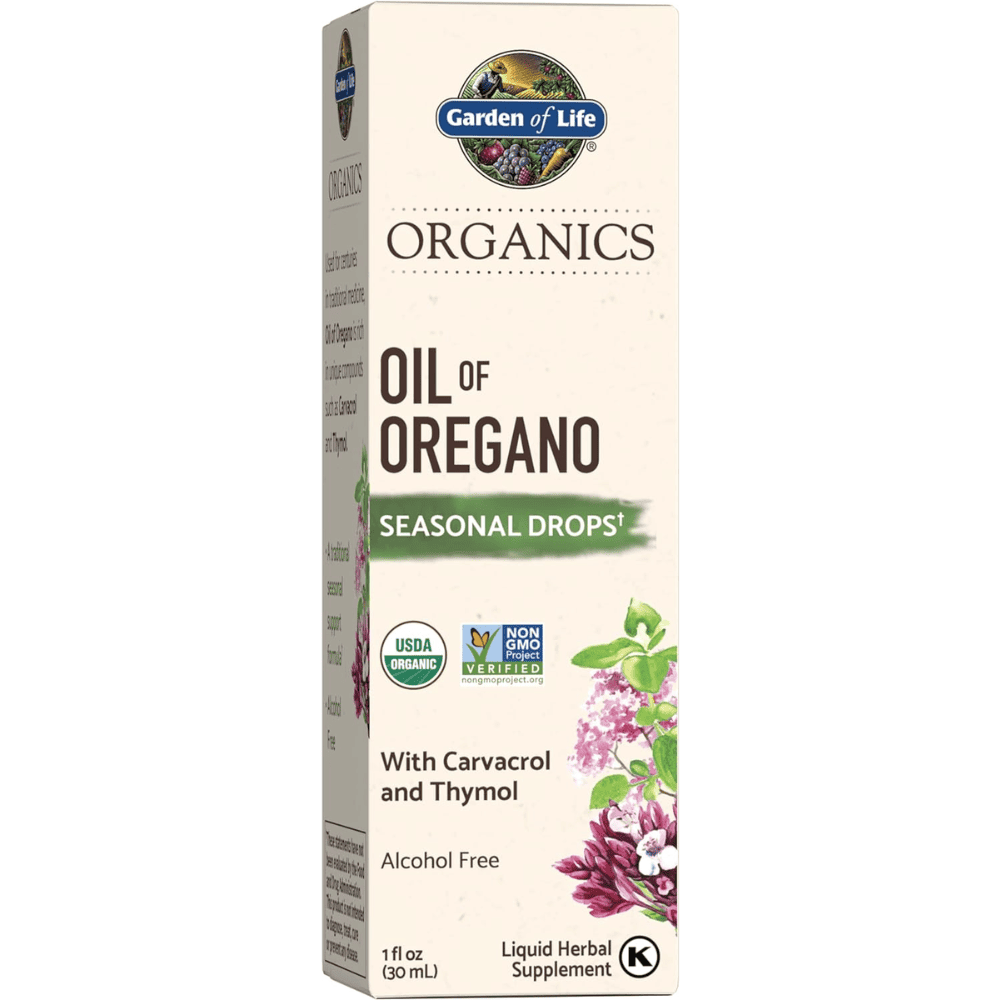
Zane Hellas Oregano Oil Softgels
High-carvacrol oregano oil softgels standardized to 32% carvacrol per serving.
$19.90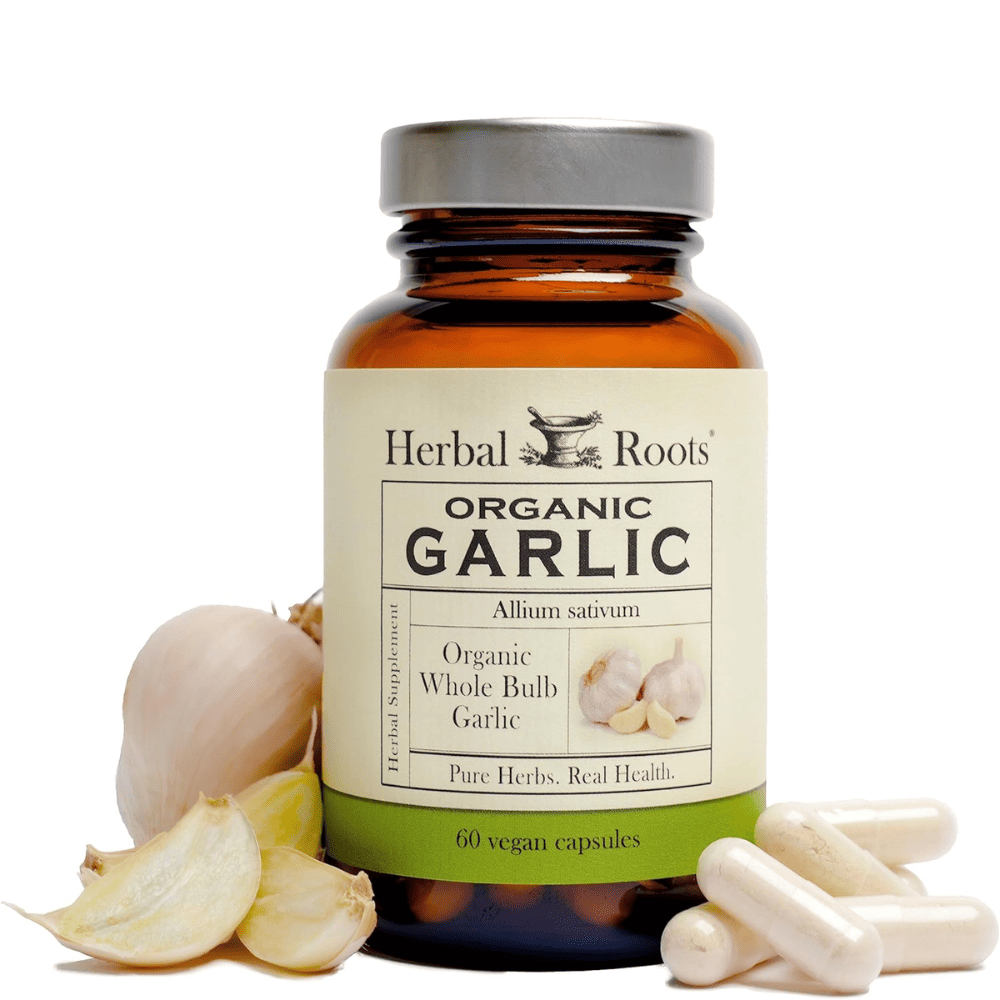
Kyolic Aged Garlic Extract
Odorless aged garlic extract capsules with enhanced bioavailability and immune support.
$14.49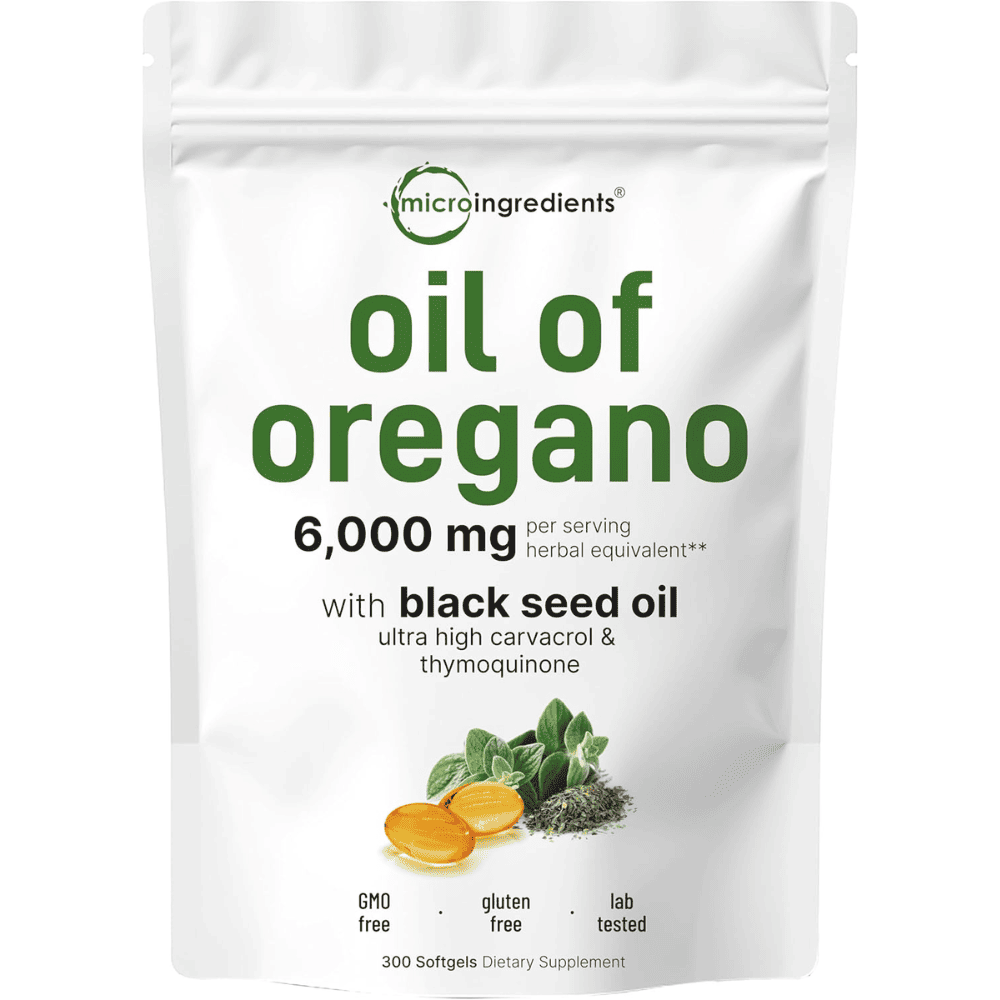
Gaia Herbs Oil of Oregano Liquid Phyto-Caps
Certified organic oregano oil in liquid-filled capsules for maximum absorption.
$22.99References
- Force M, et al. Inhibition of enteric parasites by emulsified oil of oregano in vivo. Phytother Res. 2000;14(3):213-214.
- Ankri S, Mirelman D. Antimicrobial properties of allicin from garlic. Microbes Infect. 2999;1(2):125-129.
- Bukvicki D, et al. Antimicrobial activity of essential oil of Origanum vulgare L. Food Chem Toxicol. 2015;76:1-6.
- Lun ZR, et al. Antiparasitic activity of diallyl trisulfide (Dasuansu) on human and animal pathogenic protozoa. Nat Med J China. 1994;7:706-708.
- Raut JS, Karuppayil SM. A status review on the medicinal properties of essential oils. Ind Crops Prod. 2014;62:250-264.
Get the Free 30-Day Parasite Cleanse Plan
Evidence-based protocols, supplement schedules, and dietary guidance delivered to your inbox.