Natural Supplements for Parasite Prevention
Medical Disclaimer
This content is for informational purposes only and does not constitute medical advice. Consult a qualified healthcare provider before starting any treatment, supplement, or cleanse program. If you suspect a parasitic infection, seek professional medical diagnosis.
When most people think about parasites, they think about treatment -- herbs, drugs, cleanses designed to eliminate a problem that has already taken hold. But a far more comfortable and often more effective strategy is to prevent parasitic infections from establishing themselves in the first place. The good news is that the body's own defense systems, when properly supported, are remarkably good at doing exactly this.
In this article, we will explore the best natural supplements for parasite prevention -- not treatment of confirmed active infections, but daily support that keeps your gut environment inhospitable to parasitic organisms, your immune system sharp and responsive, and your digestive function strong enough to prevent parasites from gaining a foothold. We will also discuss how to build an effective immunity stack, when to take these supplements, and how to combine them with diet and lifestyle changes for maximum protection.
How Supplements Help Prevent Parasites vs. Treat Them
It is important to draw a distinction between preventive supplementation and therapeutic treatment. This distinction matters because the approach, dosage, duration, and goals are quite different.
Therapeutic treatment (for an active, suspected, or confirmed parasitic infection) typically requires higher doses, specific herb combinations, and a defined cleanse period of 2-4 weeks or more. The herbs involved -- like wormwood and black walnut hull -- are potent and should not be taken indefinitely.
Preventive supplementation, by contrast, is gentler, longer-term, and focused on:
- Maintaining a diverse, robust gut microbiome that resists parasitic colonization
- Supporting immune surveillance -- the immune system's ability to detect and respond to parasitic threats before they become established
- Keeping the gut environment (pH, motility, mucus integrity) less welcoming to parasites
- Reducing chronic inflammation that can impair immune function
Think of preventive supplementation as maintaining a well-fortified castle, rather than fighting a battle that has already begun. The supplements we'll cover in this guide are appropriate for most healthy adults as ongoing support.
The Best Natural Supplements for Parasite Prevention
1. Probiotics
Probiotics are arguably the single most important supplement for parasite prevention. The gut microbiome -- the community of bacteria, fungi, and other microorganisms living in your intestines -- is your first line of biological defense against parasitic invasion. A dense, diverse microbiome creates "colonization resistance," meaning parasites have difficulty finding the space, nutrients, and attachment sites they need to establish themselves.
Specific probiotic strains like Lactobacillus rhamnosus, Lactobacillus acidophilus, and Bifidobacterium longum have been shown to compete directly with parasitic organisms, modulate immune responses in the gut lining, and produce lactic acid and other compounds that lower gut pH to levels unfavorable for many parasites.
Preventive dose: 10-30 billion CFU daily, multi-strain formula, taken with food.
2. Zinc
Zinc is an essential mineral that is critical for immune function. It supports the development and activity of immune cells including T-cells, natural killer cells, and neutrophils that form the body's response to parasitic threats. Zinc also maintains the integrity of the gut epithelial barrier -- the physical boundary that prevents parasites from penetrating through the gut wall into deeper tissues.
Studies have shown that zinc deficiency significantly increases susceptibility to parasitic infections, particularly in children in developing regions. Supplementing zinc in deficient individuals can improve both immune function and gut barrier integrity.
Preventive dose: 15-25 mg daily of zinc picolinate or zinc gluconate (most bioavailable forms). Take with food to reduce stomach irritation. Balance with copper if supplementing long-term.
3. Vitamin C
Vitamin C is one of the most powerful antioxidant nutrients and plays multiple roles in immune function. It stimulates the production and function of white blood cells, supports the skin and mucous membrane barrier that blocks parasitic entry, and protects immune cells from oxidative damage. Some research also suggests vitamin C may have direct activity against certain protozoan parasites.
Preventive dose: 500-1,000 mg daily. Buffered forms (calcium ascorbate) are gentler on the stomach at higher doses.
4. Garlic Extract
Garlic is one of the most well-researched natural anti-parasitic foods, and standardized garlic extract allows the benefits of allicin (garlic's primary active compound) to be taken in a concentrated, convenient, and odor-reduced form. Daily garlic supplementation may help prevent Giardia, Entamoeba, and helminthic infections by maintaining an antimicrobial gut environment.
Preventive dose: Aged garlic extract, 600-1,200 mg daily; or allicin-standardized extract. Can also be achieved by eating 1-2 raw garlic cloves daily. Learn more about garlic.
5. Berberine
Berberine is a plant alkaloid found in goldenseal, barberry, and Oregon grape root. It has demonstrated significant antimicrobial activity against bacteria, fungi, and parasites including Giardia lamblia. It also acts as a glucose metabolism modulator, reducing the high-sugar gut environment that some parasites prefer. Berberine is a potent supplement and cycles of 6-8 weeks on, followed by a break, are commonly recommended.
Preventive dose: 500 mg, two to three times daily with meals. Cycle: 6-8 weeks on, 4 weeks off.
6. Digestive Enzymes
Strong digestive function is an underappreciated defense against parasites. Adequate stomach acid, pancreatic enzymes, and bile not only digest your food -- they also create an inhospitable environment for parasitic organisms passing through the upper digestive tract. Many pathogens, including Giardia, are destroyed by adequate stomach acid. Supplementing with digestive enzymes (including proteases, lipases, and amylases) supports this protective mechanism, particularly for people whose digestive function has been compromised by stress, aging, or poor diet.
Preventive dose: A broad-spectrum digestive enzyme blend, taken with meals. Look for products containing protease, amylase, lipase, cellulase, and possibly HCl (betaine hydrochloride) for stomach acid support.
7. Colloidal Silver (With Important Caveats)
Colloidal silver is controversial and requires honest discussion. It has been used for centuries as an antimicrobial agent, and laboratory research has demonstrated broad-spectrum antimicrobial activity against bacteria, fungi, and some parasites. However, there are important safety concerns. Long-term use or high doses can cause argyria (permanent bluish-gray skin discoloration) and may disrupt the gut microbiome. The FDA has stated there is no evidence colloidal silver is safe or effective for any medical condition.
If you choose to use colloidal silver, use it only occasionally, at very low concentrations (10-20 ppm), and for short periods. It is not a supplement we recommend for daily long-term use given the available evidence and safety concerns.
Baseline Prevention Stack: For most healthy adults, a daily multi-strain probiotic, zinc (15-25 mg), vitamin C (500-1,000 mg), and garlic (food or extract) form an effective and well-tolerated foundation for parasite prevention.
How a Healthy Gut Microbiome Blocks Parasites
Your gut microbiome deserves special attention in any discussion of parasite prevention because it is not just a passive bystander -- it is an active and sophisticated defense system. Here is how a healthy microbiome specifically protects against parasitic infections:
- Competitive exclusion: Beneficial bacteria occupy the attachment sites on the intestinal epithelium that parasites would need to use. By filling these sites, they physically block parasitic organisms from gaining a foothold.
- Antimicrobial compounds: Many gut bacteria produce short-chain fatty acids, bacteriocins, and other compounds that are directly antimicrobial against pathogenic organisms including some parasites.
- Immune training: The microbiome constantly interacts with the gut-associated lymphoid tissue (GALT), the large mass of immune tissue lining the intestines. This ongoing interaction keeps immune surveillance active and helps the immune system recognize and respond to parasitic antigens more quickly.
- Mucus layer maintenance: Certain beneficial bacteria, including Akkermansia muciniphila, help maintain the thick mucus layer that lines the gut wall, which serves as a physical barrier against parasitic penetration.
To support your microbiome beyond probiotic supplementation, eat a high-fiber diet rich in prebiotic foods (garlic, onions, leeks, asparagus, oats, bananas) that feed beneficial bacteria, limit unnecessary antibiotic use, and manage stress (chronic stress significantly alters microbiome composition).
Building an Immunity Stack for Parasite Prevention
Rather than taking every supplement mentioned above simultaneously, we recommend a tiered approach based on your individual risk level:
Baseline stack (for most healthy adults):
- Multi-strain probiotic (daily)
- Zinc (15-25 mg daily)
- Vitamin C (500-1,000 mg daily)
- Garlic -- food or extract (daily)
Enhanced stack (for frequent travelers, pet owners, or those with history of parasitic infections):
- All baseline supplements, plus:
- Digestive enzymes with meals
- Berberine (cyclically -- 6-8 weeks on, 4 weeks off)
- Oregano oil capsules (as periodic support rather than continuous use)
Always consult with a healthcare provider before starting a new supplement regimen, particularly if you are on prescription medications, pregnant, or managing a chronic health condition.
When to Take These Supplements
Timing matters with supplementation. Here are practical guidelines:
- Probiotics: Best taken with meals or right before bed. Avoid taking immediately after hot beverages or directly alongside antibiotics (space 2 hours apart from antibiotics).
- Zinc: Take with food to prevent nausea. Avoid taking with coffee or high-calcium foods, which can reduce absorption.
- Vitamin C: Can be taken at any time. Splitting the dose between morning and evening can improve absorption.
- Garlic extract: Best with meals to reduce stomach irritation.
- Berberine: With meals, 2-3 times daily. Be aware it can lower blood sugar, so monitor if you are taking diabetes medications.
- Digestive enzymes: Take at the start of meals, before or with the first few bites.
Combining Supplements with Diet and Lifestyle
Supplements work best when they support a foundation of healthy habits. For maximum parasite prevention effectiveness:
- Eat an anti-parasitic diet: Minimize refined sugars, emphasize high-fiber vegetables, garlic, onions, and fermented foods. Learn more at our Anti-Parasitic Foods guide.
- Practice food safety: Wash produce thoroughly, cook meat to safe temperatures, and be cautious with raw seafood. These practices prevent the initial exposure that supplements can do nothing about.
- Stay hydrated: Adequate water intake supports gut motility, which physically moves potential parasites through and out of the digestive tract.
- Manage stress: Chronic stress depresses immune function through cortisol elevation and alters gut microbiome composition. Stress management is as important as supplementation.
- Sleep adequately: Immune function is substantially impaired by inadequate sleep. Aim for 7-9 hours per night.
- Exercise regularly: Regular moderate exercise supports immune function, lymphatic drainage, and gut motility.
Prevention vs. Treatment: Preventive supplements are gentler and designed for long-term use. If you suspect an active infection, see a healthcare provider and consider a dedicated therapeutic cleanse protocol rather than preventive dosing alone.
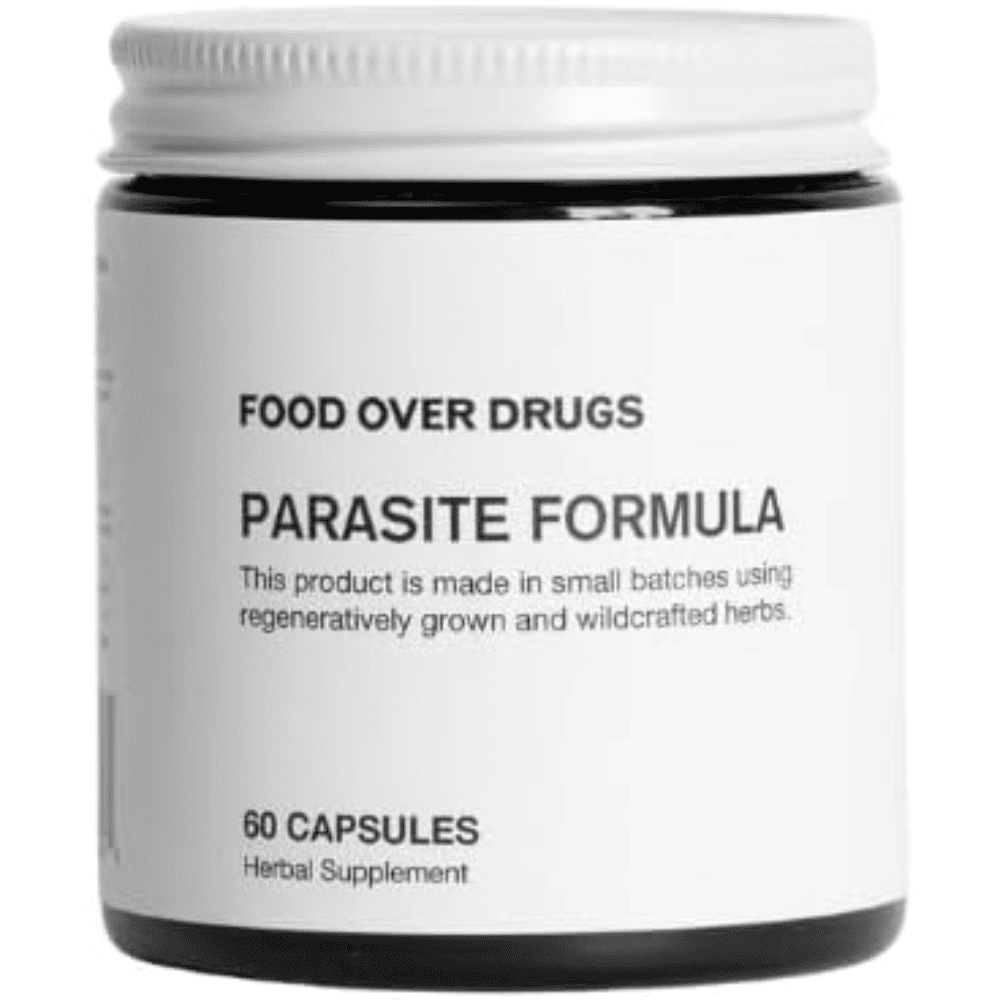
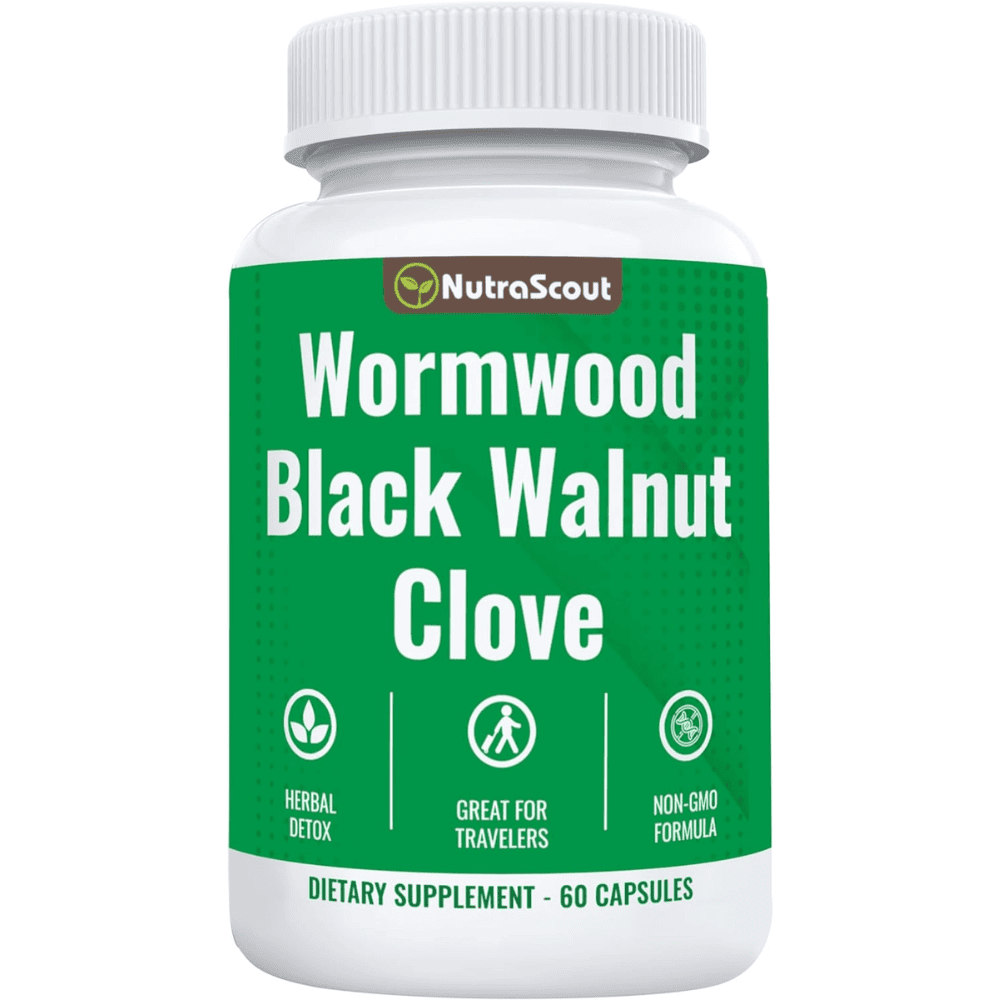
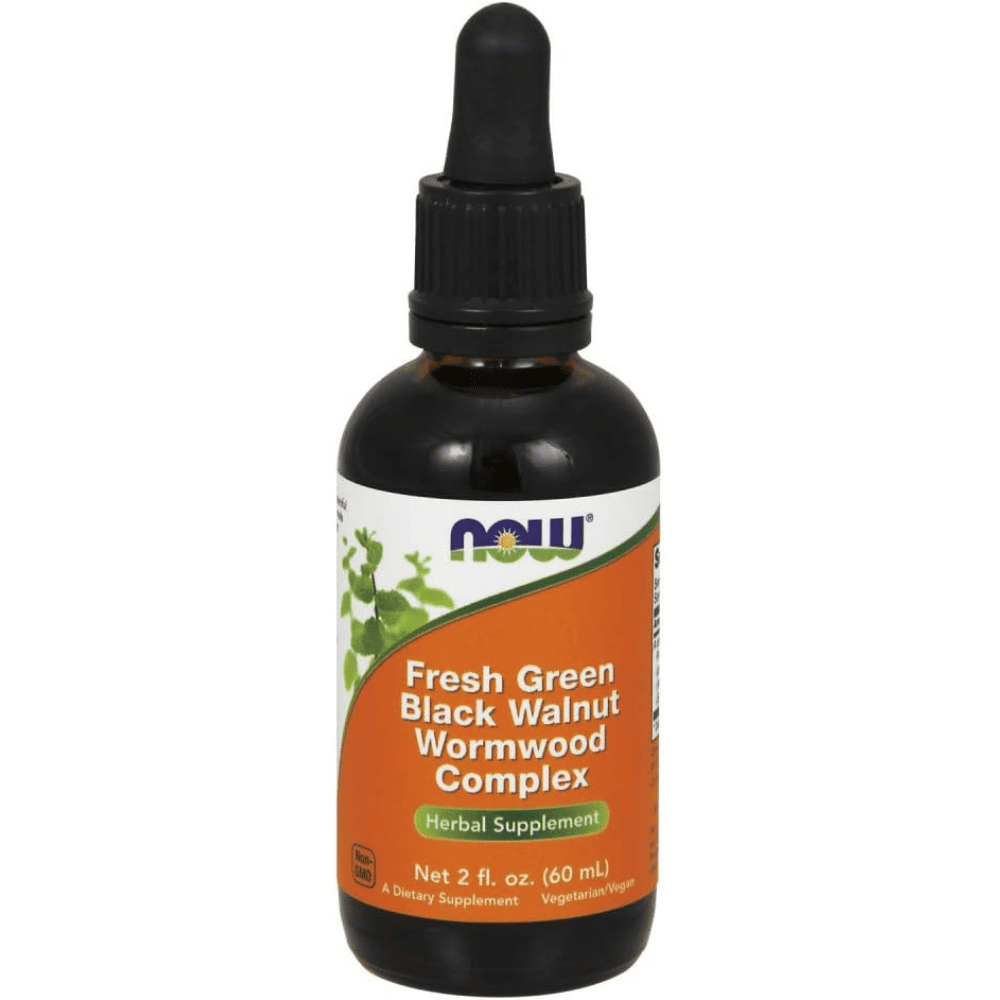
Recommended Products
As an Amazon Associate and affiliate partner, we earn from qualifying purchases. Product recommendations are based on research and editorial judgment, not compensation.
Get the Free 30-Day Parasite Cleanse Plan
Evidence-based protocols, supplement schedules, and dietary guidance delivered to your inbox.