How to Use Essential Oils to Fight Parasites
Medical Disclaimer
This content is for informational purposes only and does not constitute medical advice. Consult a qualified healthcare provider before starting any treatment, supplement, or cleanse program. If you suspect a parasitic infection, seek professional medical diagnosis.
Essential oils have been used in traditional medicine for thousands of years -- from ancient Egypt and China to the indigenous cultures of the Amazon rainforest. Today, they represent one of the fastest-growing segments of the natural health industry. Among their many touted benefits, perhaps none generates more curiosity than their potential to fight parasites.
Can a few drops of plant-derived oil really help eliminate intestinal worms, protozoa, and other parasitic organisms? The answer is more nuanced than a simple yes or no. In this guide, we'll explore how essential oils work against parasites, which oils have the most scientific support, how to use them safely, and what you should realistically expect from an essential oil-based parasite protocol.
How Essential Oils Work Against Parasites
Essential oils are highly concentrated extracts from plants -- they are the volatile aromatic compounds that give plants their distinctive scents and that serve as the plant's own defense system against pathogens, insects, and environmental threats. When we use these oils medicinally, we are essentially leveraging the plant's natural antimicrobial and pest-repelling chemistry.
The primary mechanisms through which essential oils may act against parasites include:
- Disrupting cell membranes: Phenolic compounds like carvacrol and eugenol can penetrate and destabilize the cell membranes of parasites, leading to their death.
- Inhibiting metabolic enzymes: Some essential oil compounds interfere with enzymes that parasites depend on for energy production, essentially starving them.
- Disrupting the life cycle: Certain oils may prevent parasite eggs from hatching or larvae from developing into adults.
- Modifying gut environment: By creating an antimicrobial environment in the gut, essential oils may make it harder for parasites to establish themselves or reproduce.
It's important to note that most of the research on essential oils and parasites has been conducted in laboratory settings or in animal models, rather than in large human clinical trials. That said, the laboratory evidence for several key oils is genuinely impressive and consistent with their long-standing traditional use.
The Best Anti-Parasitic Essential Oils
Not all essential oils have equal anti-parasitic activity. Here are the six most studied and traditionally relied-upon oils for fighting parasites:
1. Oregano Oil
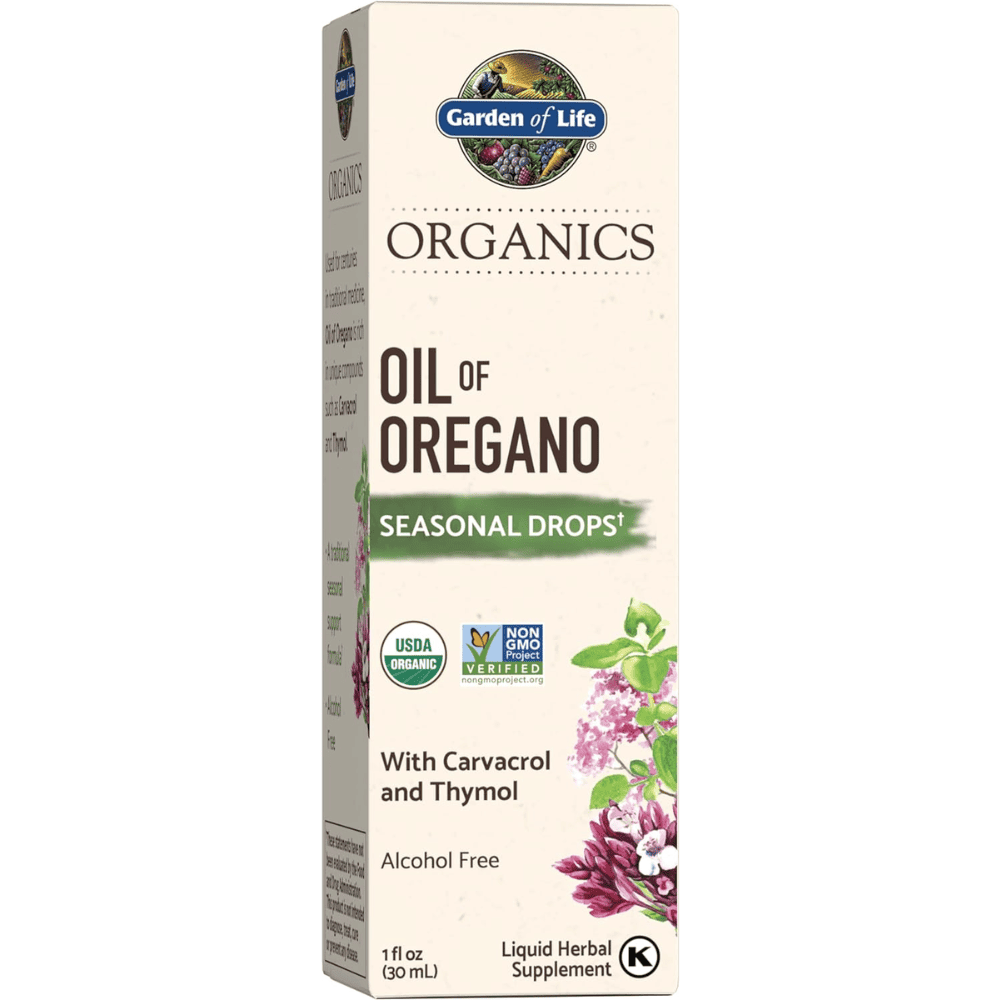
Oregano oil is widely considered the gold standard among anti-parasitic essential oils. Its high content of carvacrol (typically 60-80% in therapeutic-grade oils) gives it broad-spectrum antimicrobial activity that has been demonstrated against Giardia lamblia, Cryptosporidium, and various intestinal worms in laboratory studies. Oregano oil also contains thymol, which enhances its antiparasitic effects. Learn more at our Oregano Oil page.
2. Clove Oil
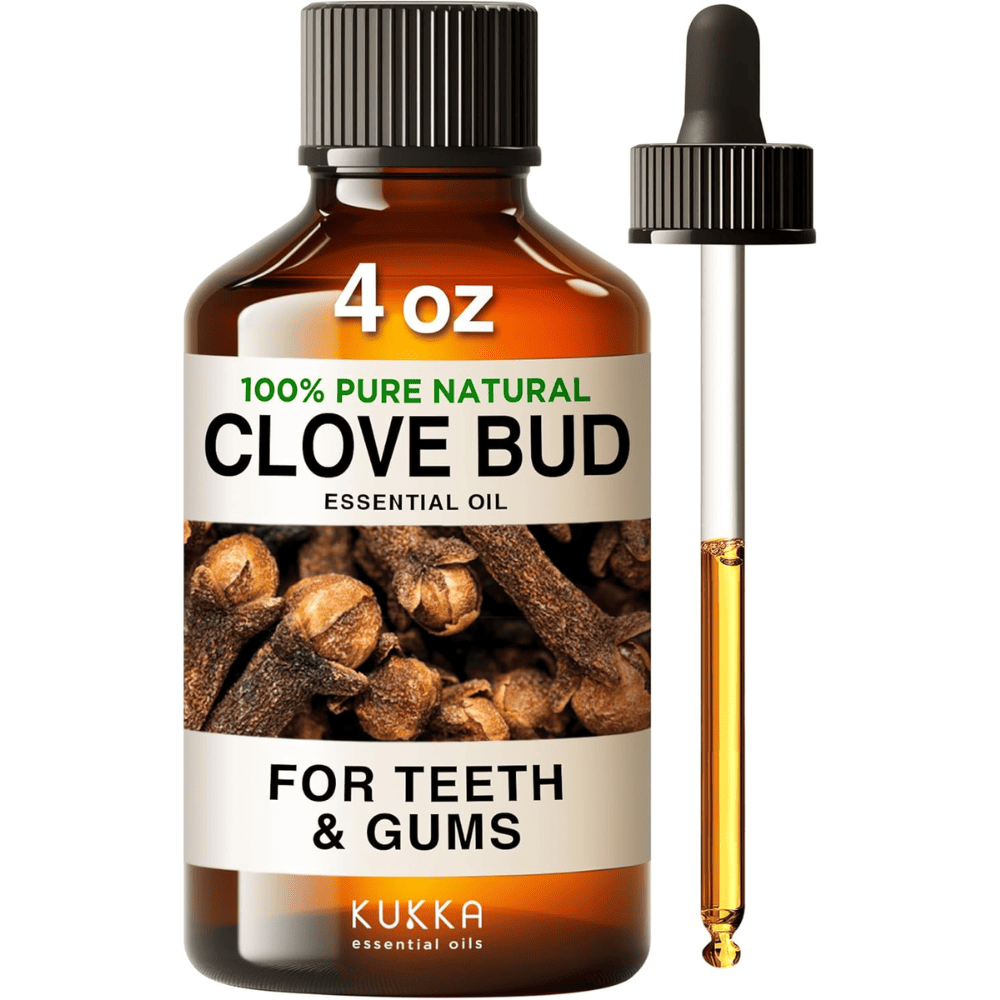
Clove oil's active compound eugenol is uniquely effective at destroying parasite eggs -- a critical step in breaking the reinfection cycle. Without targeting eggs, adult parasites may be eliminated but new ones quickly develop from unhatched eggs left behind. Clove oil also has potent antibacterial and antifungal properties, supporting a cleaner gut environment overall.
3. Thyme Oil
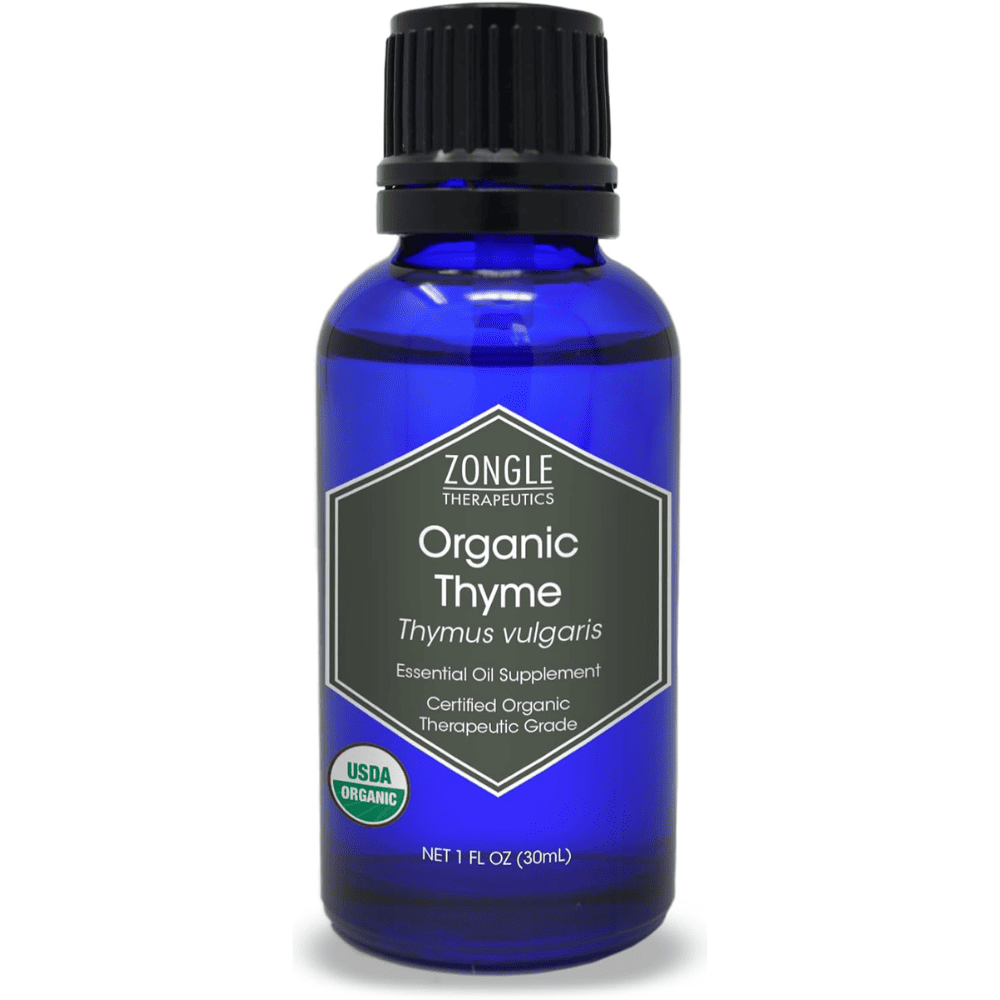
Thyme essential oil contains high levels of thymol, which has demonstrated activity against Giardia and other intestinal protozoa in laboratory research. Thymol also supports healthy gut motility, helping the body physically move parasites through and out of the digestive tract. It pairs well with oregano oil in a combined protocol.
4. Tea Tree Oil
Tea tree oil (from Melaleuca alternifolia) is known primarily for topical applications -- skin infections, fungal conditions, and external parasites like scabies and lice. It contains terpinen-4-ol, which disrupts pathogen cell membranes. Tea tree oil is particularly useful for external parasitic conditions rather than internal gut parasites.
5. Eucalyptus Oil
Eucalyptus oil contains 1,8-cineole (eucalyptol), which has shown activity against certain parasites in laboratory studies. It is most often used in combination with other oils for respiratory or topical applications, but some practitioners include it in anti-parasitic protocols for its broad antimicrobial properties.
6. Peppermint Oil
Peppermint oil contains menthol and menthone, which have demonstrated activity against Giardia and some worm species. Peppermint oil also has well-established benefits for gut health including reducing intestinal spasms and relieving the bloating and cramping that often accompany parasitic infections, making it a valuable supportive oil in any anti-parasitic protocol.
Synergy Tip: Oregano oil (carvacrol) targets adult parasites; clove oil (eugenol) targets eggs. Using both together creates broader lifecycle coverage -- similar to why the classic wormwood-black walnut-clove protocol is structured across multiple phases.
How to Use Essential Oils Safely: Dilution and Carrier Oils
The most important rule when using essential oils is this: never apply undiluted essential oils directly to skin or mucous membranes, and never ingest undiluted oils. Essential oils are extremely concentrated -- it can take several pounds of plant material to produce a single ounce of oil -- and they can cause serious chemical burns or systemic toxicity if used incorrectly.
Topical use (for external parasites):
- Dilute essential oils in a carrier oil before applying to skin. Common carrier oils include coconut oil, jojoba oil, olive oil, and sweet almond oil.
- A safe dilution rate for adults is generally 2-3% essential oil in carrier oil. This means about 12 drops of essential oil per 30ml (one fluid ounce) of carrier oil.
- Always do a patch test on a small area of skin before applying widely.
Carrier oils to use:
- Coconut oil: Has its own antifungal and antimicrobial properties. Excellent for most topical applications.
- Jojoba oil: Very stable, non-comedogenic, and well-tolerated by most skin types.
- Olive oil: Rich in antioxidants and has some antimicrobial properties of its own.
Internal vs Topical Use of Essential Oils for Parasites
This is one of the most debated topics in the essential oil world. The question of whether to take essential oils internally -- especially for gut parasites -- requires careful consideration.
Topical use is generally safe when properly diluted and is appropriate for:
- External parasites (scabies, lice, skin mites)
- Applying to the abdomen for localized support
- Aromatherapy to support immune function
Internal use (for intestinal parasites) is more controversial but is practiced by many natural health practitioners. If you choose to use essential oils internally:
- Only use oils that are explicitly labeled as food-grade or safe for internal use.
- Always dilute in a carrier oil or water. Never take neat (undiluted).
- Start with the lowest effective dose -- typically one to two drops per serving.
- Enteric-coated capsules of oregano oil or peppermint oil are specifically designed for internal use and are the safest format for most people.
- Do not use tea tree oil, eucalyptus oil, or thyme oil internally -- they can be toxic when ingested.
Oils that some practitioners use internally (with caution): oregano oil, clove oil (in very small amounts), peppermint oil.
Oils for topical use only: tea tree oil, eucalyptus oil, thyme oil in high concentrations.
What the Research Actually Shows
It is worth being honest about the current state of research on essential oils and parasites. Here is what we know and what we do not know:
What has been demonstrated:
- Carvacrol (oregano oil) has been shown in multiple in vitro studies to have activity against Giardia lamblia, Cryptosporidium, and several helminth species.
- Eugenol (clove oil) shows consistent activity against parasite eggs and larvae in laboratory studies.
- Thymol has demonstrated antiparasitic effects against Giardia in cell culture studies.
- Tea tree oil is clinically validated for external conditions like scabies and head lice.
What is still unclear:
- Large-scale, randomized controlled human trials for most essential oils and intestinal parasites are lacking.
- Optimal dosing, duration, and delivery methods for internal use have not been standardized.
- The bioavailability of essential oil compounds in the gut after ingestion varies considerably between individuals and formulations.
The honest takeaway: essential oils show genuine promise as adjunctive therapies for parasitic infections, but they should be used as part of a broader protocol (diet, other herbs, lifestyle) rather than as standalone cures.
Safety Warnings and Who Should Avoid Essential Oils
While essential oils are natural, natural does not mean risk-free. Important safety considerations include:
- Pregnancy: Many essential oils are contraindicated during pregnancy, including clove, thyme, and oregano oils, due to their potential to stimulate uterine contractions. Consult your healthcare provider before using any essential oil during pregnancy.
- Children under 10: Many essential oils are too strong for young children. Eucalyptus and peppermint oils in particular should not be applied near the face of young children due to the risk of respiratory distress.
- Pets: Many essential oils are highly toxic to cats and dogs. Never use essential oils on or around pets without veterinary guidance.
- Medication interactions: Oregano oil may interact with blood-thinning medications and some antibiotics. Always consult your doctor if you are on prescription medications.
- Allergies: People with allergies to plants in the Lamiaceae family (mint, basil, rosemary) should use oregano and thyme oils with caution.
- Liver conditions: Some essential oil compounds are processed by the liver. People with liver conditions should seek medical guidance before internal use.
Combining Essential Oils with Other Treatments
Essential oils work best as part of a comprehensive anti-parasitic protocol rather than in isolation. Here is how to layer them effectively:
- With anti-parasitic herbs: Combine oregano oil capsules with black walnut hull, wormwood, and clove for a more complete spectrum of action covering adult parasites, larvae, and eggs.
- With an anti-parasitic diet: Reduce sugar (which parasites feed on), increase fiber (which helps flush them out), and include natural anti-parasitic foods like garlic, papaya seeds, and pumpkin seeds.
- With probiotics: After or during a cleanse, probiotics help restore the gut's beneficial bacteria, which are a key line of defense against future parasitic infections.
- With hydration: Drinking plenty of water supports the kidneys and liver in processing and eliminating the toxins released as parasites die off.
For a complete, step-by-step approach, see our 30-Day Parasite Detox Plan. For more details on essential oils specifically, visit our Essential Oils for Parasites page.
RELATED READ: The Best Herbs for a Parasite Cleanse
Recommended Products
As an Amazon Associate and affiliate partner, we earn from qualifying purchases. Product recommendations are based on research and editorial judgment, not compensation.
Get the Free 30-Day Parasite Cleanse Plan
Evidence-based protocols, supplement schedules, and dietary guidance delivered to your inbox.