Holistic Health Practices to Prevent Parasites
Medical Disclaimer
This content is for informational purposes only and does not constitute medical advice. Consult a qualified healthcare provider before starting any treatment, supplement, or cleanse program. If you suspect a parasitic infection, seek professional medical diagnosis.
When we think about protecting ourselves from parasites, we often think about specific remedies -- the herbs, the supplements, the cleanses. But there is a deeper layer of protection that deserves more attention: the overall health of your body as a system. A body with a strong immune system, a well-functioning gut, and balanced stress levels is simply much harder for parasites to invade and colonize than a body running on poor sleep, chronic stress, and a high-sugar diet.
This is the essence of holistic parasite prevention -- not relying on any single remedy or supplement, but building a body-wide environment that is inherently resilient to parasitic infections. In this guide, we will explore the key holistic health practices that collectively create this resilience, from the gut-immune connection to sleep, exercise, heat therapy, and beyond.
The Gut-Immune Connection
Your gut and your immune system are not separate systems -- they are deeply and inseparably intertwined. Approximately 70-80% of the body's immune tissue is located in and around the gut, forming what scientists call the gut-associated lymphoid tissue (GALT). The gut's immune system is in constant dialogue with the trillions of microorganisms that inhabit your intestines, learning to distinguish beneficial organisms from harmful ones and mounting responses accordingly.
This gut-immune axis is your primary defense against parasitic infections. When your gut is healthy:
- The intestinal epithelial barrier is intact, preventing parasites from penetrating through the gut wall
- The dense microbiome outcompetes parasites for space and resources
- Secretory IgA antibodies produced by the gut's immune tissue coat the intestinal lining and neutralize parasitic antigens
- Innate immune cells including macrophages and dendritic cells patrol the gut lining and respond rapidly to invaders
Every holistic practice we will discuss in this guide ultimately serves, directly or indirectly, to maintain the health of this gut-immune axis. When you sleep enough, manage stress, exercise regularly, and eat well, you are supporting this system's ability to keep parasites at bay.
Mindful Eating and Food Preparation
One of the most direct parasite prevention measures is also one of the simplest: being thoughtful about what you eat and how you prepare it. Many parasitic infections begin with what we put in our mouths.
Food safety practices that prevent parasitic infection:
- Cook meat thoroughly: Many parasites -- including Toxoplasma, Trichinella, and various tapeworm species -- are transmitted through undercooked meat. Use a meat thermometer and cook all meat, poultry, and fish to safe internal temperatures.
- Wash produce carefully: Giardia, Cryptosporidium, and intestinal worm eggs can contaminate raw fruits and vegetables. Wash all produce under running water and scrub surfaces. Peel when possible.
- Be careful with water: When traveling to regions with questionable water quality, drink only bottled or boiled water and avoid ice made from tap water. Even in developed countries, Giardia outbreaks have been linked to contaminated municipal water supplies.
- Hand hygiene: Pinworm and other parasite eggs are commonly spread via the fecal-oral route -- meaning contaminated hands. Wash hands thoroughly with soap and water before eating and after using the bathroom, handling animals, or handling soil.
Dietary choices that support parasite prevention:
- Minimize refined sugars, which feed pathogenic organisms in the gut
- Eat high-fiber foods to maintain regular bowel motility (irregular bowel habits allow parasites more time to establish themselves)
- Include natural anti-parasitic foods daily: raw garlic, onions, ginger, turmeric, coconut oil, and fermented vegetables
- Stay well-hydrated to maintain gut motility and mucosal integrity
Learn more about specific anti-parasitic foods at our Anti-Parasitic Foods guide.
Stress Management: How Chronic Stress Weakens Your Parasite Defenses
Chronic psychological stress is one of the most underappreciated risk factors for parasitic and other infections. The connection is not metaphorical -- it is biochemical.
When you are under chronic stress, your body produces elevated levels of cortisol, the primary stress hormone. Cortisol in small amounts is beneficial and essential, but chronically elevated cortisol has a well-documented immunosuppressive effect. It reduces the production and activity of key immune cells, suppresses inflammatory responses (which are part of how your body fights parasites), and alters the composition of the gut microbiome -- often in ways that favor pathogenic organisms over beneficial ones.
Research has specifically shown that psychological stress increases the risk of Giardia and other protozoan infections, and that stressed individuals clear parasitic infections more slowly than those with lower stress levels.
Effective stress management practices for parasite prevention:
- Mindfulness meditation: Even 10-15 minutes daily of mindfulness practice has been shown to reduce cortisol levels and improve immune function.
- Yoga: Combines physical movement with breath work and mindfulness, addressing stress at multiple levels simultaneously.
- Time in nature: Exposure to natural environments reduces cortisol and activates the parasympathetic nervous system. Studies on "forest bathing" (shinrin-yoku) have shown measurable immune benefits.
- Social connection: Strong social relationships are one of the most powerful buffers against the health effects of stress.
- Creative activities: Hobbies, music, art, and other creative pursuits activate restorative neurological states that counteract stress physiology.
The Stress-Immunity Link: Chronically elevated cortisol reduces natural killer cell activity and suppresses the gut immune response -- two key lines of defense against parasitic invasion. Managing stress is not a luxury; it is a genuine anti-parasitic health practice.
Sleep and Parasite Vulnerability
Sleep is not a passive state -- it is a period of intense biological activity during which the immune system carries out critical maintenance and surveillance functions. During deep sleep, the body produces cytokines (immune signaling proteins) and repairs damaged tissues, while immune cells survey the body for threats and consolidate immune memory from previous exposures.
Chronic sleep deprivation -- defined as regularly getting less than 7 hours per night -- has been shown to significantly impair virtually every measurable aspect of immune function. Natural killer cell activity drops, T-cell responsiveness decreases, and inflammatory responses become dysregulated. This leaves the body significantly more vulnerable to parasitic infections and less able to clear them once established.
Beyond immune function, poor sleep also elevates cortisol levels (reinforcing the stress-immunity connection discussed above) and disrupts the gut microbiome.
Sleep hygiene practices that support immune function:
- Maintain consistent sleep and wake times, including weekends
- Keep your bedroom cool, dark, and quiet
- Avoid screens and bright light for at least one hour before bed
- Limit caffeine after noon
- Avoid alcohol close to bedtime (it disrupts sleep architecture despite inducing drowsiness)
- Consider magnesium glycinate supplementation, which supports relaxation and sleep quality
Exercise and Lymphatic Drainage
Regular moderate exercise is one of the most powerful tools for maintaining immune function and reducing parasite vulnerability. Exercise improves circulation of immune cells throughout the body, promotes lymphatic drainage (the lymphatic system is a key route through which parasitic antigens are transported to immune processing sites), and reduces chronic inflammation.
The lymphatic system deserves particular attention in the context of parasite prevention. Unlike the cardiovascular system, the lymphatic system has no pump -- it relies entirely on muscle contractions and movement to circulate lymphatic fluid. Sedentary lifestyles therefore lead to sluggish lymphatic flow, which can impair immune surveillance and the body's ability to respond to parasitic threats.
Exercise recommendations for immune support:
- Aerobic exercise: 30-45 minutes of moderate-intensity aerobic activity (brisk walking, cycling, swimming) most days of the week is the most well-validated approach for immune benefits.
- Resistance training: Two to three sessions per week of resistance training support immune function through multiple mechanisms including improved circulation and reduced body fat (excess adipose tissue promotes chronic inflammation).
- Walking: Even daily walks of 20-30 minutes provide significant lymphatic drainage benefits.
- Rebounding (mini-trampoline): Particularly effective for lymphatic drainage due to the repeated acceleration and deceleration forces.
- Yoga and stretching: Gentle movement that also supports lymphatic flow and reduces cortisol.
Note: Extremely intense exercise (overtraining) can temporarily suppress immune function. Moderate, consistent exercise is the goal.
Sauna and Heat Therapy
Regular sauna use has gained significant scientific attention in recent years for its diverse health benefits, and several of these benefits are directly relevant to parasite prevention. The practice of using heat therapy for detoxification and illness prevention is ancient -- sweat lodges, steam baths, and hot bathing traditions exist in virtually every culture worldwide.
From an immune and anti-parasitic standpoint, sauna use may benefit in several ways:
- Fever-like immune activation: The elevated body temperature during sauna use mimics a low-grade fever, which is one of the body's natural defense mechanisms against pathogens. Many parasites are sensitive to elevated temperatures and cannot reproduce as effectively when body temperature rises.
- Sweating and skin excretion: The skin is an excretory organ. Heavy sweating supports the elimination of waste products and some toxins through the skin.
- Cardiovascular and lymphatic stimulation: The heat-cold cycling typical of traditional sauna use (sauna heat followed by cold plunge or shower) dramatically stimulates circulation and lymphatic drainage.
- Stress reduction: Regular sauna use reduces cortisol levels and promotes parasympathetic nervous system activation, reinforcing the stress-immunity benefits discussed earlier.
Even 2-3 sessions of 15-20 minutes per week in an infrared or traditional sauna can provide meaningful health benefits. Always stay hydrated and listen to your body -- sauna is not appropriate for pregnant women or people with certain cardiovascular conditions.
Regular Cleansing Routines
Beyond acute parasite cleanse protocols, many holistic health practitioners recommend seasonal or quarterly gentle cleansing routines as preventive maintenance. The idea is analogous to regular oil changes in a car -- you do not wait for the engine to fail before performing maintenance.
A gentle ongoing cleansing routine might include:
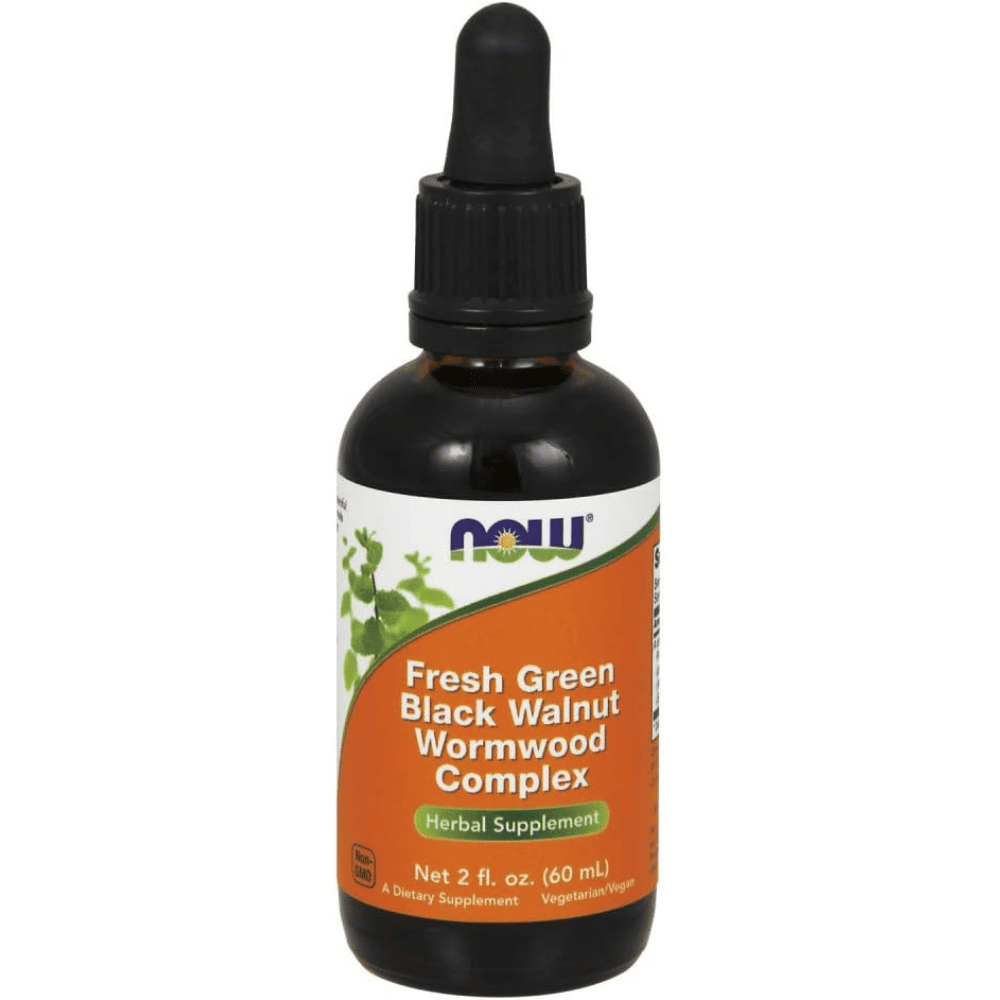
- Seasonal herbal support: A gentle two-week herbal protocol twice a year (spring and fall are traditional times) using garlic, oregano oil, and possibly lower doses of black walnut or wormwood.
- Intermittent fasting: Regular periods of digestive rest (such as a 12-16 hour overnight fast) support autophagy (cellular cleanup) and gut repair, which reinforces gut barrier integrity against parasitic invasion.
- Castor oil packs: Applied to the abdomen, castor oil packs have a long traditional use in promoting lymphatic drainage and supporting liver detoxification. They are gentle enough for regular use.
- Dry brushing: Dry skin brushing before showering stimulates lymphatic flow and supports skin excretion.
- Probiotic cycling: Some practitioners recommend periodically rotating between different probiotic strains to maintain microbiome diversity.
Building Your Holistic Parasite Prevention Routine
Bringing all of these practices together into a sustainable daily routine is the key to long-term parasite prevention. Here is a framework you can adapt to your own life:
Daily foundations:
- 7-9 hours of quality sleep
- Anti-parasitic foods in your diet (garlic, onions, fermented foods, fiber-rich vegetables)
- 30+ minutes of movement (walking counts)
- A probiotic supplement with breakfast
- Stress management practice (meditation, yoga, time in nature -- even 10-15 minutes)
- Good hand hygiene and food preparation practices
Weekly additions:
- 2-3 sauna sessions
- 2-3 resistance training sessions
Seasonal (2x per year):
- A 2-3 week gentle herbal cleanse protocol
- A more focused dietary detox period (eliminating sugar, alcohol, and processed foods)
This kind of layered, consistent approach to holistic health is far more effective than any single remedy taken sporadically. Your body's defense systems are designed to work together -- and when you support them all, the result is a body that is genuinely resilient to parasitic infections.
For more tools and resources, explore our Anti-Parasitic Solutions, our Lifestyle Solutions guide, and our 30-Day Parasite Detox Plan.
RELATED READ: Natural Supplements for Parasite Prevention
Recommended Products
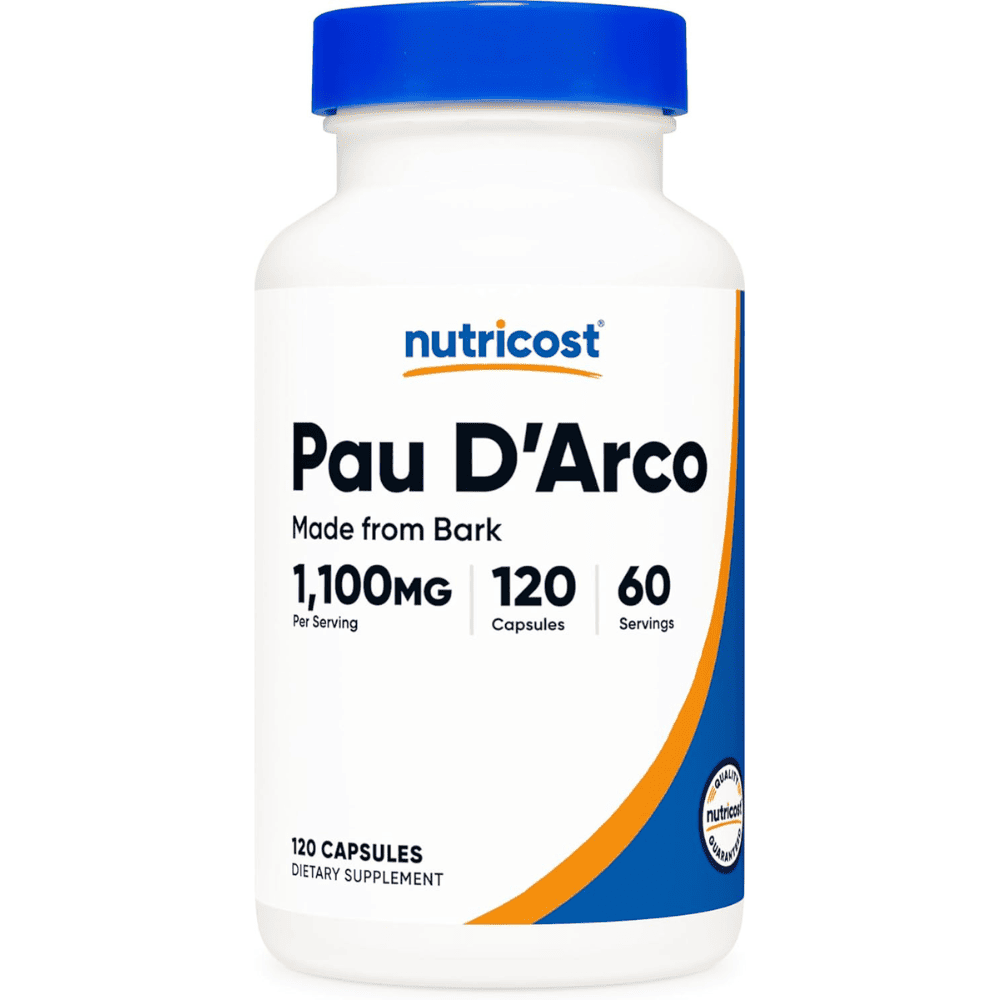
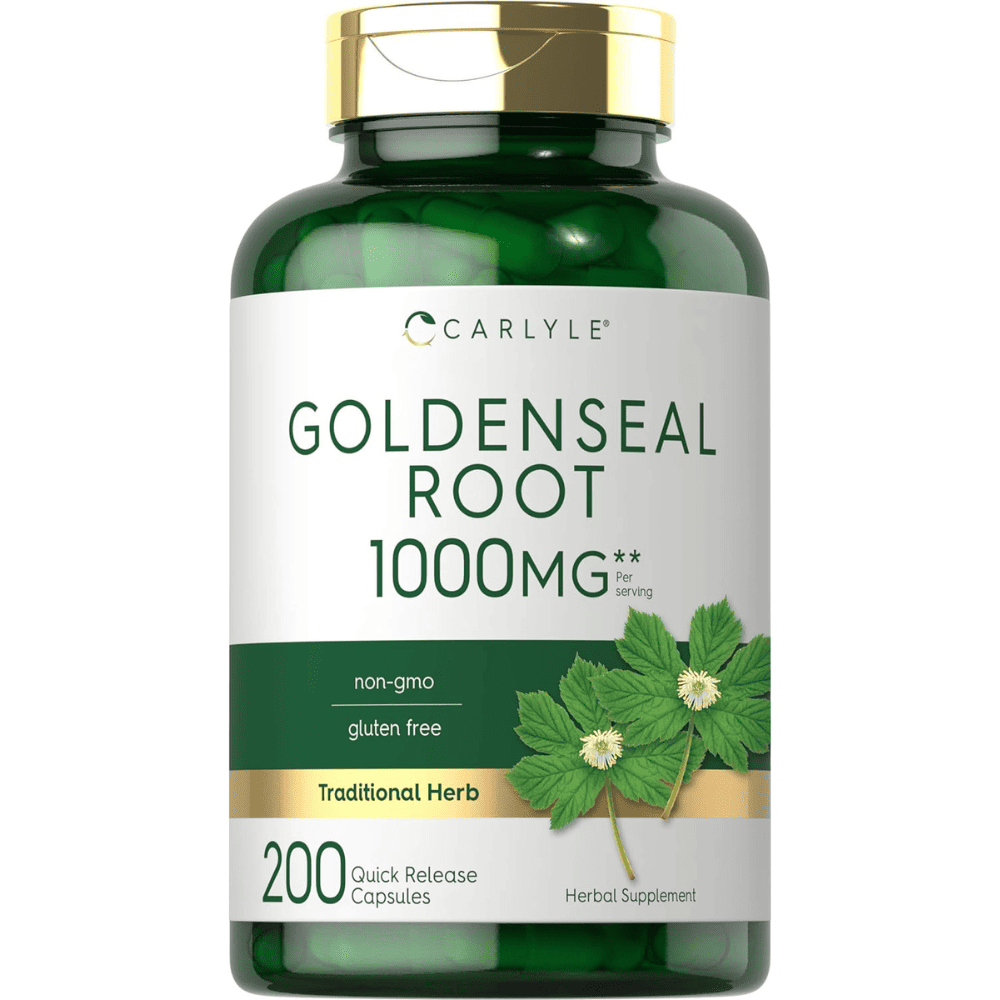
As an Amazon Associate and affiliate partner, we earn from qualifying purchases. Product recommendations are based on research and editorial judgment, not compensation.
Get the Free 30-Day Parasite Cleanse Plan
Evidence-based protocols, supplement schedules, and dietary guidance delivered to your inbox.