Common Myths About Parasites Debunked
Medical Disclaimer
This content is for informational purposes only and does not constitute medical advice. Consult a qualified healthcare provider before starting any treatment, supplement, or cleanse program. If you suspect a parasitic infection, seek professional medical diagnosis.
Parasites have a serious public relations problem. Most people either dismiss them as something that only happens to other people in other countries, or they swing to the opposite extreme and become paranoid about infection around every corner. Neither position is particularly helpful, and both can lead to real harm -- either from ignoring a genuine problem or from making poorly informed decisions about treatment.
A large part of the confusion comes from persistent myths that circulate widely in both mainstream medical culture and alternative health communities. In this article, we take on six of the most common and damaging myths about parasites, look at what the evidence actually shows, and provide a more grounded, useful perspective on how to think about parasitic infections and what to do about them.
Myth 1: Parasites Only Happen to People in Developing Countries
The myth: Parasites are a third-world problem. If you live in a developed country with good sanitation, you don't need to worry about them.
The reality: Parasitic infections are far more common in industrialized nations than most people realize, and the assumption that geography protects you is both false and potentially dangerous.
Consider the following:
- The CDC estimates that millions of Americans are infected with Toxoplasma gondii -- a protozoan that can cause serious neurological problems in immunocompromised individuals and damage to fetuses during pregnancy
- Giardia is one of the most common intestinal parasites in the US and is regularly found in mountain streams, lakes, and even municipal water supplies
- Pinworm (Enterobius vermicularis) infects an estimated 1 in 3 children in the US at some point
- Cryptosporidium causes thousands of documented infections in the US annually, including through public swimming pools
- The international food supply brings produce, meat, and seafood from regions with different parasite profiles. Imported food has been responsible for parasitic outbreaks in several countries
Additionally, international travel is now so routine that parasites acquired abroad are regularly brought home. A person returning from Southeast Asia, Central America, or Sub-Saharan Africa with an undiagnosed intestinal parasite will be just as infected regardless of where they currently live.
The bottom line: geography determines risk level, not absolute protection. Everyone who eats food, drinks water, has contact with animals, or travels is potentially exposed to parasites.
Myth 2: You Would Know If You Had Parasites
The myth: If you had a parasitic infection, you'd definitely feel sick. Since you feel fine, you're fine.
The reality: The majority of parasitic infections are asymptomatic -- meaning the person infected shows no obvious symptoms -- especially in the early stages or when parasite burden is low.
This is not a minor point. Studies have found that:
- Up to 80% of people infected with Toxoplasma gondii never develop noticeable symptoms
- Many people with Blastocystis hominis, a very common gut protozoan, are entirely asymptomatic even though the organism can cause symptoms in others
- Early-stage intestinal worm infections often produce symptoms identical to common digestive complaints like IBS, making them easy to overlook
- Some parasites can lie dormant for years before becoming active, particularly if triggered by a weakening of the immune system
Even when symptoms are present, they are typically nonspecific: fatigue, occasional bloating, mild digestive irregularity, skin issues. These complaints are so common and so easily attributed to stress, diet, or other causes that most people never consider parasites as a possibility.
Feeling well is not the same as having a clean bill of health. This is why periodic testing and preventive cleansing -- rather than waiting to feel sick -- is the more rational approach.
Key Insight: Up to 80% of Toxoplasma infections produce no noticeable symptoms. Silent infections are the norm, not the exception -- making periodic prevention more important than waiting for obvious signs.
Myth 3: Parasites Only Cause Digestive Symptoms
The myth: Parasites live in the gut, so they only cause gut problems. If your digestion is fine, parasites aren't the issue.
The reality: While many parasites do reside in the gut, their effects extend far beyond digestion. Parasites affect the immune system, the skin, the joints, the brain, and even mood and behavior.
Here are just some of the non-digestive manifestations of parasitic infections:
- Skin issues: Rashes, hives, eczema, and psoriasis flares can all be triggered by the immune response to parasitic toxins circulating in the blood
- Chronic fatigue: Nutrient depletion and the energetic cost of running a constant immune battle leave many infected people feeling perpetually exhausted
- Brain fog and mood changes: Via the gut-brain axis, parasitic disruption of the gut microbiome directly affects neurotransmitter production, mood, and cognitive function. Anxiety and depression are more common in people with parasitic gut infections
- Joint and muscle pain: Some parasites migrate into muscle and connective tissue, triggering inflammatory responses that mimic fibromyalgia or rheumatoid arthritis
- Sleep disturbances: Teeth grinding (bruxism), night sweats, and insomnia are frequently reported symptoms of parasitic infection
- Neurological effects: Toxoplasma gondii has been shown to influence personality and risk-taking behavior by affecting dopamine pathways in the brain
Seeing a symptom outside the gut does not mean parasites are not involved. A systemic view of parasitic effects is necessary to recognize the full scope of these infections.
Myth 4: Conventional Medicine Is the Only Effective Option
The myth: Natural remedies and herbal cleanses are ineffective pseudoscience. If you want to treat parasites, you need pharmaceutical drugs.
The reality: While pharmaceutical antiparasitics are often necessary for serious or confirmed infections, natural remedies have a substantial evidence base and are genuinely effective for many types of parasite management -- particularly for prevention and mild-to-moderate infections.
Consider these evidence-supported natural approaches:
- Artemisinin (from wormwood's close relative Artemisia annua) is now a first-line WHO-approved treatment for malaria -- an antiparasitic drug derived directly from traditional herbal medicine
- Berberine, found in goldenseal, barberry, and Oregon grape, has demonstrated clinical effectiveness against Giardia in human trials, comparable to some pharmaceutical options
- Papaya seed extract reduced intestinal parasite counts in children in a published clinical trial
- Studies on cucurbitacin from pumpkin seeds have shown measurable antiparasitic activity against tapeworms
The more nuanced view is that conventional and natural approaches each have their appropriate role. Serious infections -- particularly those involving organs outside the gut, or infections in immunocompromised individuals -- require pharmaceutical treatment. For prevention, mild gut infections, and post-treatment gut restoration, natural approaches are well-supported and often preferable due to their lower side effect profiles.
Myth 5: If You Do a Cleanse, You're Definitely Cured
The myth: Do the cleanse, and the parasites are gone. Job done.
The reality: Parasite cleanses -- natural or pharmaceutical -- are not magic bullets. Efficacy varies enormously depending on the type of parasite, the preparation and dosing of the treatment, how consistently you follow the protocol, and whether you address re-infestation risk.
Several factors can undermine a cleanse:
- Lifecycle gaps: Many treatments are effective against adult parasites but less effective against eggs and larvae. This is why protocols like the wormwood-black walnut-clove combination aim to address multiple lifecycle stages, and why multiple cleanse cycles are often more effective than a single one.
- Re-infestation: If you do a cleanse but don't address how you became infected in the first place (pet care, food hygiene, water quality), you're likely to become re-infected quickly.
- Wrong target: A herbal cleanse optimized for intestinal worms may do very little for a protozoan infection like Giardia, and vice versa. Knowing what you are dealing with helps enormously.
- Insufficient duration: Short-term cleanses often miss eggs that hatch after the cleanse ends, leading to a rebound of the parasite population.
A truly effective approach combines antiparasitic treatment with diet changes, gut microbiome restoration, hygiene improvements, and where necessary, household treatment (including pets and close contacts).
Myth 6: Your Pet Can't Give You Parasites
The myth: My dog/cat has been dewormed, so there's no risk of parasite transmission from my pet.
The reality: Pets are one of the most common sources of parasitic exposure in developed countries, and a single deworming treatment does not provide lasting protection for the pet or guarantee protection for the household.
Common parasites transmitted from pets to humans (zoonotic parasites) include:
- Toxocara canis and T. cati (dog and cat roundworms): Humans can become accidental hosts through contact with contaminated soil where infected animals have defecated. In humans, larvae can migrate to the liver, lungs, or eyes.
- Ancylostoma (hookworms): Larvae in contaminated soil can penetrate human skin on contact, causing cutaneous larva migrans.
- Dipylidium caninum (dog tapeworm): Transmitted when humans accidentally ingest infected fleas -- more common in children who are in close contact with pets.
- Giardia: Some strains of Giardia can be transmitted from dogs to humans, though this is still being studied.
- Cryptosporidium: Can be found in both cats and dogs and may be transmissible to humans, especially immunocompromised individuals.
Best practices for pet owners include regular veterinary deworming (typically every 3-6 months), prompt fecal cleanup, handwashing after handling pets, keeping pets off food preparation surfaces, and regular hand washing for children who play with pets. For more on managing parasite risk from pets, see our article on parasite cleansing for pets.
The Truth About Parasites: What Actually Helps
Understanding what is and isn't true about parasitic infections empowers you to make better decisions about your health. The key takeaways from this myth-busting exercise are:
- Parasites affect people everywhere, in all income levels and countries
- Most parasitic infections are silent or mildly symptomatic, not dramatic
- Parasites cause effects throughout the body, not just in the gut
- Natural and conventional medicine each have important roles, depending on the situation
- Cleansing requires a comprehensive, multi-phase approach to be truly effective
- Pets are a real and ongoing source of parasitic exposure that requires active management
Armed with accurate information, you can take practical, proportionate steps to protect yourself, test when appropriate, cleanse thoughtfully, and maintain a body that is genuinely hostile to parasitic invasion. Start with our 30-Day Parasite Detox Plan for a structured, evidence-informed approach.
Bottom Line: A truly effective parasite protocol is multi-phase -- addressing adult parasites, eggs, and larvae while also restoring gut health and eliminating re-infestation risk. No single remedy does it all.
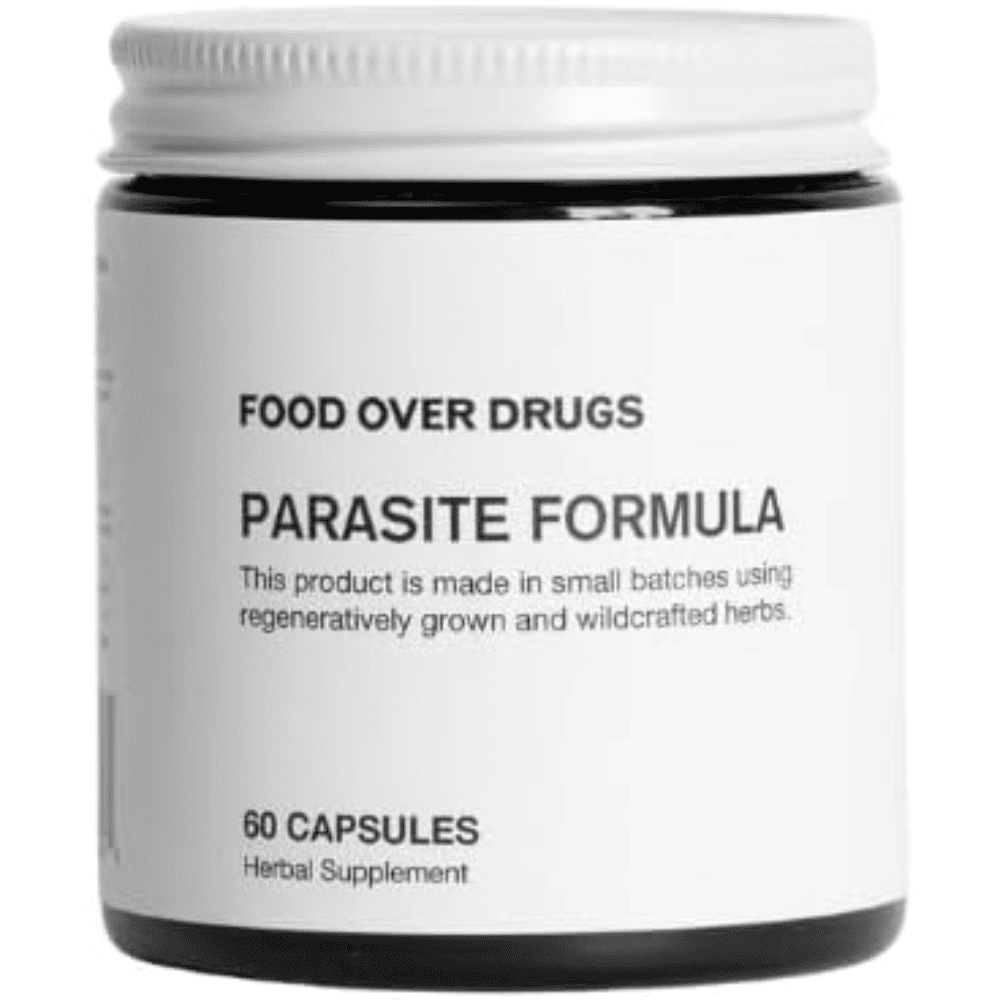
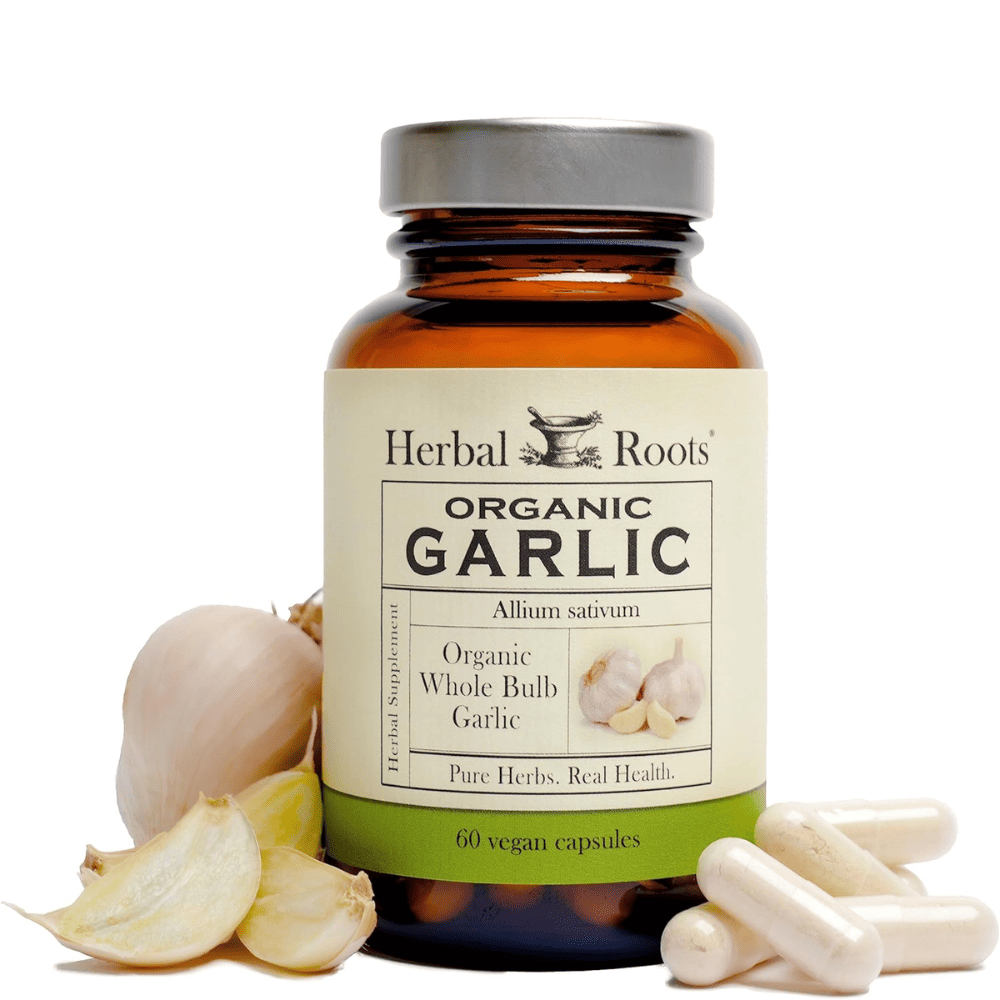
Recommended Products
As an Amazon Associate and affiliate partner, we earn from qualifying purchases. Product recommendations are based on research and editorial judgment, not compensation.

Get the Free 30-Day Parasite Cleanse Plan
Evidence-based protocols, supplement schedules, and dietary guidance delivered to your inbox.