Cleanse Parasites, Yeast & Bacteria Naturally for Better Health
Medical Disclaimer
This content is for informational purposes only and does not constitute medical advice. Consult a qualified healthcare provider before starting any treatment, supplement, or cleanse program. If you suspect a parasitic infection, seek professional medical diagnosis.
If you've ever wondered whether "feeling off" -- the stubborn bloating, skin flare-ups, brain fog, fatigue that coffee can't fix -- could be connected to what's living in your gut, you're in good company. Your digestive tract is home to trillions of microbes. Many are friendly and essential. A few are not. When parasites, opportunistic yeast (like Candida), or harmful bacteria crowd out the good guys, your body can feel overwhelmed.
Why Cleansing Matters (And What It Actually Means)
First, a reality check. Your body is already "detoxing" every second via your liver, kidneys, gut, lungs, skin, and lymph. The liver transforms fat-soluble compounds into water-soluble forms (Phase I), then conjugates them (Phase II) so they can leave your body through bile or urine.
So when we talk about a cleanse here, we're not proposing a harsh purge. We're talking about supporting those built-in systems while targeting specific overgrowths or infections -- parasites, yeast, or bacteria -- with approaches that have scientific support, and knowing when medical treatment is the right move.
Key Insight: Your liver, kidneys, and gut are already your primary detox organs. A cleanse supports these systems -- it doesn't replace them. Focus on nourishing, not depleting.
Parasites, Yeast, and Harmful Bacteria -- The Short Tour
Parasites. The CDC defines a parasite as "an organism that lives on or in a host organism and gets its food from or at the expense of its host." In the U.S., protozoa like Giardia are among the more frequent culprits, spreading via contaminated water, food, or surfaces.
Yeast (Candida). Candida albicans normally lives in the gut and on the skin. Antibiotics, high sugar intake, and immune changes can tilt the balance so yeast overgrows and causes symptoms.
Harmful bacteria. Your gut hosts hundreds of species. When opportunists overgrow -- or when bacteria migrate into the small intestine (SIBO) -- you can get bloating, pain, diarrhea/constipation, and nutrient issues.
Signs Your Body May Need a Targeted Clean-Up
Because symptoms overlap, you won't be able to self-diagnose with certainty, but common patterns include: persistent bloating, irregular stools, fatigue, skin rashes or acne, sugar cravings, recurrent infections, and brain fog. These are signals to work with a clinician on testing or to trial safe, evidence-informed nutrition and lifestyle shifts.
How Overgrowths Sabotage Your Health
When parasites, yeast, or dysbiotic bacteria take hold, they can:
- Steal nutrients -- parasites can siphon iron and vitamins, contributing to anemia and impaired growth
- Inflame your gut by releasing irritating byproducts, increasing intestinal permeability
- Stress your detox systems -- when the gut barrier is inflamed, the liver has more to process
- Disrupt the gut-brain axis, causing mood changes, brain fog, and fatigue
Natural Strategies for a Targeted, Safe Cleanse
1) Parasite-Focused Support
If you truly have a parasitic infection, the gold standard is medical diagnosis and, when indicated, prescription antiparasitics. That said, certain foods and botanicals show promising activity in research:
- Papaya seeds (Carica papaya) -- school-based trials found papaya-seed-fortified snacks significantly reduced intestinal parasite egg counts
- Garlic (Allium sativum) -- allicin and thioallyls showed activity against Giardia in animal models and antiparasitic effects in lab studies
- Ginger (Zingiber officinale) -- reviews summarize antiparasitic effects in multiple models
2) Yeast-Focused Support (Candida)
- Oregano oil -- inhibits Candida growth in vitro, including antifungal-resistant strains
- Medium-chain fatty acids (MCFAs) -- caprylic (C8) and capric (C10) acids disrupt Candida cell membranes in lab models
Diet moves that help: dialing down added sugars and refined carbs, prioritizing protein and non-starchy vegetables, and adding probiotics to restore balance.
3) Bacteria-Focused Support (SIBO & Dysbiosis)
For bacterial overgrowth in the small intestine (SIBO), antibiotics like rifaximin are commonly used. Berberine, a plant alkaloid, has shown non-inferiority to rifaximin in early clinical trials. Some patients benefit from a temporary low-fermentable carbohydrate (low-FODMAP) approach under dietitian supervision.
4-Week Protocol: Weeks 1-2: hydration, protein, 6-9 cups of vegetables, cut sugar & alcohol. Weeks 3-4: add a multi-strain probiotic and consider short clinician-guided herbal trials (berberine, caprylic acid, or oregano oil -- one at a time).
Supporting Your Body During a Cleanse
- Hydrate well -- clear urine by mid-day is a good target
- Protein at each meal for amino acids that drive Phase II detox
- Plants, plants, plants -- aim for 6-9 cups/day of non-starchy vegetables
- Fiber target: ~25-35 g/day from food; consider psyllium if tolerated
- Cut refined sugar and alcohol -- both burden the liver and encourage yeast overgrowth
- Culinary antimicrobials: cook liberally with garlic and ginger in food amounts
- Movement & sleep: light daily activity and 7-9 hours sleep to regulate immune pathways
About "Detox Reactions"
On social media, people often describe a Herxheimer-like reaction (temporary worsening) when microbes die off. What people feel during cleanses may be GI irritation, dehydration, electrolyte shifts, or constipation. If you feel unwell, slow down, hydrate, and seek medical advice.
Always consult a qualified healthcare professional before beginning any cleanse. See our full disclaimer for more information.
Recommended Products
As an Amazon Associate and affiliate partner, we earn from qualifying purchases. Product recommendations are based on research and editorial judgment, not compensation.
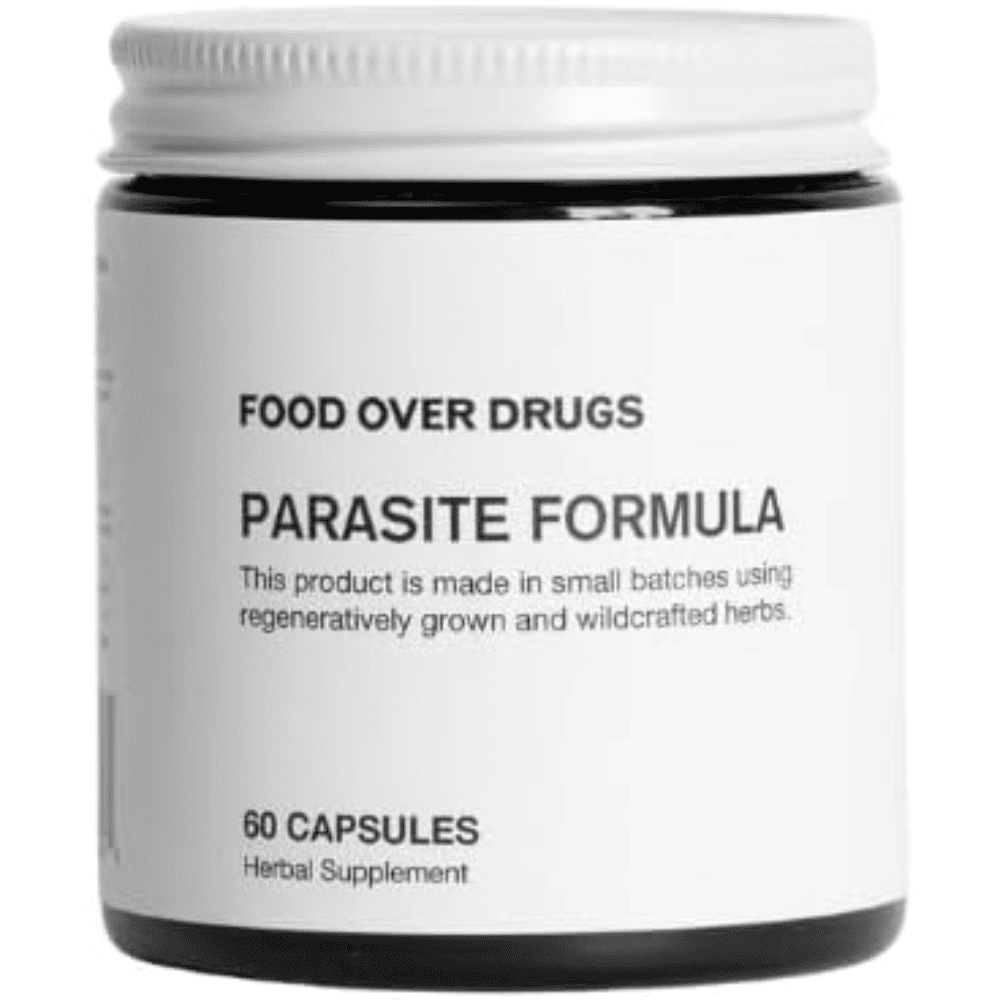
Full Spectrum Parasite Cleanse
Comprehensive support with a wide variety of herbs for parasites, yeast, and bacteria.
$14.99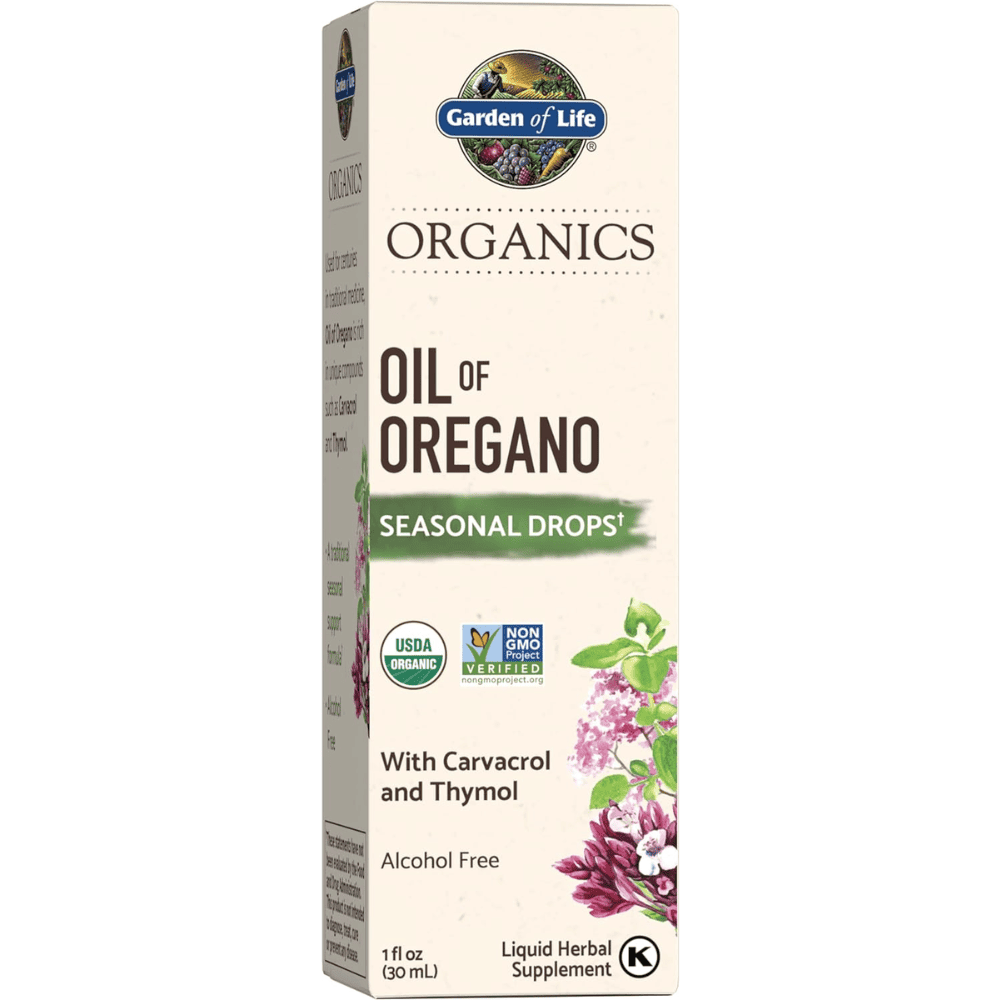
Oil Of Oregano Drops (Alcohol Free)
High-potency oregano oil drops with antimicrobial and antifungal properties.
$12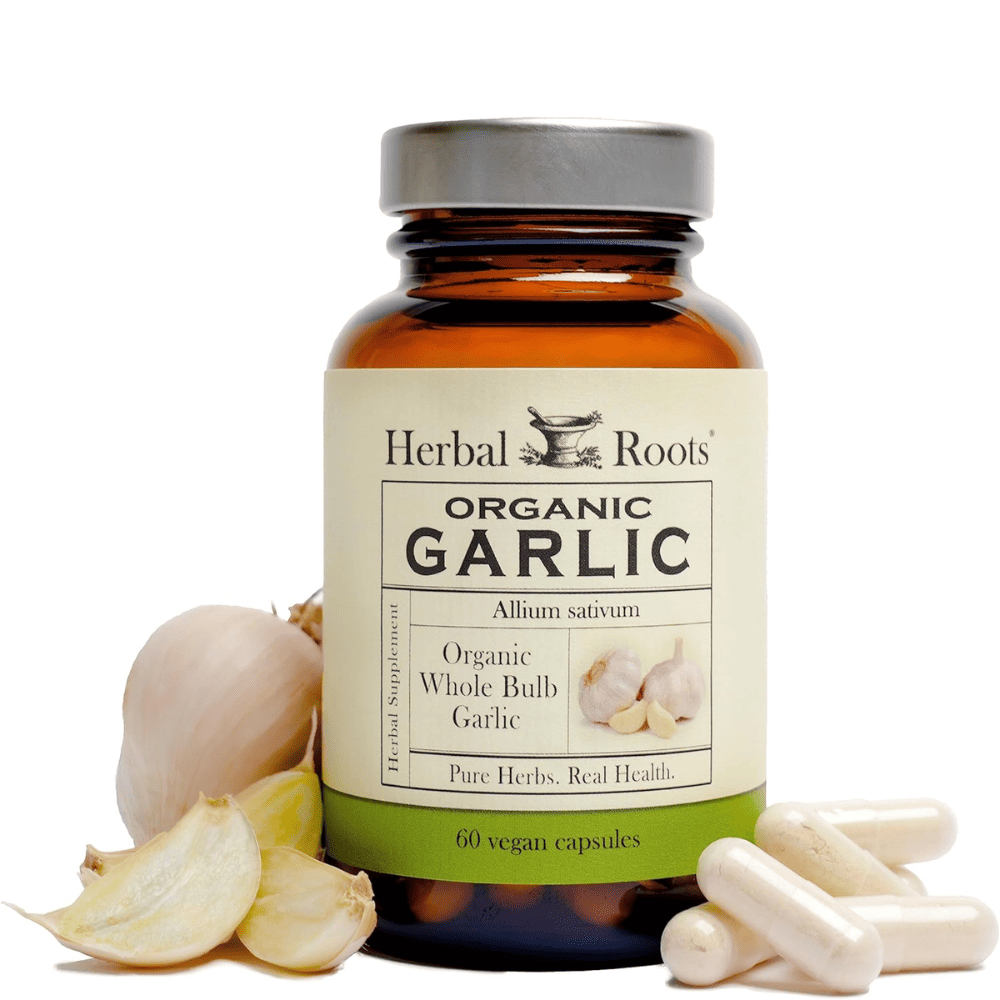
Organic Garlic Capsules
High-potency garlic capsules for broad-spectrum antimicrobial support.
$24Get the Free 30-Day Parasite Cleanse Plan
Evidence-based protocols, supplement schedules, and dietary guidance delivered to your inbox.