Can Beer Cause Yeast Infections? What Science Says
Medical Disclaimer
This content is for informational purposes only and does not constitute medical advice. Consult a qualified healthcare provider before starting any treatment, supplement, or cleanse program. If you suspect a parasitic infection, seek professional medical diagnosis.
Most people enjoy a cold beer now and then. But for some people -- especially those struggling with frequent yeast infections or digestive issues -- a question might arise: can drinking beer actually contribute to yeast infections or Candida overgrowth? This article explores that question in depth, looking at what beer contains, how it affects your gut, and what you can do about it.
What Is a Yeast Infection?
Most people think of vaginal yeast infections when they hear the term, but yeast infections can actually happen in different parts of the body, including the mouth, skin, digestive tract, and even the bloodstream in severe cases.
The most common culprit is Candida albicans, a fungus that naturally lives in our bodies. Normally, it stays in check because it competes with beneficial bacteria. But when things get out of balance -- due to antibiotics, a poor diet, high sugar intake, stress, or a weakened immune system -- Candida can grow too much and cause problems.
Some common signs of Candida overgrowth include:
- Recurring yeast infections
- Brain fog
- Gas and bloating
- Sugar cravings
- White coating on the tongue
- Fatigue
- Skin rashes
How Beer Is Made and Why It Contains Yeast
Beer is made through a fermentation process that involves grains (like barley), hops, water, and yeast. The yeast feeds on the sugars in the grains and produces alcohol and carbon dioxide. Most beers are filtered to remove leftover yeast, but not all of it gets taken out. Some beers, especially craft or unfiltered varieties like hefeweizens and certain IPAs, may contain more residual yeast. Additionally, many beers contain leftover sugars or carbohydrates that didn't fully ferment, which can feed Candida in your gut.
How Beer May Contribute to Yeast Infections and Candida Overgrowth
Drinking beer might tip the balance in a few key ways:
- Sugar Content: Even though beer isn't super sweet, it still contains carbohydrates that break down into sugar. Candida loves sugar, and a diet high in sugar can fuel its growth.
- Alcohol Itself: Alcohol can weaken your immune system, irritate your gut lining, and disrupt the balance of bacteria in your digestive tract -- all factors that make it easier for Candida to thrive.
- Residual Yeast in Beer: Some beers contain leftover yeast from the brewing process. While not necessarily harmful in a healthy person, this could be an issue if you already have a yeast imbalance.
- Gut Disruption: Regular alcohol consumption can lead to something called "leaky gut," where the lining of the intestines becomes more permeable. This can allow toxins and yeast to enter the bloodstream, leading to inflammation and further Candida problems.
Key Takeaway: While beer isn't the only cause of yeast infections, it can contribute to the problem -- especially if you drink it often and already have an imbalanced gut. People with existing Candida symptoms are most vulnerable.
Are Beer Drinkers More Prone to Yeast Infections?
There haven't been many scientific studies directly linking beer drinking to yeast infections. However, many holistic and functional medicine practitioners have noticed a pattern: people with chronic yeast problems or Candida overgrowth often feel worse after drinking beer or eating high-carb foods. This doesn't mean everyone who drinks beer will get a yeast infection. But if you already have symptoms of Candida overgrowth, or if your gut health is compromised, beer could be making things worse.
How to Know If You Have Candida Overgrowth
Candida overgrowth doesn't always show up as a vaginal or skin infection. It can hide in the gut and cause more general symptoms like:
- Bloating after meals
- Intense sugar or carb cravings
- Fatigue that doesn't go away with rest
- Trouble focusing or brain fog
- White film on the tongue (especially in the morning)
- Mood swings or irritability
Some people notice they feel worse after eating sugar, drinking alcohol, or having bread and beer. That's often a sign that Candida might be involved.
RELATED READ: The Main Symptoms of Parasitic Infection: How to Spot and Treat Them
Beer, Candida, and Your Gut Microbiome
Your gut is home to trillions of bacteria and fungi that make up what's known as your microbiome. When your microbiome is healthy, the good bacteria keep harmful microbes like Candida in check. But when it's out of balance -- a condition called dysbiosis -- Candida can grow too much and take over.
Beer can disrupt your microbiome in several ways. The alcohol can damage beneficial bacteria, and the sugar and yeast can feed Candida. This can create a cycle where the more you drink, the worse your gut health becomes. Some people also deal with both Candida and parasites, which can worsen gut issues even further.
What to Do If You Suspect Candida or Yeast Issues
If you think beer might be feeding a yeast problem in your body, here are some steps you can take:
- Try cutting out beer and sugar for 30-60 days. This gives your body a chance to reset and see if your symptoms improve.
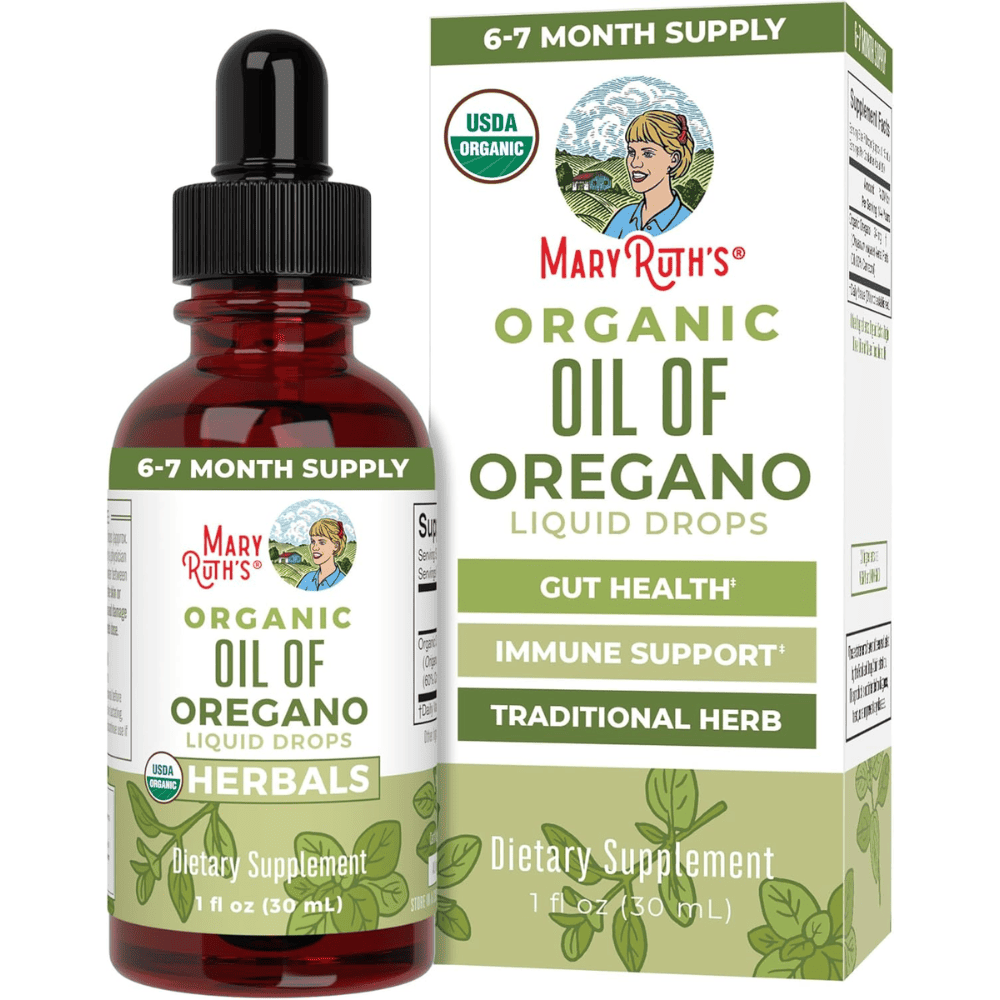
- Support your body with antifungal foods like garlic, coconut oil, oregano, and ginger, which have natural properties that help keep Candida in check.
- Add probiotics and digestive enzymes to rebalance your microbiome and improve digestion. Look for strains like Lactobacillus acidophilus and Saccharomyces boulardii.
- Consider a guided Candida or parasite cleanse if symptoms persist. These protocols combine antifungal herbs, detox support, and dietary changes to reset your gut.
Healthier Alcohol Alternatives
If you still want to enjoy a drink now and then but avoid feeding Candida, there are some better choices. Dry red wine tends to be lower in sugar than beer and may even have some antioxidant benefits. Vodka with soda water and lemon is another option that's lower in carbs. Some people find they can tolerate these alternatives better than beer, especially during a Candida cleanse.
RELATED READ: The Anti-Candida Diet: 12 Proven Candida Killers That Restore Gut Health Naturally
When to See a Health Professional
If you have frequent yeast infections, digestive issues, or fatigue that doesn't go away, it might be time to talk to a health professional. Functional medicine doctors or naturopaths can order tests like stool analysis or organic acid tests to check for Candida overgrowth. They can also help you design a personalized plan to restore your gut health, support your immune system, and reduce fungal and parasitic infections naturally.
Frequently Asked Questions
Does beer contain yeast? Yes, beer is made using yeast, and some types (especially unfiltered ones) still contain active or dead yeast cells.
Can beer feed Candida? Yes. Beer contains sugars and sometimes residual yeast, both of which can contribute to Candida overgrowth, especially in people with imbalanced gut flora.
Is all alcohol bad for Candida? Not necessarily. Dry wines or clear spirits like vodka have less sugar and may be tolerated better in moderation.
Can Candida overgrowth be reversed? Yes, with the right diet, supplements, and gut support, many people reverse Candida and feel significantly better within weeks.
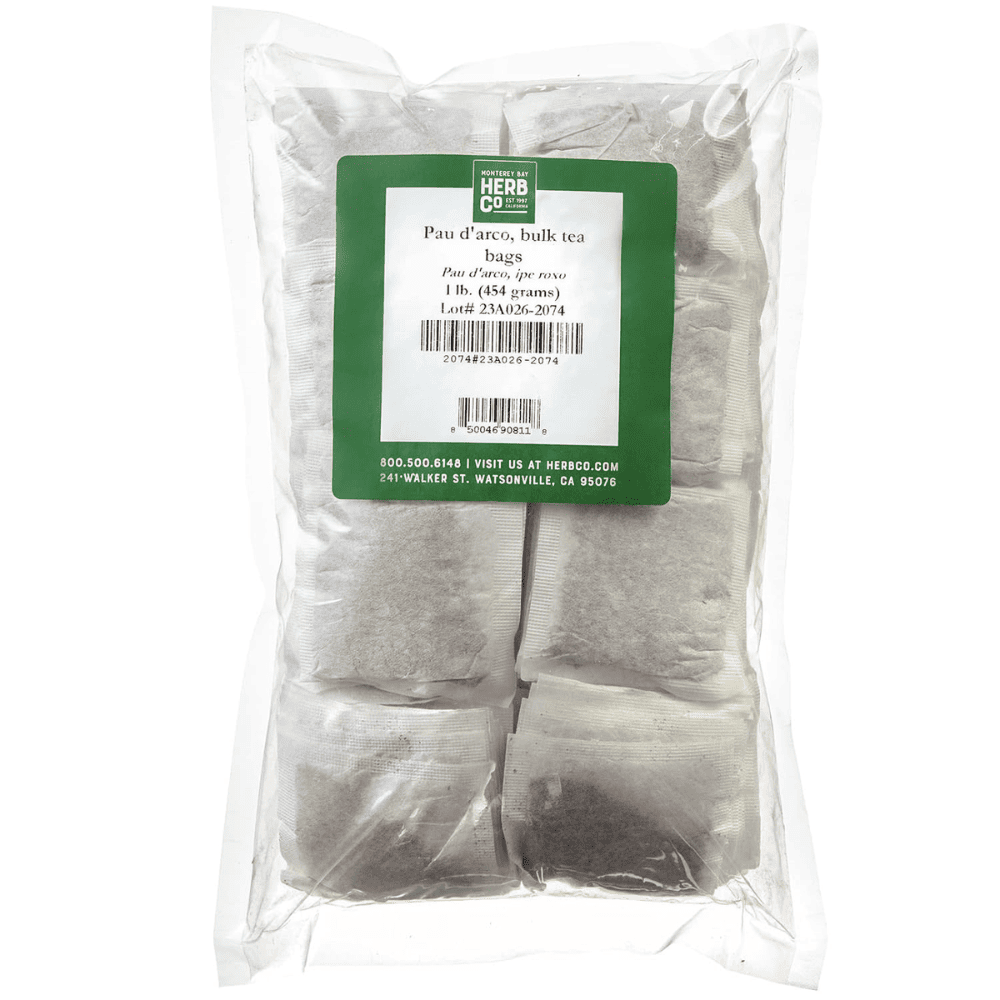
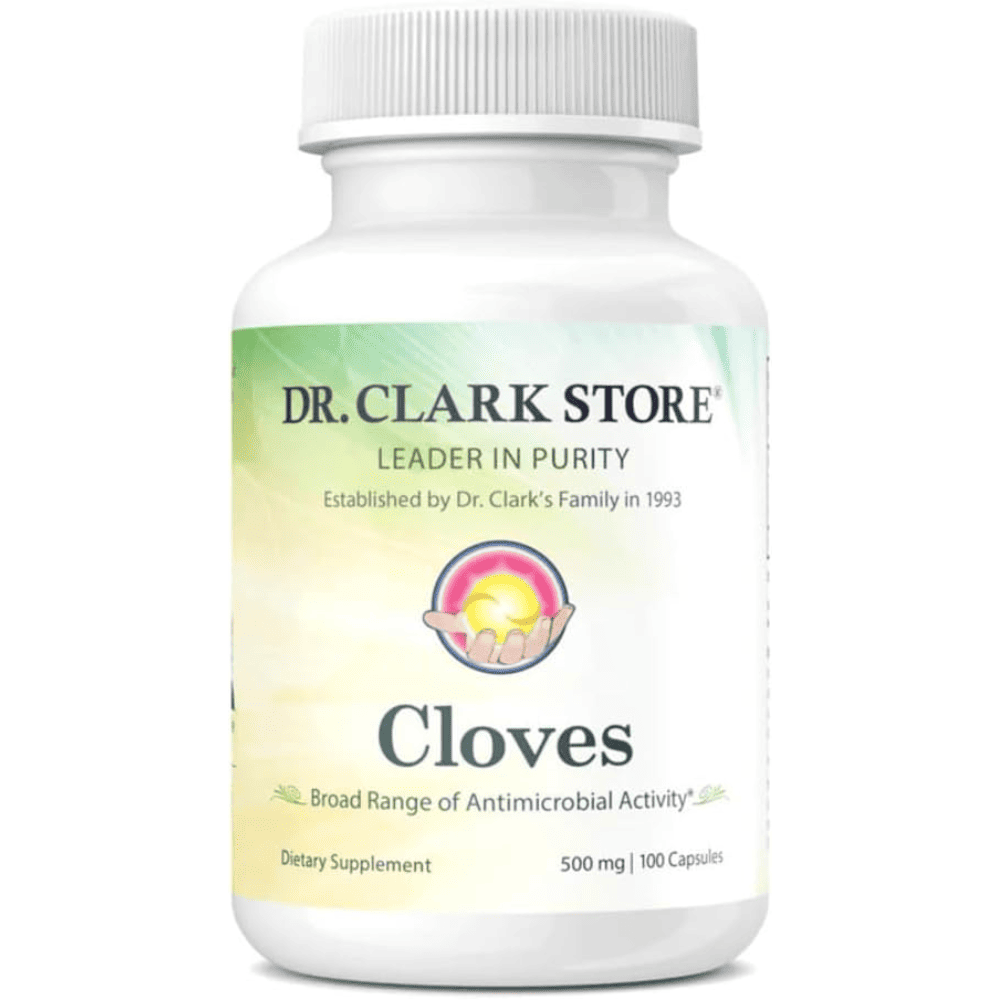
Recommended Products
As an Amazon Associate and affiliate partner, we earn from qualifying purchases. Product recommendations are based on research and editorial judgment, not compensation.
Get the Free 30-Day Parasite Cleanse Plan
Evidence-based protocols, supplement schedules, and dietary guidance delivered to your inbox.